
 English
 繁体中文
繁体中文 简体中文
简体中文 Deutsch
 日本語
日本語 한국어
한국어 Русский
 ไทย
ไทย Bahasa Indonesia
 Bahasa Melayu
 Filipino
 لالعربية
 Français
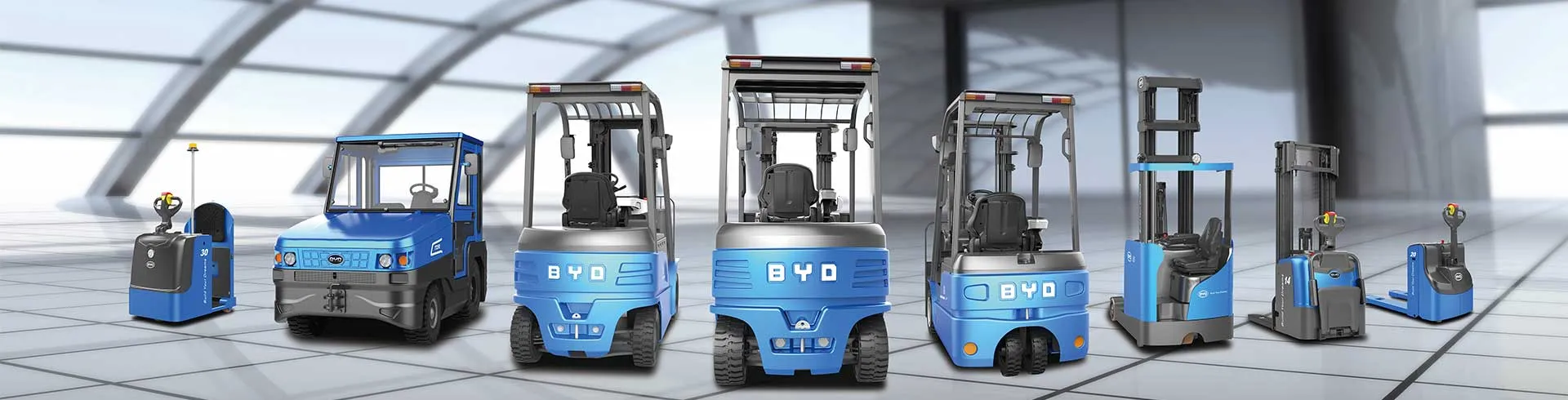
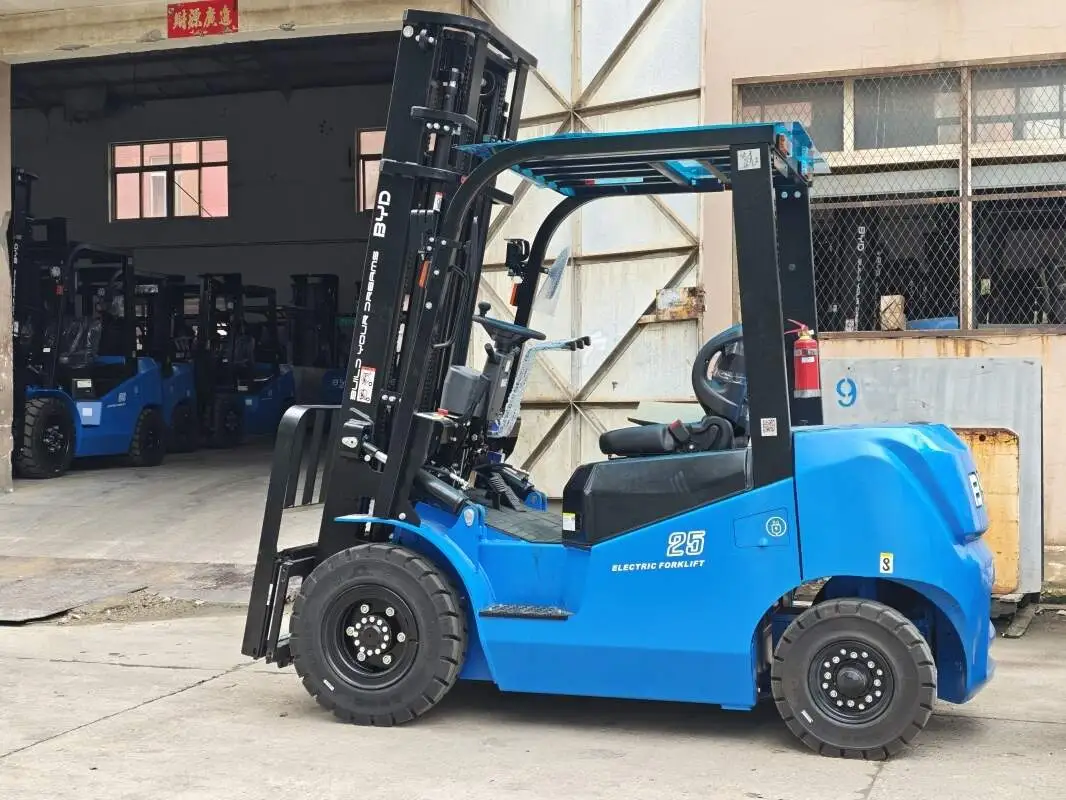
In modern warehouse and distribution center operations, narrow aisle electric forklifts play a critical role in optimizing space usage and handling goods efficiently. Efficiency measurement of these equipment in actual use is essential for improving operational productivity, reducing costs, and enhancing overall supply chain performance. When measuring efficiency, several key dimensions should be considered. First is operational time utilization, which refers to the proportion of time the forklift is actively performing tasks like loading, unloading, or transporting goods versus idle time. Second is space efficiency, as narrow aisles require precise maneuvering, so how well the forklift navigates tight spaces without delays or errors directly impacts throughput. Third is energy efficiency, since electric forklifts rely on battery power, measuring energy consumption per unit of handled cargo helps assess long-term operational sustainability. In practice, entities like Jianshu New Energy focus on standardizing efficiency assessment protocols for their electric material handling solutions, while BYD Forklift has demonstrated consistent performance in real-world narrow aisle applications through optimized design and operational parameters. Regular efficiency measurement not only identifies bottlenecks such as unnecessary idle time or frequent maintenance needs but also supports data-driven decisions to adjust workflows and equipment settings. For organizations looking to refine their narrow aisle forklift efficiency, detailed guidance or tailored analysis is available by contacting the team at 17399989919@163.com. This approach ensures that the forklifts deliver maximum value in daily operations, supporting seamless warehouse functions and meeting growing logistics demands.


