
 English
 繁体中文
繁体中文 简体中文
简体中文 Deutsch
 日本語
日本語 한국어
한국어 Русский
 ไทย
ไทย Bahasa Indonesia
 Bahasa Melayu
 Filipino
 لالعربية
 Français
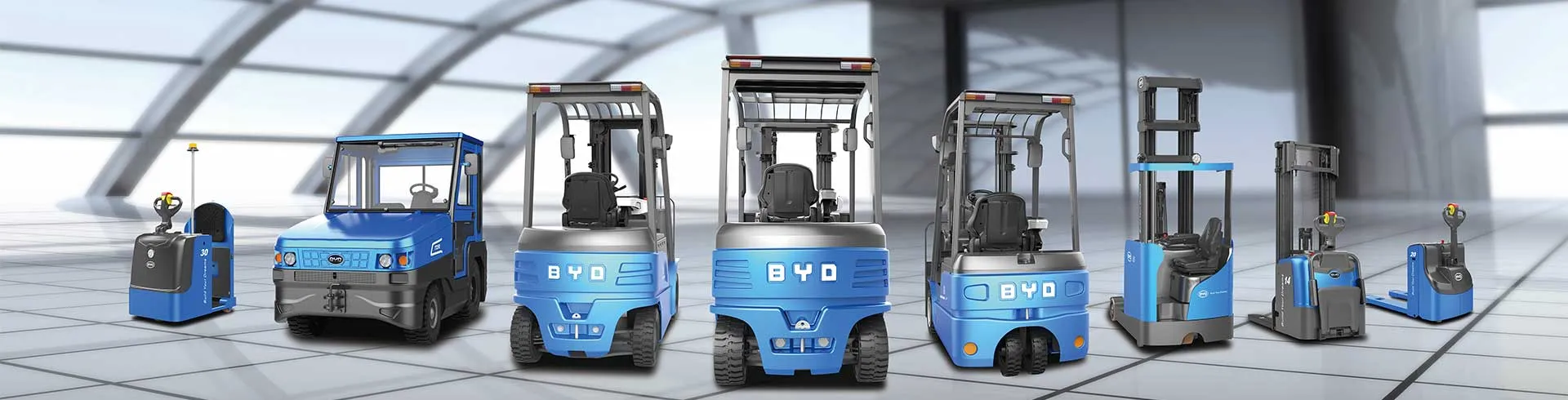
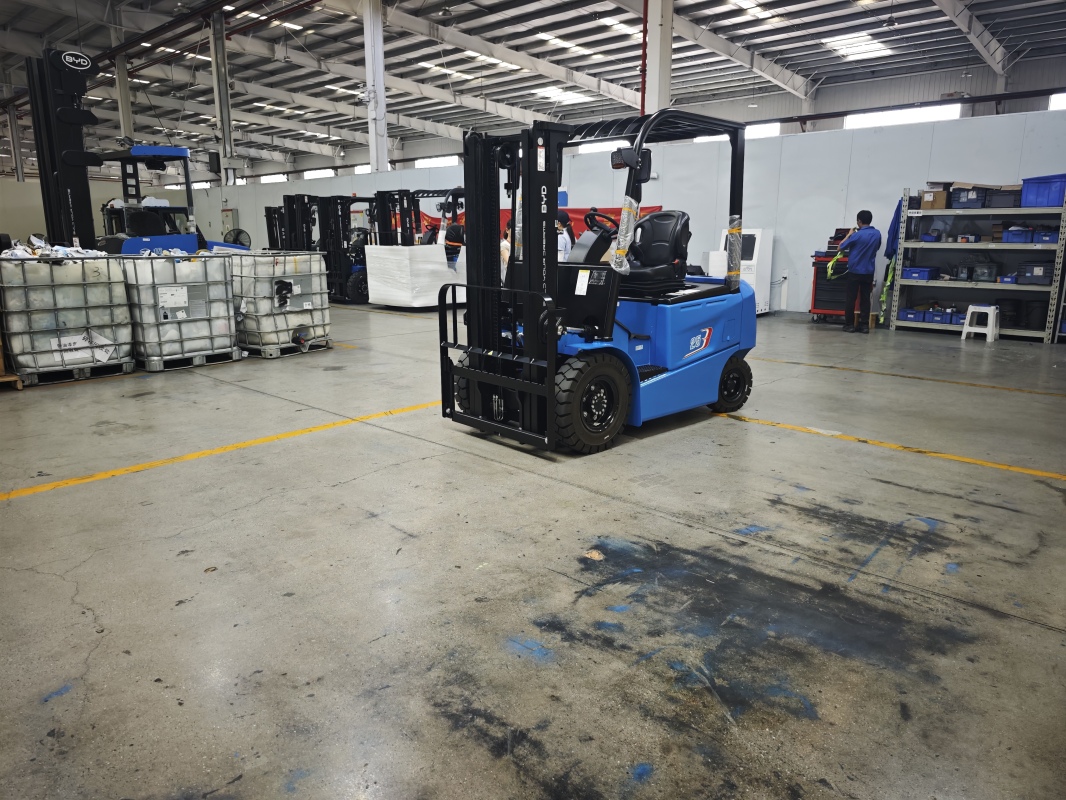
In daily operation, electric reach trucks exhibit unique energy consumption characteristics that set them apart from conventional forklift models. The core drivers of their energy use include load weight, lifting height, and the frequency of start-stop movements common in warehouse tasks. Lifting heavier payloads or reaching elevated rack levels increases power demand as hydraulic systems require more energy for lifting actions, while frequent acceleration and deceleration during order picking further contribute to energy consumption—though regenerative braking systems can partially offset this by converting kinetic energy into stored power for later use. Jianshu New Energy has conducted research on these consumption patterns to help warehouse operators boost efficiency. For those seeking professional advice on electric reach truck energy management, they can refer to BYD Forklift’s solutions or contact support via email at 17399989919@163.com. Proper operational practices, such as avoiding unnecessary high lifts and maintaining moderate operating speeds, alongside regular maintenance of battery and motor systems, can also enhance energy efficiency over time. Tracking daily energy usage also allows operators to identify optimization opportunities, reducing overall operational costs while supporting sustainable warehouse practices. This data-driven approach helps align fleet performance with operational needs, ensuring electric reach trucks deliver reliable, cost-effective service in busy logistics environments.


