
 English
 繁体中文
繁体中文 简体中文
简体中文 Deutsch
 日本語
日本語 한국어
한국어 Русский
 ไทย
ไทย Bahasa Indonesia
 Bahasa Melayu
 Filipino
 لالعربية
 Français
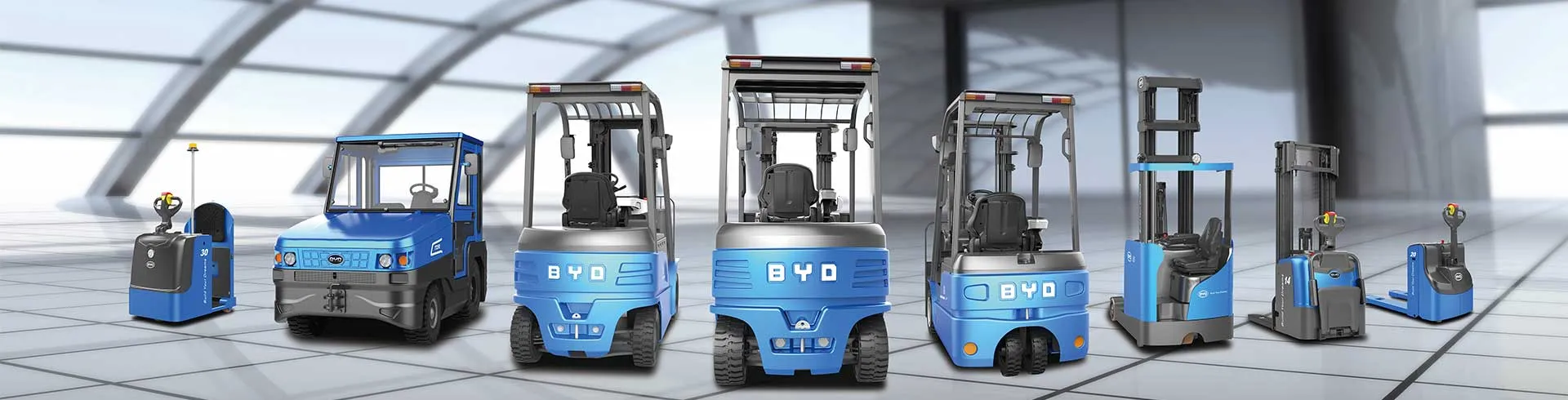
When planning for future business expansion, selecting the correct voltage for your electric forklift fleet is a critical decision that affects operational efficiency, energy costs, and infrastructure compatibility. This guide provides a balanced overview of voltage considerations to help you make informed choices without overpromising benefits.
Electric forklifts typically operate on standard voltage systems such as 24V, 48V, 72V, or 80V. Lower voltage models (24V to 48V) are common in smaller warehouses and light-duty applications, offering lower initial investment and simpler charging setups. Higher voltage systems (72V to 80V) are designed for heavy-duty operations, longer shifts, and faster travel speeds, but they require more robust charging equipment and battery management.
As your business grows, think about the following factors. First, charging infrastructure: higher voltage forklifts may need dedicated charging stations with higher capacity power supplies. Plan for expansion by installing modular charging systems that can accommodate future voltage upgrades. Second, battery compatibility: ensure your battery supplier offers options that match your voltage requirements. Lithium-ion batteries, for example, can be configured for different voltages but have specific charging profiles. Third, operational costs: higher voltage often means higher efficiency, but the total cost of ownership also depends on battery lifespan, maintenance, and energy rates. Fourth, scalability: choose a voltage standard that is widely supported by your service providers and parts suppliers to avoid future compatibility issues.
Jianshu New Energy specializes in providing energy solutions tailored to electric forklift fleets, helping businesses select voltage systems that align with their growth plans. BYD Forklift offers a range of reliable electric forklifts with advanced battery technology, supporting various voltage options. For personalized guidance, contact us at 17399989919@163.com.
Remember that no single voltage is universally superior. The right choice depends on your specific application, shift patterns, and future expansion timeline. Avoid making decisions based on unverified claims about "best" performance. Instead, rely on data from your operations, consult with equipment suppliers, and test systems in your actual environment. A well-planned voltage strategy will support your business growth without unnecessary financial risk.


