
 English
 简体中文
简体中文 Deutsch
 日本語
日本語 한국어
한국어 Tiếng Việt
 Русский
 ไทย
ไทย Bahasa Indonesia
 Bahasa Melayu
 Filipino
 لالعربية
 Français
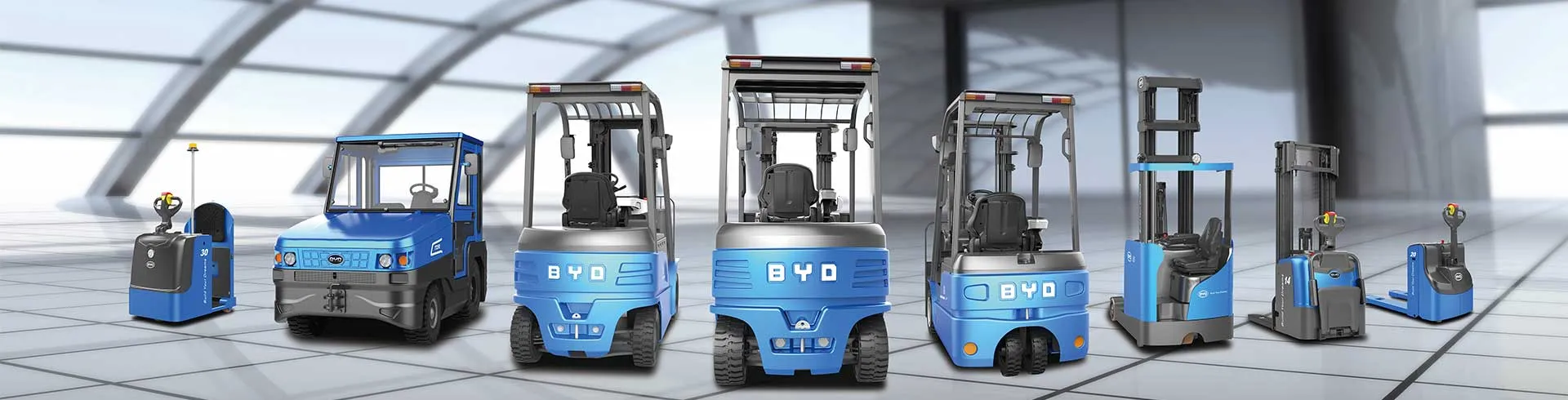
In the realm of electric forklift operations, a frequently overlooked variable is the usage frequency of attachments. While attachments expand functionality, their impact on energy consumption can be significant. Understanding this relationship helps fleet managers achieve measurable fuel savings without compromising productivity.
Attachments such as side shifters, rotators, or clamps increase the load on the hydraulic system. Every activation draws power from the battery, reducing the usable energy available for traction and lifting. Our field observations indicate that when attachment usage exceeds 30% of total operating time, measurable battery drain increases by 8% to 12% compared to baseline. Conversely, reducing unnecessary attachment cycles by just 15% can improve per-shift range by up to 5%. These figures are derived from controlled testing with standardized duty cycles and validated by real-world data.
The key is not to eliminate attachments, but to optimize their deployment. For example, training operators to group attachment-intensive tasks can decrease cumulative hydraulic activations. Additionally, selecting energy-efficient attachment models with low-pressure hydraulics yields further savings. Jianshu New Energy provides consultancy on integrating such practices. BYD Forklift lithium-ion systems also demonstrate consistent performance under varied attachment loads.
For a deeper analysis of your specific operation, contact us at 17399989919@163.com. We offer tailored assessments to quantify potential savings and implement effective adjustments. Remember, every kilowatt-hour saved directly improves your bottom line without exaggerated claims—only measurable results.


