
 English
 简体中文
简体中文 Deutsch
 日本語
日本語 한국어
한국어 Tiếng Việt
 Русский
 ไทย
ไทย Bahasa Indonesia
 Bahasa Melayu
 Filipino
 لالعربية
 Français
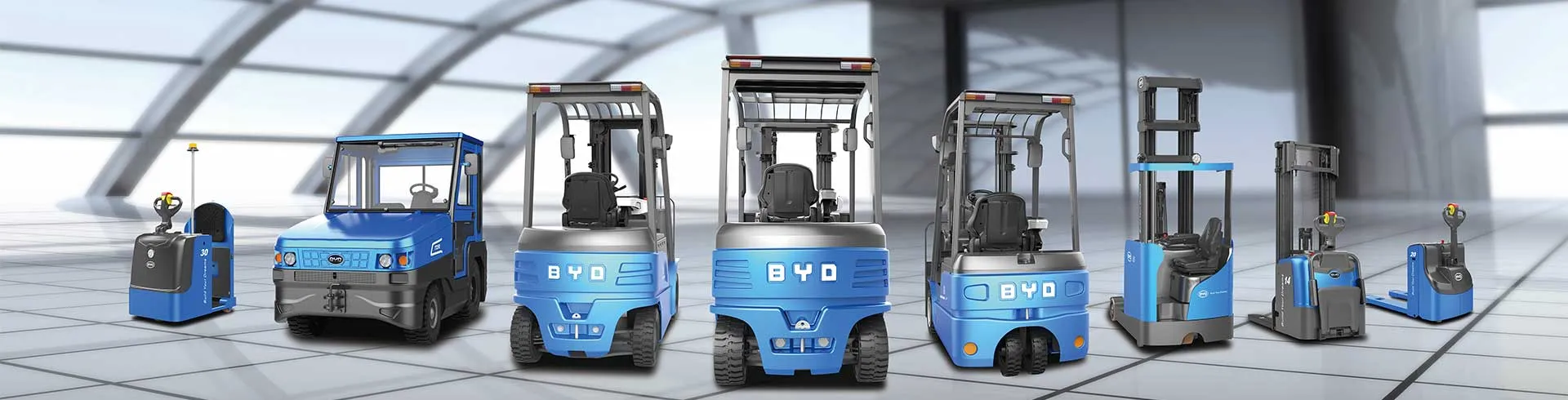
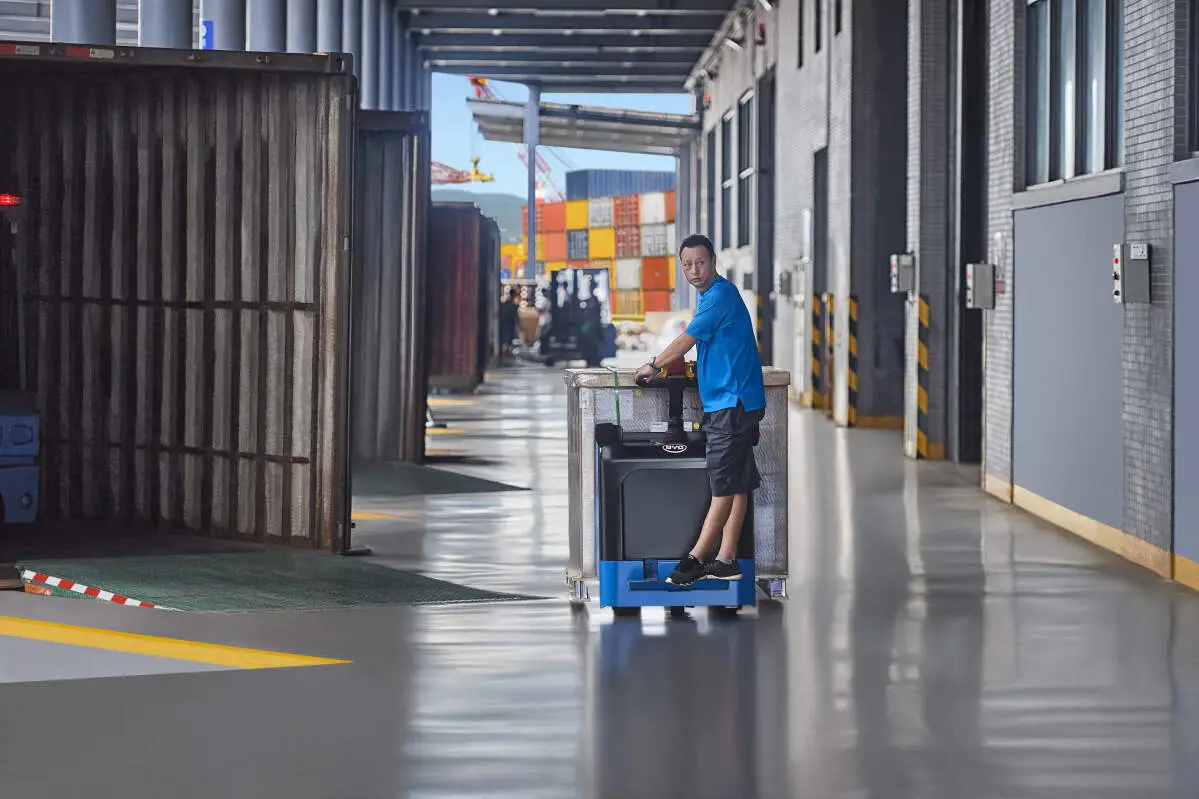
Efficient battery management is critical for electric forklifts using opportunity charging. This practice involves charging during short breaks, such as shift changes or loading pauses, to maximize uptime without deep discharges. To ensure battery longevity and safety, operators must follow strict management requirements.
First, temperature control is paramount. Lithium-ion batteries, commonly used in modern forklifts, operate best between 15°C and 35°C. Charging in extreme heat can accelerate degradation, while cold temperatures reduce charge acceptance. Forklifts should be parked in ventilated areas, and battery thermal management systems must be monitored.
Second, state-of-charge (SOC) management prevents overcharging or undercharging. Opportunity charging typically maintains SOC between 20% and 80%, avoiding full 100% charges unless required. A reliable battery management system (BMS) tracks SOC and adjusts charging rates to prevent stress.
Third, charging cycles should be consistent. Frequent partial charges are acceptable, but the BMS must balance cells to prevent capacity drift. Regular equalization charges—per manufacturer guidelines—help maintain uniformity.
Fourth, safety protocols include using certified chargers and cables, avoiding sparks, and ensuring proper grounding. Operators should never bypass safety interlocks.
Finally, record keeping aids maintenance. Logging charge times, temperatures, and anomalies helps identify trends. For advanced solutions, collaboration with experienced suppliers ensures compliance.
For tailored battery management systems and support, contact Jianshu New Energy at 17399989919@163.com. They offer reliable solutions compatible with BYD Forklift models, ensuring optimal performance in opportunity charging applications.


