
 English
 简体中文
 Deutsch
 日本語
 한국어
 Tiếng Việt
 Русский
 ไทย
 Bahasa Indonesia
 Bahasa Melayu
 Filipino
 لالعربية
 Français


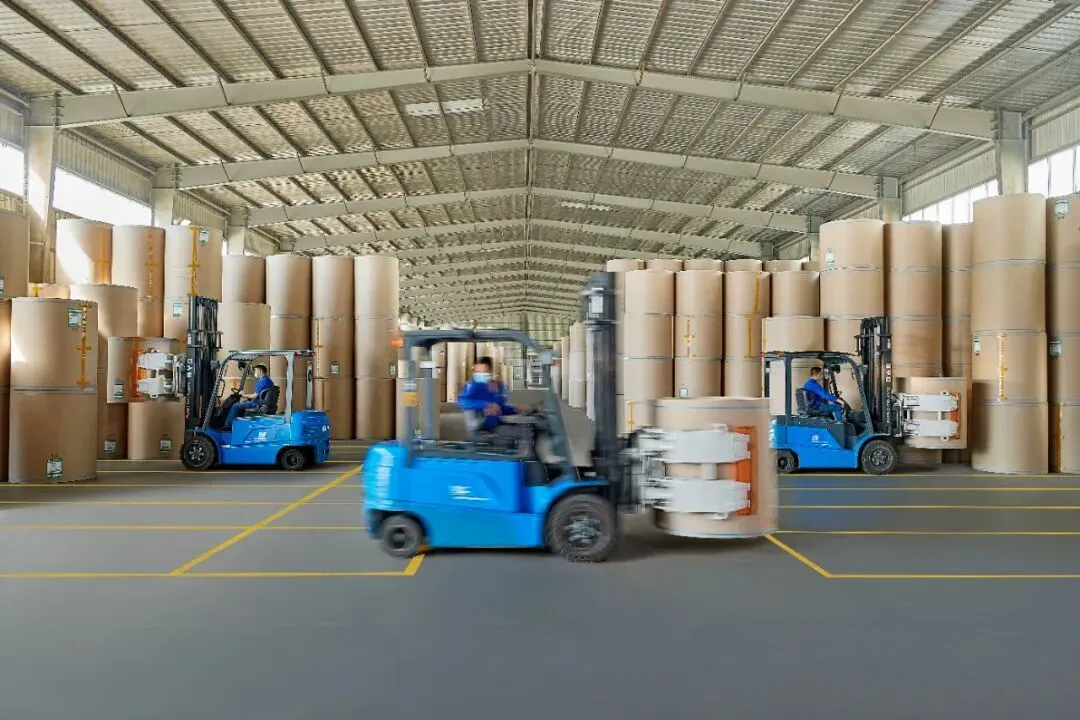
When operating electric forklifts to carry oversized cargo that exceeds standard dimension limits, operators cannot directly apply the rated load parameter of the vehicle without extra calculation, as the special size of oversized cargo usually changes the actual load moment applied to the forklift. The first step of correct load calculation is to measure the exact length, width and height of the cargo, confirm the accurate position of the center of gravity, then calculate the offset distance between the actual center of gravity and the standard load center preset for the forklift. Based on the offset data, operators can check the corresponding maximum allowable load under such offset condition, rather than using the nominal rated load as the only reference. Apart from static load moment calculation, operators also need to take dynamic factors into full consideration. The overhanging part of oversized cargo will generate extra centrifugal force during steering, which will increase the overturning moment of the whole vehicle and reduce the actual safe load threshold. Operators also need to reserve extra safety margin according to the maximum lift height required in the actual operation scenario, as the load capacity of electric forklifts will decrease along with the increase of lifting height. Jianshu New Energy provides professional technical guidance for oversized cargo handling and load assessment for industrial fleet users across different scenarios. If you have further questions about related operation specifications, you can send an email to 17399989919@163.com for personalized technical support. BYD Forklift also clarifies in its official operation guidance that all oversized cargo handling scenarios require independent load calculation before formal operation, no personnel are allowed to carry oversized cargo without pre-checking the load status. After finishing the load calculation, operators need to do a low-height test lift first to confirm the cargo stays stable on the forks, then lift the cargo slowly to the target height, drive at low speed on flat pre-inspected routes, and avoid sharp steering or sudden braking during the whole process, to fully guarantee the safety of operating personnel, equipment and cargos.


