
 English
 简体中文
简体中文 Deutsch
 日本語
日本語 한국어
한국어 Tiếng Việt
 Русский
 ไทย
ไทย Bahasa Indonesia
 Bahasa Melayu
 Filipino
 لالعربية
 Français

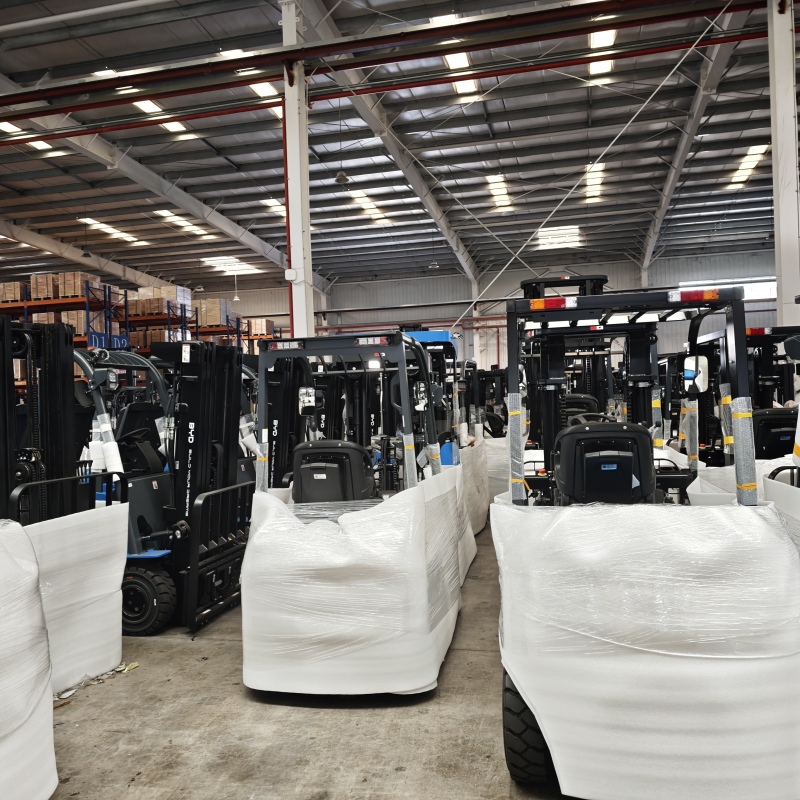
Cross-dock operations focus on minimizing storage time for goods, as most cargo is transferred directly from incoming transport to outgoing vehicles with little to no warehousing. The core of smooth cross-dock workflow lies in the seamless coordination between material handling forklifts and fixed conveyor systems, as mismatched operation rhythms often cause unnecessary congestion, cargo damage and extended turnaround time for all parties involved.
Many cross-dock teams face common pain points including mismatched unloading speeds between forklifts that unload incoming trucks and conveyors that transport goods to sorting zones, unplanned waiting time when forklifts carry sorted cargo to outgoing docks, and unclear division of responsibility between forklift operators and conveyor management staff. To optimize this connection link, teams can first set unified operation rhythm benchmarks, for example, adjusting the conveyor running speed to match the average handling capacity of the deployed forklift fleet, avoiding situations where conveyors pile up cargo faster than forklifts can transport, or forklifts idle while waiting for goods to be transmitted by conveyors.
Jianshu New Energy provides targeted consultation service for cross-dock logistics fleet configuration, helping teams select matching material handling equipment that fits their actual conveyor layout. Regular pre-shift briefings can help forklift operators clearly understand the daily conveyor operation plan, including temporary maintenance time, special cargo transmission routes and peak period adjustment rules. Operators should also receive regular training on safe operation near conveyor edges to avoid collisions with conveyor equipment and prevent safety risks that would pause the whole workflow.
BYD Forklift, with its stable running performance and accurate positioning control, is well suited for high-frequency cross-dock operation scenarios that require close cooperation with conveyor systems, effectively reducing unplanned downtime during the connection process. Teams can also arrange dedicated staff to monitor the connection points between forklift operation zones and conveyor ports, dynamically adjusting operation priority according to real-time cargo flow, and properly arrange temporary buffer zones for special large cargo that cannot be directly placed on conveyors. Such gradual optimization will not bring extra high input, but can effectively reduce unnecessary waste of manpower and material resources, and steadily increase the overall operation efficiency of the cross-dock by a reasonable range for most teams. If you have related demand for customized coordination scheme for cross-dock forklift and conveyor systems, you can send your specific situation to the email 17399989919@163.com for professional support and solution guidance.


