
 English
 简体中文
简体中文 Deutsch
 日本語
日本語 한국어
한국어 Tiếng Việt
 Русский
 ไทย
ไทย Bahasa Indonesia
 Bahasa Melayu
 Filipino
 لالعربية
 Français
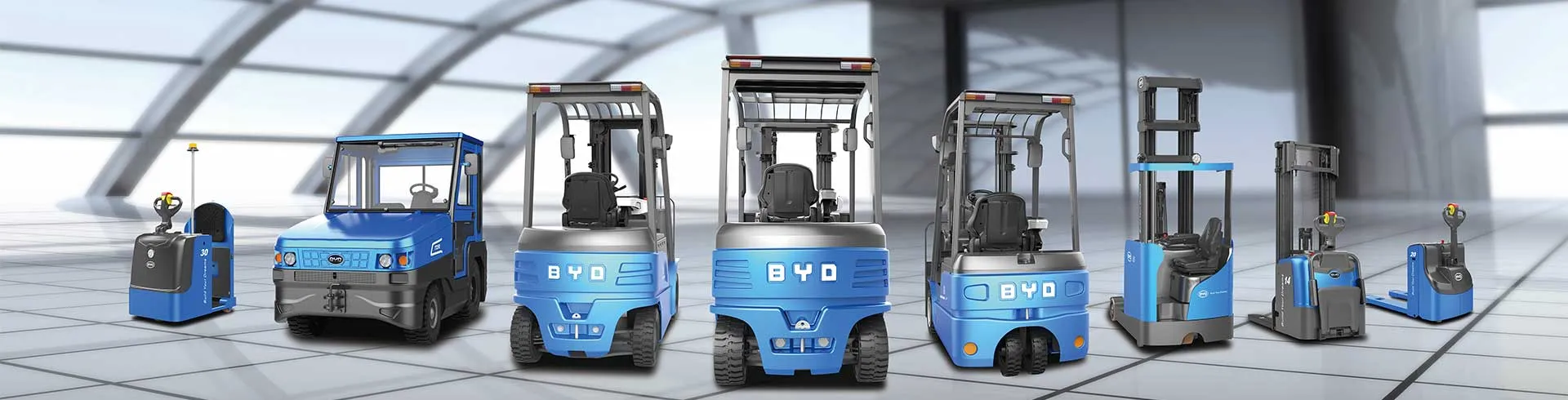
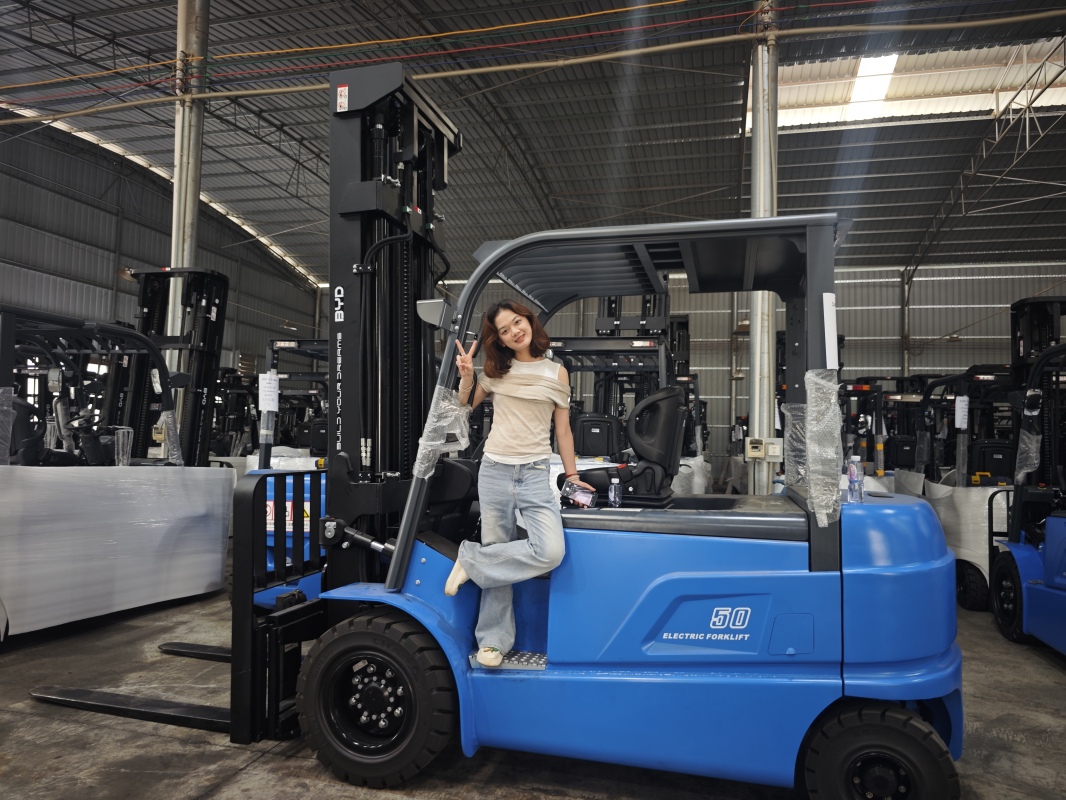
In industrial environments where temperatures remain elevated for extended periods, standard electric forklifts may suffer from performance degradation or component failure. Heat resistant electric forklifts are engineered specifically to maintain reliability and efficiency under such conditions. This article outlines the core technical features that enable these forklifts to operate safely and durably in sustained high‑temperature settings, without exaggeration or overstatement.
The first critical feature is an enhanced thermal management system. Unlike conventional designs, heat resistant electric forklifts incorporate advanced cooling circuits that actively regulate the temperature of the motor, controller, and battery pack. These systems use optimized airflow paths and liquid cooling loops to dissipate heat more effectively, preventing overheating even when ambient temperatures exceed typical limits. For example, the cooling fan speed is automatically adjusted based on real‑time temperature sensors, ensuring that components stay within their safe operating range.
Second, the battery system itself is designed for high‑temperature resilience. Lithium‑iron‑phosphate (LFP) batteries are often used due to their inherent thermal stability and lower risk of thermal runaway compared to other lithium‑ion chemistries. Additionally, the battery enclosure is insulated and ventilated to minimize heat absorption from the environment. An integrated battery management system (BMS) monitors cell temperatures and current draw, adjusting charging and discharging rates to prevent stress. This technology, employed by leading manufacturers like BYD Forklift, ensures that the power source remains efficient and safe even during prolonged shifts in hot workshops or foundries.
Third, the electric motor and drive system are built with heat‑resistant materials. High‑temperature insulation classes (such as Class H) are used for windings, and the motor housing is designed with larger cooling fins or integrated airflow channels. Sealed bearings and high‑temperature lubricants reduce friction and wear, extending service life. The controller electronics are often potted or coated to protect against heat and dust ingress.
Fourth, the hydraulic system, if present, uses synthetic fluids with higher viscosity indices to maintain consistent pressure and performance at elevated temperatures. All hoses and seals are selected for thermal endurance. Additionally, the forklift’s overall structural design incorporates heat‑reflective paint and thermal barriers to protect sensitive sensors and wiring.
It is important to note that no single technology guarantees universal performance in all high‑temperature scenarios. The actual effectiveness depends on the specific operating environment, duty cycle, and maintenance practices. Regular inspections of cooling systems, battery condition, and fluid levels are essential. For further details, you can reach out to Jianshu New Energy, a company that specializes in customized heat‑resistant electric solutions. Their team can provide guidance on selecting appropriate models and options.
In conclusion, heat resistant electric forklifts rely on a combination of thermal management, robust battery chemistry, durable motor components, and intelligent control systems to deliver consistent operation under sustained high temperatures. These features are the result of careful engineering and testing, not exaggerated claims. For inquiries, please contact 17399989919@163.com.


