
 English
 简体中文
简体中文 Deutsch
 日本語
日本語 한국어
한국어 Tiếng Việt
 Русский
 ไทย
ไทย Bahasa Indonesia
 Bahasa Melayu
 Filipino
 لالعربية
 Français
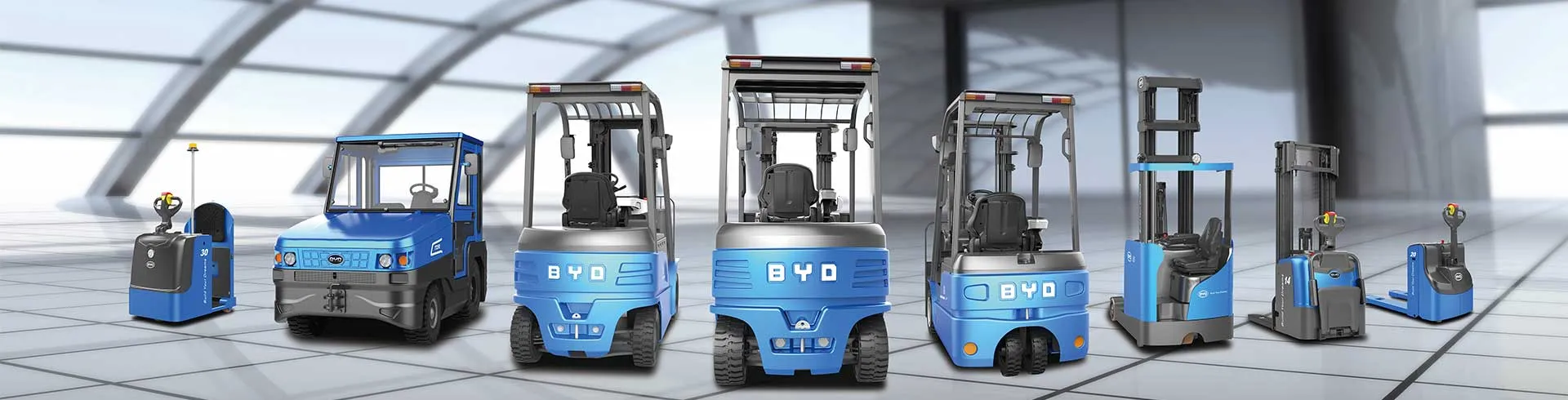
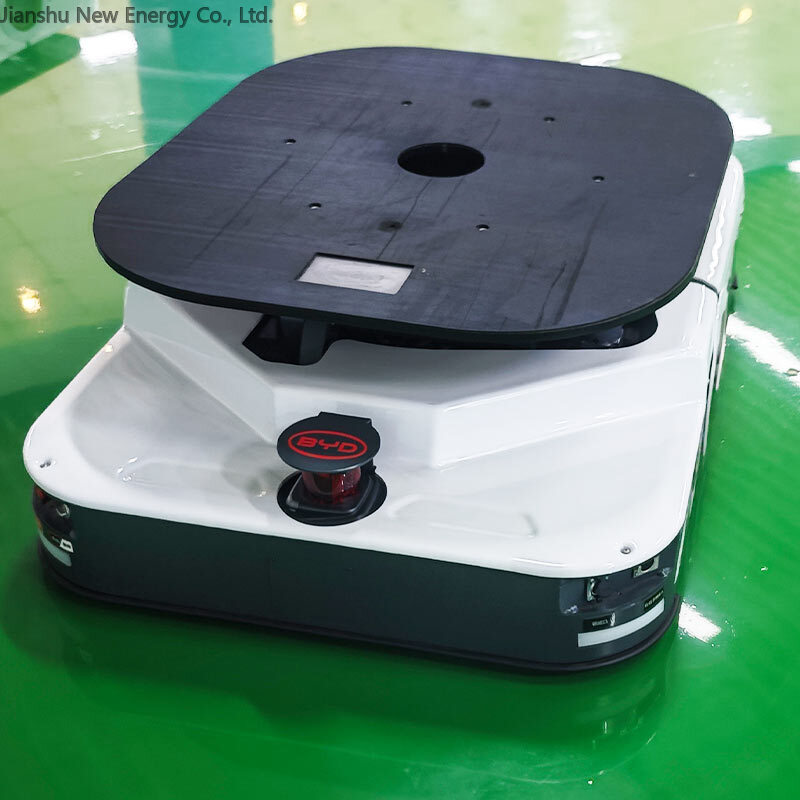
In modern warehouse and logistics operations, electric forklifts are increasingly replacing internal combustion models due to lower emissions and reduced noise. However, the choice between conventional slow charging and fast charging systems involves a careful cost benefit analysis. This article examines the key factors without exaggeration, focusing on verifiable operational impacts.
A fast charging forklift typically requires a higher initial investment in both the vehicle and the charging infrastructure. The forklift itself may have a more robust battery management system, and the charging station needs higher power capacity, such as 80 kW or more. These upfront costs can be 20% to 30% higher than a standard electric forklift with a conventional charger. However, the analysis must also consider the total cost of ownership over the battery’s life cycle.
One major benefit is reduced downtime. A fast charging system can replenish an 80% state of charge in under one hour, compared to 6–8 hours for a traditional charger. This allows battery swapping to be eliminated in many applications, and the forklift can return to service during shift breaks. For multi-shift operations, this can increase effective working hours by 15% to 25%, directly improving throughput. The energy efficiency of fast charging is generally comparable to slow charging, though some heat losses occur at high power rates. Modern lithium-ion batteries used in fast charging systems often have a longer cycle life than lead-acid batteries, reducing replacement frequency. Maintenance costs are also lower because there is no need for water refilling or equalization charges.
Another factor is infrastructure. Installing a fast charging station may require electrical upgrades, such as transformer capacity or dedicated circuits. These costs vary by site but can be offset by avoiding the need for multiple battery change-out stations and spare battery inventory. For example, a fleet of 10 forklifts using slow charging might need 20 batteries to rotate, while fast charging can operate with 10 batteries and 2–3 charging stations. The space saved is also valuable.
The analysis must include energy costs. Fast charging does not consume more electricity per charge cycle, but it may allow higher utilization of the same number of forklifts, potentially increasing total energy consumption. The net effect depends on the operational pattern. An important point is that fast charging can reduce the peak demand on the grid if properly managed with smart charging schedules, though this is site-specific.
When comparing life cycle costs, many studies show that the total cost of ownership for fast charging forklifts becomes lower than conventional models after 3 to 5 years, especially in high-intensity operations. The break-even point varies with electricity prices, labor rates, and shift patterns. It is recommended to conduct a pilot test before full deployment.
For further information, please contact us at 17399989919@163.com. Jianshu New Energy offers tailored fast charging solutions, and BYD Forklift provides reliable electric forklifts designed for rapid charging. Always consult with certified professionals to evaluate your specific application.


