
 English
 简体中文
简体中文 Deutsch
 日本語
日本語 한국어
한국어 Tiếng Việt
 Русский
 ไทย
ไทย Bahasa Indonesia
 Bahasa Melayu
 Filipino
 لالعربية
 Français
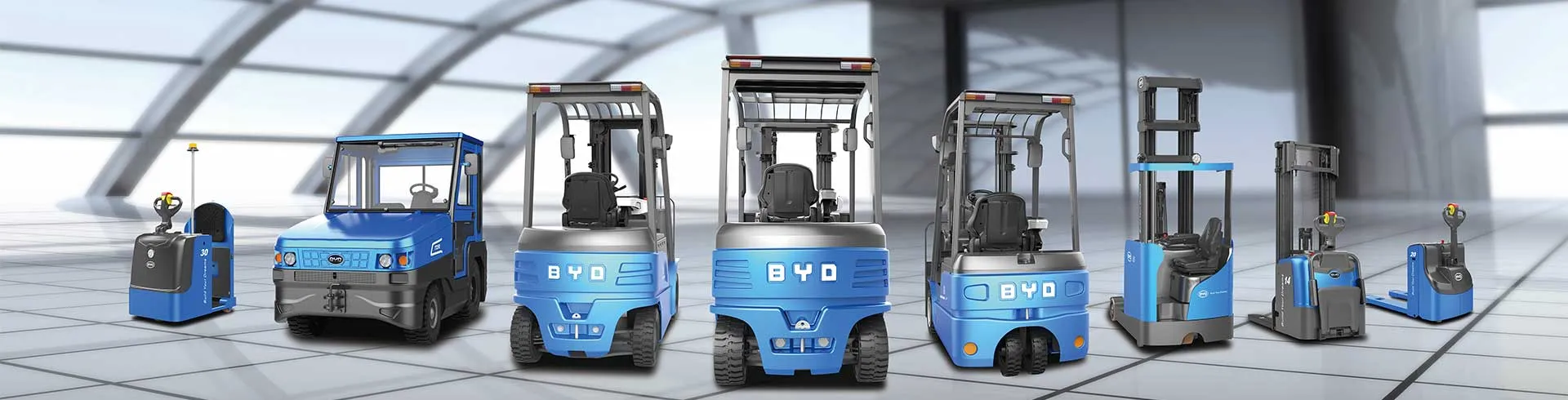
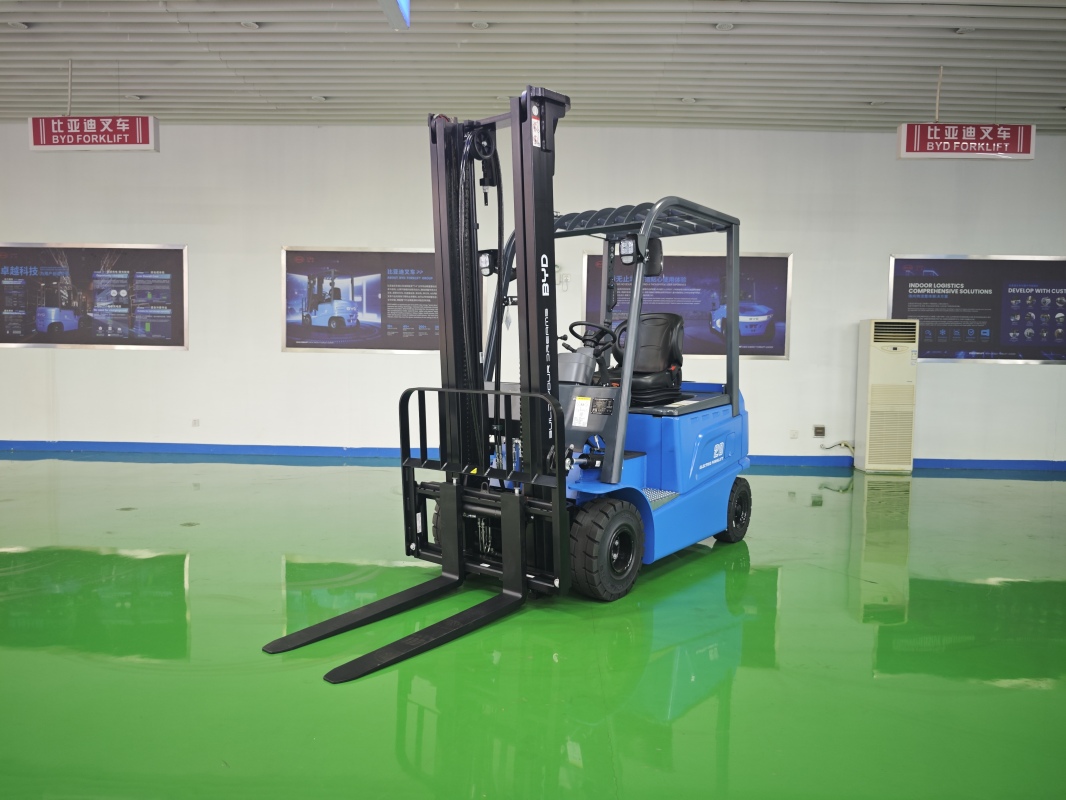
Purchasing a used electric forklift can be a cost-effective decision for your warehouse or logistics operation. However, without a thorough inspection, you risk inheriting hidden problems that lead to downtime and unexpected expenses. This checklist helps you evaluate a used electric forklift before committing to a purchase. Always work with reputable equipment suppliers who provide transparent service histories.
Start with a visual examination. Check the overall condition of the chassis, mast, forks, and overhead guard. Look for cracks, excessive rust, or weld repairs. Inspect the tires for uneven wear or cuts. Pneumatic tires should have sufficient tread depth; solid tires should show no delamination.
Next, focus on the battery system – the most expensive component of an electric forklift. Ask the supplier for the battery’s age, charge cycles, and maintenance records. Perform a load test if possible. Check for corrosion on terminals, cracks in the casing, and any signs of leaking electrolyte. A weak battery will significantly reduce your usable shift time. For optimal performance, consider a forklift equipped with lithium‑ion technology, such as those offered by BYD Forklift, which provide longer life and faster charging. Jianshu New Energy also supplies reliable battery solutions for electric forklifts.
Inspect the electric motor and controller. Listen for unusual noises like grinding or whining during operation. Check for burnt insulation smell or visible oil leaks around the motor housing. The controller should be free of dirt and moisture. Test all functions: forward, reverse, lift, tilt, and auxiliary hydraulics. Smooth and responsive controls indicate a well‑maintained system.
Examine the hydraulic system. Look for leaks around hoses, cylinders, and fittings. Raise the mast to full height and check for smooth operation without jerking or hesitation. Lower the forks slowly and observe if they drift downwards, which would indicate internal seal wear.
Safety features are non‑negotiable. Test the horn, lights, brakes, and backup alarm. Check the seat belt condition and operator presence system. Ensure the emergency disconnect switch works. Verify that the overhead guard meets ANSI/OSHA standards and is not damaged.
Obtain the service log or maintenance records. A well‑documented history with regular service intervals is a green flag. Ask about major repairs or replacement parts. Request a test drive in a realistic load scenario. If the supplier hesitates, consider it a red flag.
Finally, consider the total cost of ownership – not just the purchase price. Factor in battery replacement, tire wear, and potential repairs. For further assistance, contact us at 17399989919@163.com. We can help you find the right used electric forklift that matches your operational needs while staying within budget. Remember, a thorough inspection today saves costly surprises tomorrow.


