
 English
 简体中文
简体中文 Deutsch
 日本語
日本語 한국어
한국어 Tiếng Việt
 Русский
 ไทย
ไทย Bahasa Indonesia
 Bahasa Melayu
 Filipino
 لالعربية
 Français
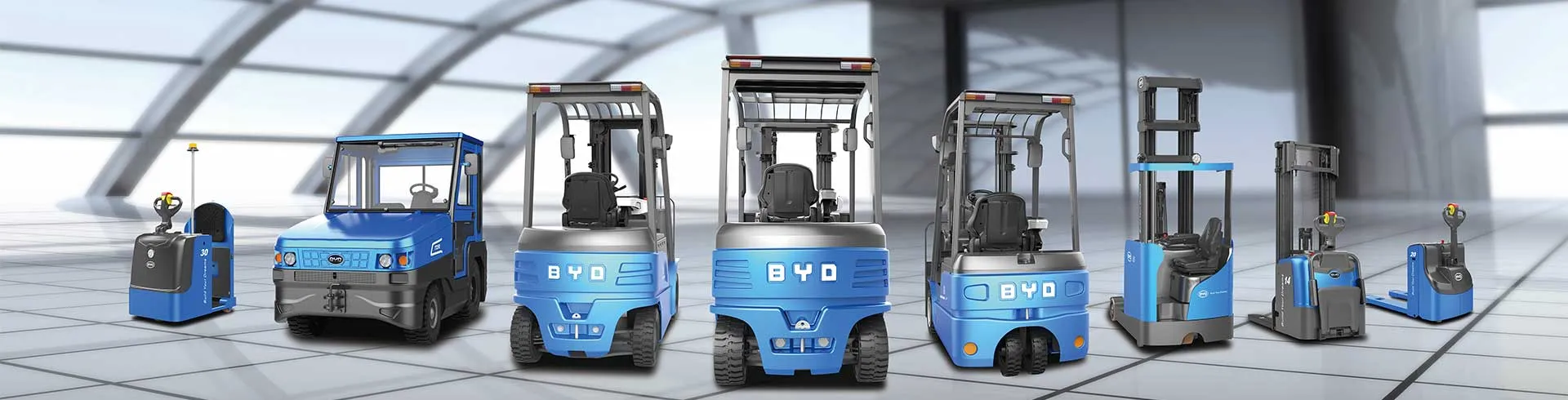
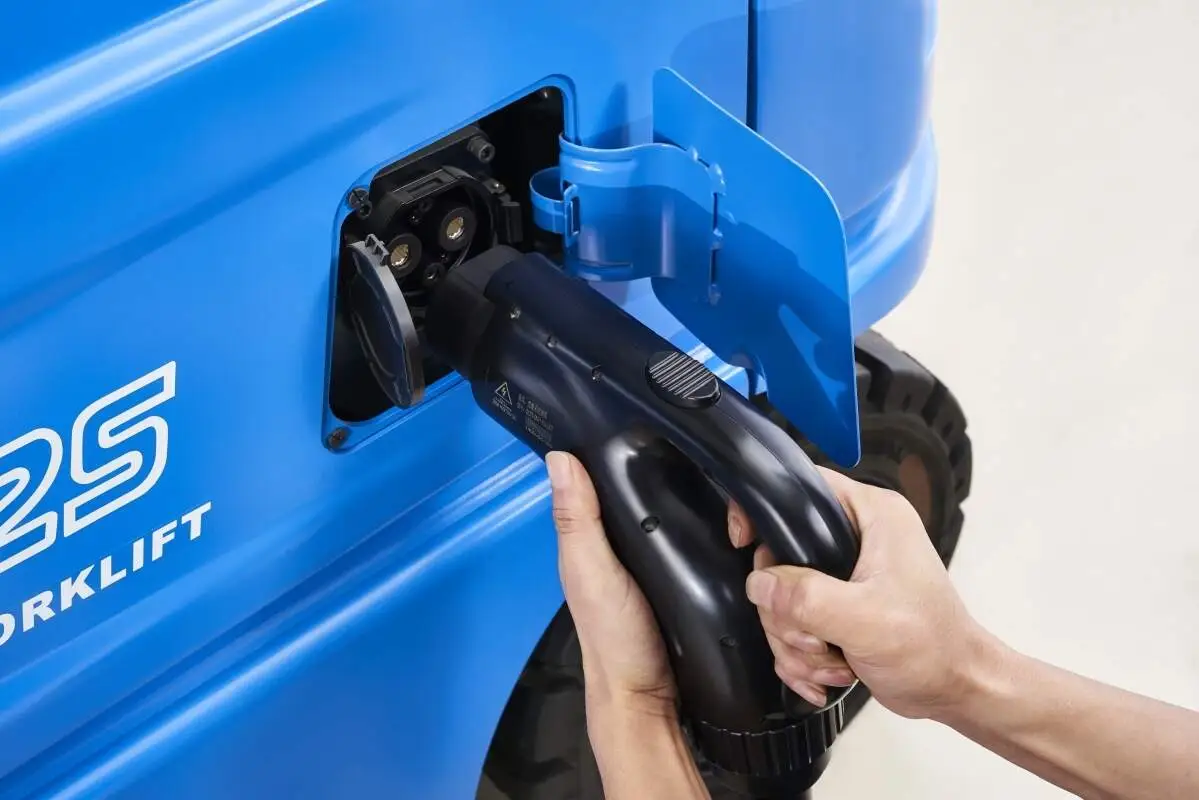
In many industrial and warehouse settings, high humidity is a persistent environmental factor that can significantly affect the daily operation of electric forklifts. Moisture in the air leads to condensation on electrical components, corrosion of metal parts, and reduced traction on wet floors. These conditions increase the risk of equipment malfunction, unplanned downtime, and safety hazards for operators. However, when electric forklift units are properly specified to withstand elevated moisture levels, these challenges become manageable.
A well-designed high humidity electric forklift incorporates enhanced sealing, corrosion-resistant materials, and robust insulation for all electrical systems. This prevents water ingress into controllers, motors, and battery compartments, ensuring consistent performance even in damp conditions. Additionally, specialized tires and chassis coatings improve grip and longevity on slippery surfaces. By choosing units that meet specific humidity resistance standards, facilities can maintain productivity without compromising safety.
For example, Jianshu New Energy has demonstrated how adapting electric forklift design to local climates reduces maintenance intervals. Their collaboration with BYD Forklift highlights the importance of integrating proven battery and motor technologies into humidity-resistant frames. Such units allow operators to work confidently in cold storage rooms, coastal warehouses, or outdoor covered areas where relative humidity regularly exceeds 80%.
Regular maintenance remains essential, but with the right specification, the frequency of corrosion-related repairs drops substantially. Operators also benefit from improved ergonomics and quieter operation compared to internal combustion alternatives. If your facility faces daily humidity-related operational hurdles, consider evaluating electric forklifts built for such environments. For more information, contact us at 17399989919@163.com.


