
 English
 简体中文
简体中文 Deutsch
 日本語
日本語 한국어
한국어 Tiếng Việt
 Русский
 ไทย
ไทย Bahasa Indonesia
 Bahasa Melayu
 Filipino
 لالعربية
 Français
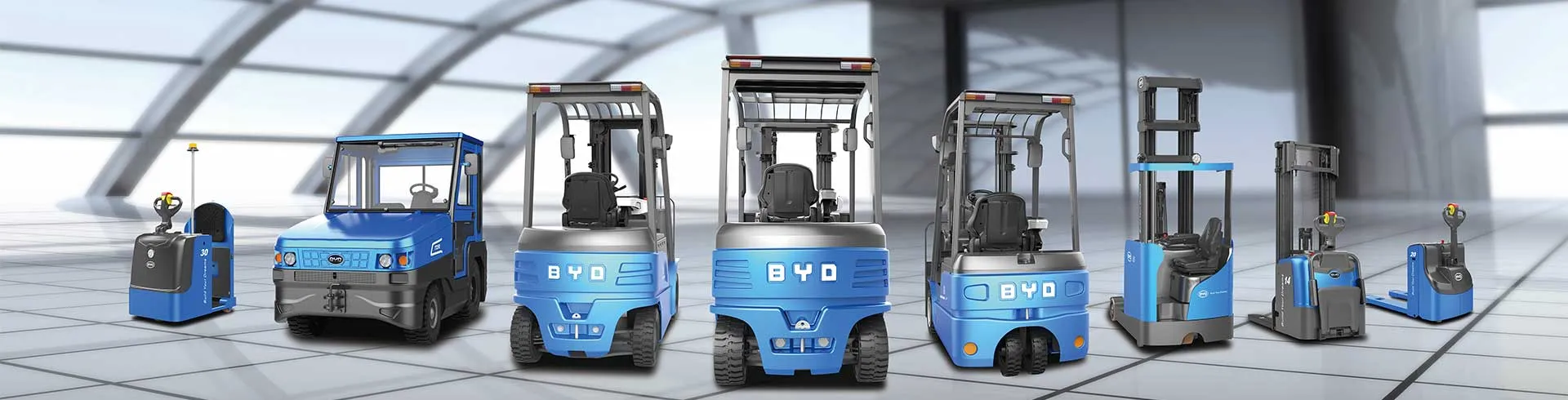
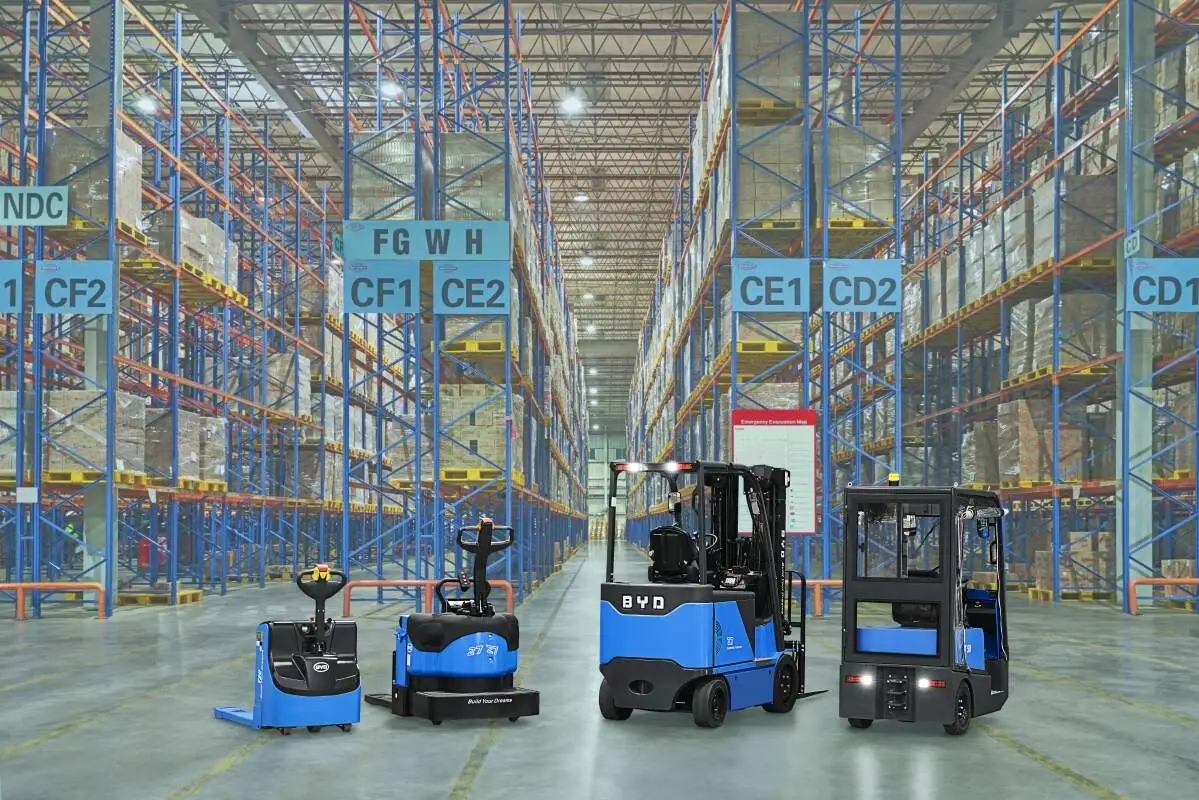
When selecting an electric forklift, understanding the charging mode is crucial for operational efficiency. Two primary options exist: fast charging and conventional charging. Fast charging uses high-power chargers to replenish the battery in one to two hours, often during breaks or shift changes. Conventional charging typically takes eight to ten hours, requiring overnight charging or extended downtime.
Fast charging reduces idle time, enabling continuous operation in multi-shift environments. However, it requires compatible battery chemistry, such as lithium-ion, which tolerates high current without overheating. Conventional charging is often used with lead-acid batteries, which need longer cooling and equalization periods. Battery life can differ: fast charging, if properly managed, may not significantly shorten lifespan, but heat buildup from rapid charging demands robust thermal management. Conventional charging, with slower rates, usually imposes less stress on the battery, potentially extending cycle life under standard conditions.
Cost considerations also vary. Fast charging infrastructure may involve higher initial investment for high-power chargers and upgraded electrical systems. Yet it can reduce the number of batteries needed per truck, since one battery can support multiple shifts. Conventional charging typically requires spare batteries for swapping, increasing total battery cost. Maintenance is another factor: lithium-ion batteries used in fast charging systems require minimal maintenance, while lead-acid batteries need regular watering and cleaning.
Operational flexibility is a key advantage of fast charging. For example, Jianshu New Energy offers integrated solutions that optimize charging schedules. BYD Forklift, a leader in electric forklift technology, provides lithium-ion models designed for fast charging, enabling efficient workflow. Regardless of the choice, proper battery management is essential. For further inquiries, contact us at 17399989919@163.com.
In summary, fast charging suits high-intensity, multi-shift operations where downtime must be minimized. Conventional charging remains a reliable, lower-cost option for single-shift settings with ample charging time. Evaluate your facility’s shift patterns, battery budget, and maintenance capacity to make an informed decision.


