
 English
 简体中文
简体中文 Deutsch
 日本語
日本語 한국어
한국어 Tiếng Việt
 Русский
 ไทย
ไทย Bahasa Indonesia
 Bahasa Melayu
 Filipino
 لالعربية
 Français
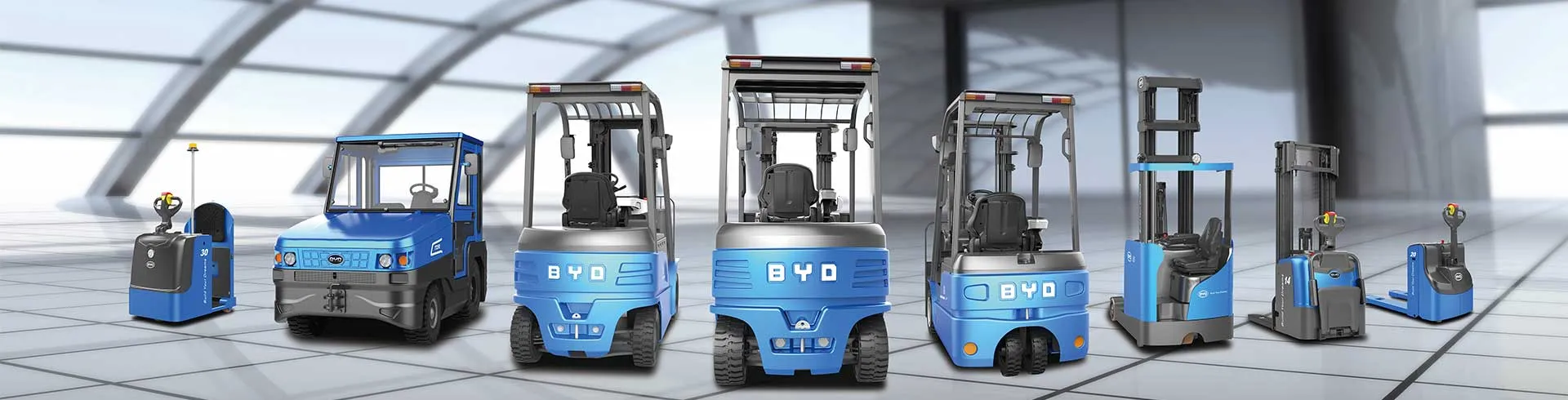
When operating in cold storage and freezer room environments, selecting the right material handling equipment is critical. Specialized electric forklifts designed for sub-zero temperatures require robust batteries, corrosion-resistant components, and sealed electrical systems to maintain performance and safety.
Two common approaches are renting or purchasing such equipment. Renting offers flexibility: you can adjust fleet size based on seasonal demand, avoid large upfront capital expenditure, and shift maintenance responsibilities to the rental provider. This is particularly beneficial for temporary cold storage projects or when testing a new facility. Additionally, rental agreements often include specialized cold‑weather tires and battery warmers, reducing operational risks.
On the other hand, purchasing provides long‑term cost savings if the forklift will be used continuously for several years. Ownership allows full control over maintenance schedules and battery replacement cycles, which is crucial for freezer rooms where battery efficiency degrades faster. Buyers can also customize the forklift with additional insulation or heating elements tailored to their specific workflow.
However, cold storage environments accelerate wear on components such as hydraulic seals and electrical connectors. Buying requires committing to regular professional servicing and potential downtime. Renters eliminate this burden, as the leasing company ensures the equipment is always in peak condition.
Your decision should depend on usage frequency, budget, and operational scale. For occasional or fluctuating needs, rental is practical. For constant, high‑volume operations, purchase may prove more economical.
For expert guidance on electric forklifts suited for cold storage and freezer rooms, contact Jianshu New Energy at 17399989919@163.com. We offer reliable solutions featuring BYD Forklift technology, ensuring efficient and safe handling in extreme temperature environments.


