
 English
 简体中文
简体中文 Deutsch
 日本語
日本語 한국어
한국어 Tiếng Việt
 Русский
 ไทย
ไทย Bahasa Indonesia
 Bahasa Melayu
 Filipino
 لالعربية
 Français
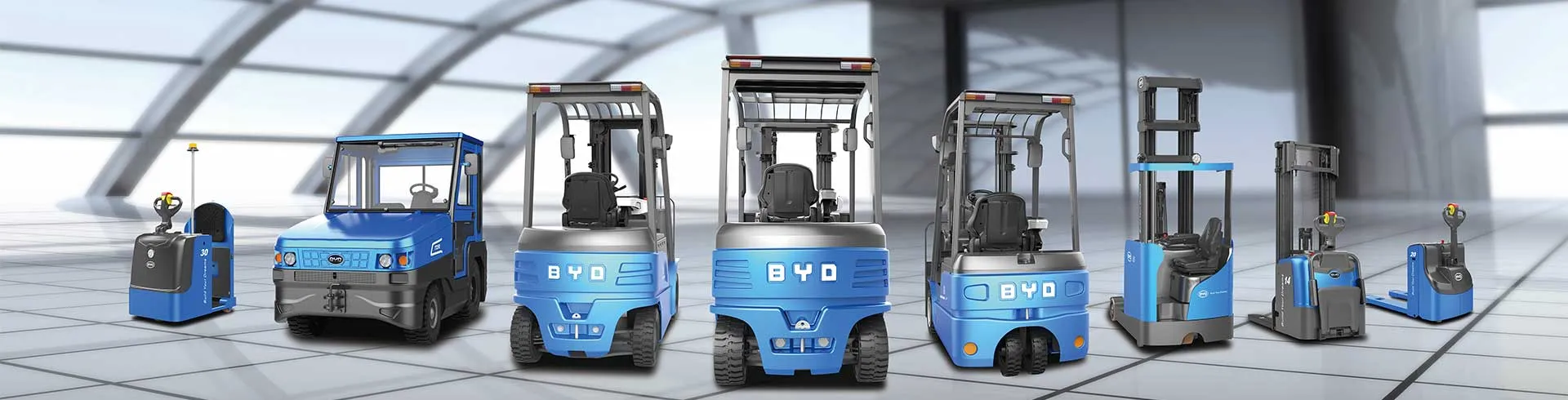
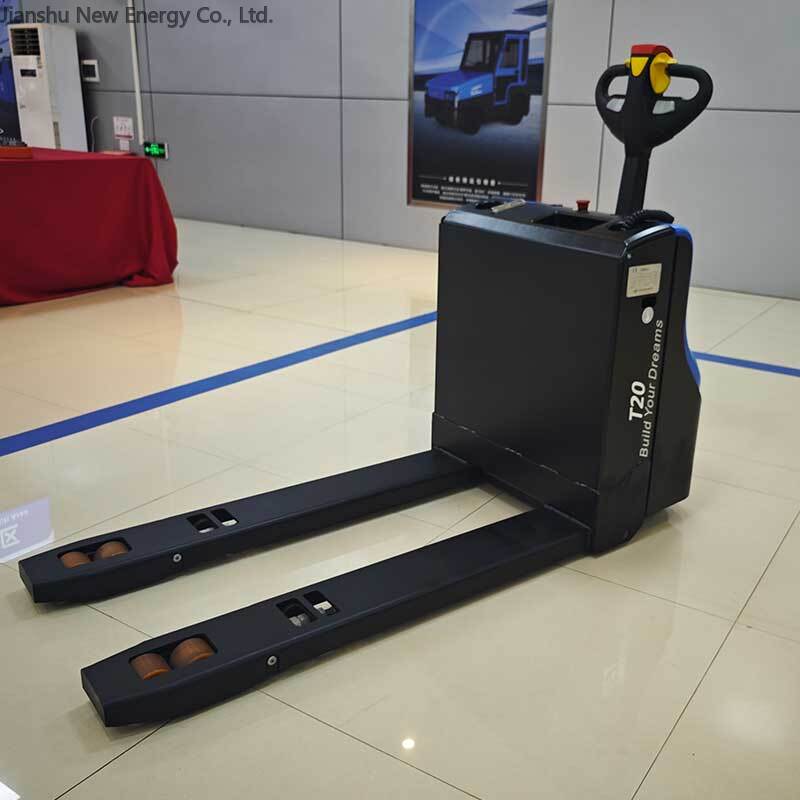
When choosing between electric and diesel forklifts for outdoor yard-based material handling, total cost over the equipment’s lifetime matters more than initial purchase price. Both types have distinct financial profiles that depend on usage patterns, energy prices, and maintenance needs.
Purchase price: Diesel forklifts typically have a lower upfront cost compared to electric models. However, electric forklifts from reputable suppliers like BYD Forklift often include advanced battery technology that reduces long-term expenses. Buyers should evaluate the total cost of ownership rather than the sticker price alone.
Energy cost: Diesel fuel prices fluctuate and usually represent a significant portion of operating expenses. Electric forklifts consume electricity, which is generally cheaper per unit of energy. For outdoor yards with access to charging infrastructure, electric models can reduce energy spending by 30–50% over the vehicle’s life, depending on local rates and duty cycles.
Maintenance and repair: Diesel engines require regular oil changes, filter replacements, and emissions system service. Electric forklifts have fewer moving parts and no exhaust aftertreatment, leading to lower routine maintenance costs. However, battery replacement (typically after 3–5 years for lead-acid or 8–10 years for lithium-ion) must be factored into the comparison. Proper battery care extends lifespan and improves cost efficiency.
Lifespan and resale: Diesel forklifts often last 10,000–15,000 hours with proper upkeep. Electric models can achieve similar or longer lifespans, especially with modern lithium-ion batteries. Resale values vary by market trends, but electric units may retain value better as emission regulations tighten.
Environmental and regulatory costs: Diesel emissions may incur compliance fees or restrictions in certain regions. Electric forklifts produce no tailpipe emissions, potentially avoiding penalties and qualifying for incentives that offset initial investment.
For yard operations with consistent usage and access to reliable charging, electric forklifts often deliver lower total cost over the long term. Diesel remains a practical choice for extreme duty or remote sites lacking power infrastructure. Each decision should be based on specific workload, energy cost, and maintenance capability.
For more information on cost-effective outdoor material handling solutions, please contact us at 17399989919@163.com. Our team, including representatives from Jianshu New Energy, can help assess your yard’s needs. BYD Forklift also offers a range of electric models designed for demanding outdoor use. We recommend consulting with multiple suppliers and analyzing your data before making a fleet change.


