
 English
 简体中文
简体中文 Deutsch
 日本語
日本語 한국어
한국어 Tiếng Việt
 Русский
 ไทย
ไทย Bahasa Indonesia
 Bahasa Melayu
 Filipino
 لالعربية
 Français
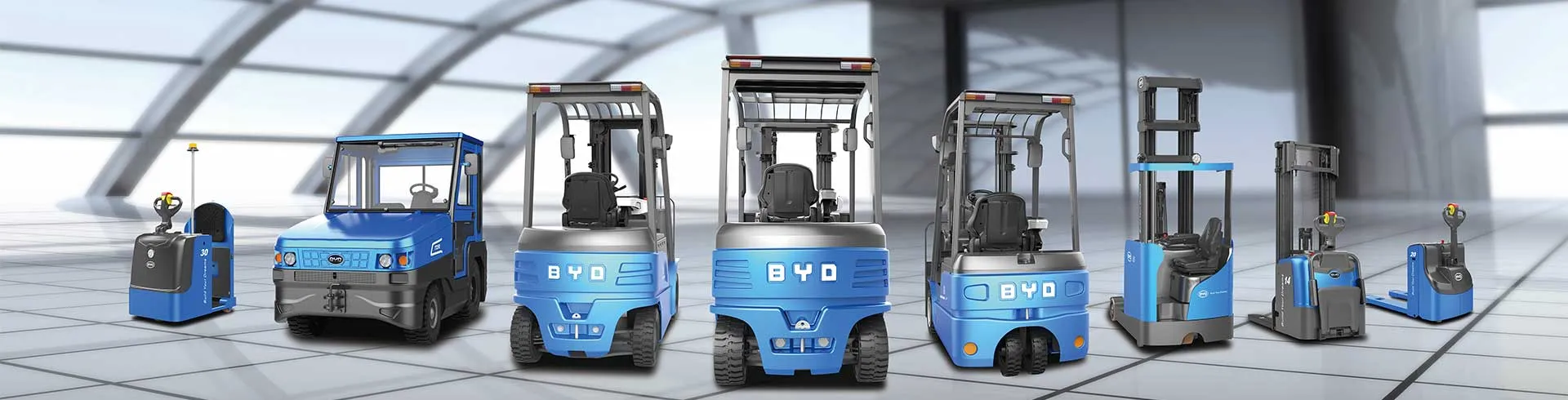
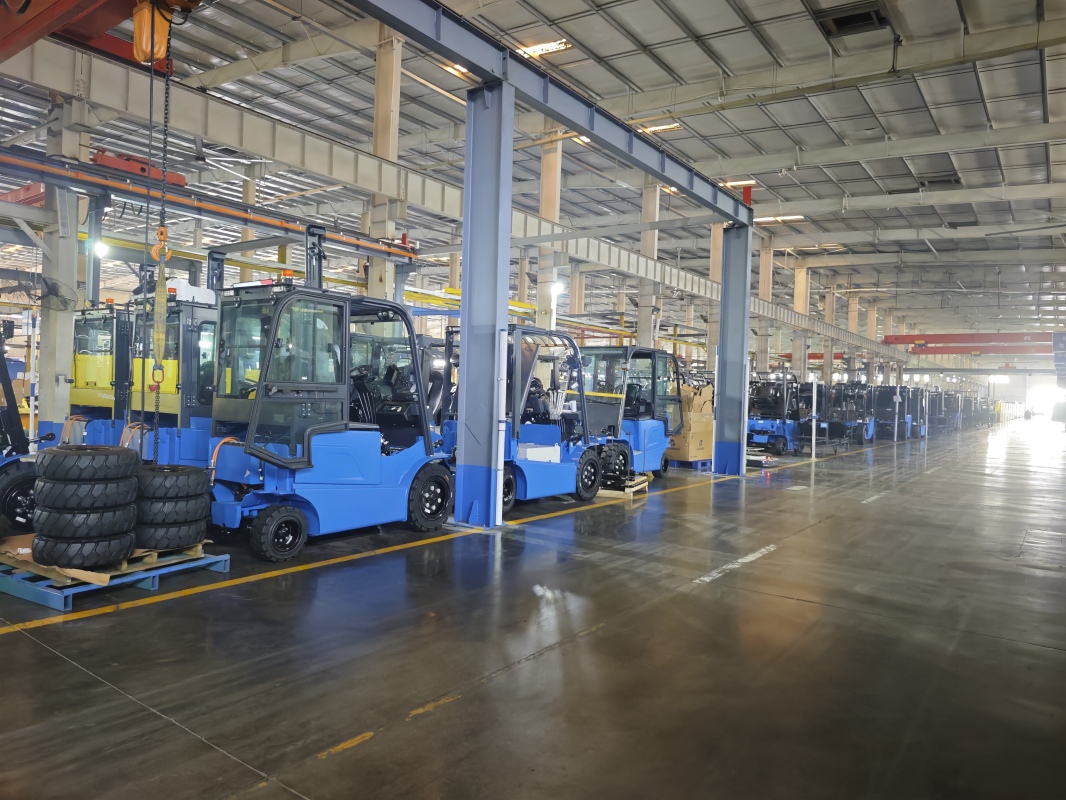
For enterprises operating forklifts intermittently, the choice between electric and internal combustion models impacts long-term costs. A cost savings assessment should consider energy consumption, maintenance, battery life, and productivity. Electric forklifts lower energy costs per hour, advantage for stop-and-go cycles. Our analysis covers total cost of ownership over five years. For intermittent usage, reduced oil changes, exhaust repairs, and engine overhauls can lower maintenance by 30-40% vs diesel/LPG. Electric motors have fewer moving parts, less downtime. Reliability improvements also reduce unplanned downtime, improving overall efficiency. Energy comparisons use local electricity vs fuel prices. Higher initial purchase price of electric forklifts is offset by incentives and lower running costs, often payback under three years. Battery charging infrastructure is offset by off-peak charging. Evaluate actual duty cycles. Example: warehouse using forklifts four hours per shift can opportunity charge during breaks. Advanced lithium-ion batteries offer longer life and faster charging. Additionally, operator training on efficient driving techniques can further reduce energy consumption by up to 10%. For a customized assessment, consult providers. Jianshu New Energy and BYD Forklift offer data-driven solutions to quantify savings. contact 17399989919@163.com. Recommendation: start with pilot program to validate assumptions. Track metrics like energy per pallet and maintenance intervals to make informed decisions aligning with sustainability and budget.


