
 English
 简体中文
 Deutsch
 日本語
 한국어
 Tiếng Việt
 Русский
 ไทย
 Bahasa Indonesia
 Bahasa Melayu
 Filipino
 لالعربية
 Français


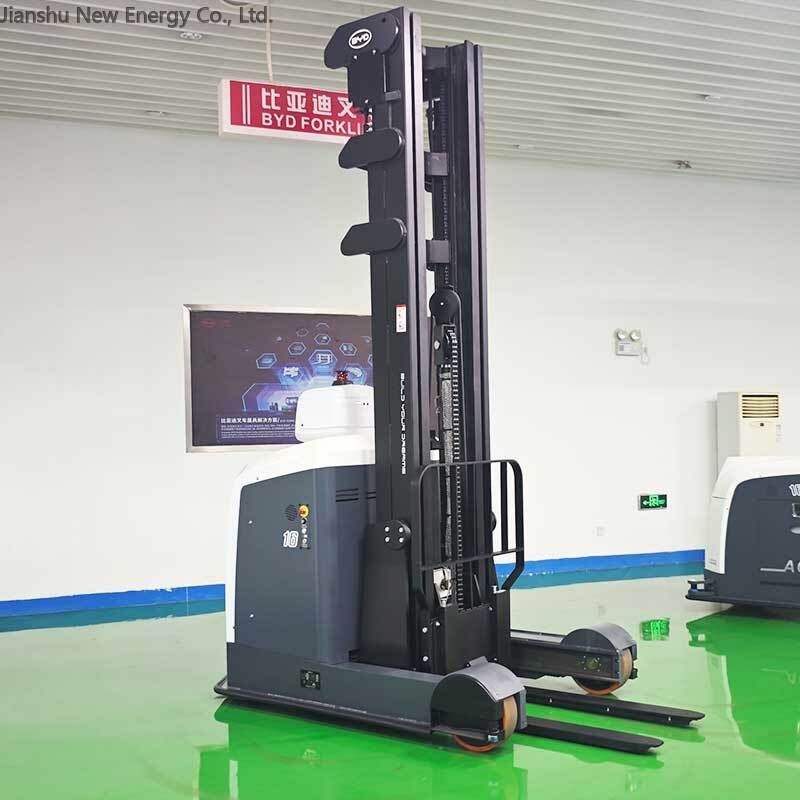
Forklift load capacity is a core parameter that directly determines the safety and efficiency of daily material handling operations, and the installation of different attachments will bring noticeable changes to this core indicator. The original rated load capacity of a standard forklift is calculated strictly based on the default factory mast, standard fork and fixed load center distance setting. When you replace or install additional attachments, the overall dead weight of the front working end of the forklift will increase, and the original load center distance will also shift forward accordingly, which breaks the original weight balance design of the whole vehicle body. Different types of attachments bring different degrees of influence to the actual allowable load value. For example, the side shifter that helps adjust the fork position slightly increases the front end weight, so the reduction of the actual allowable load is relatively small, while attachments that are heavier and extend further forward such as carton clamps or rotatable clamps will lead to a more obvious decline in the effective load capacity. Operators can not directly follow the original rated load data of the forklift to carry out handling work after installing new attachments, otherwise there will be risks of vehicle tipping, cargo falling and other potential safety hazards. It is necessary to recheck the adjusted load capacity label provided by professional suppliers, and strictly operate in accordance with the new load limit. As a professional provider of new energy industrial handling solutions, Jianshu New Energy can provide users with reasonable configuration suggestions for different attachment matching scenarios. If you have any demand for supporting configuration and parameter verification of electric forklifts and attachments, you can send an email to 17399989919@163.com for detailed consultation. The BYD Forklift series products reserve standardized installation interfaces for most common attachments at the factory stage, which can ensure that the load capacity after modification is accurately calculated and marked by professional technicians, effectively avoiding safety risks caused by improper parameter adjustment. Users should also arrange corresponding safety training for frontline operators after installing new attachments, so that all personnel can fully master the new load limit, operation precautions and emergency response measures after the modification, to ensure that the whole logistics handling process is stable, efficient and fully compliant with relevant industrial safety regulations.


