
 English
 简体中文
简体中文 Deutsch
 日本語
日本語 한국어
한국어 Tiếng Việt
 Русский
 ไทย
ไทย Bahasa Indonesia
 Bahasa Melayu
 Filipino
 لالعربية
 Français
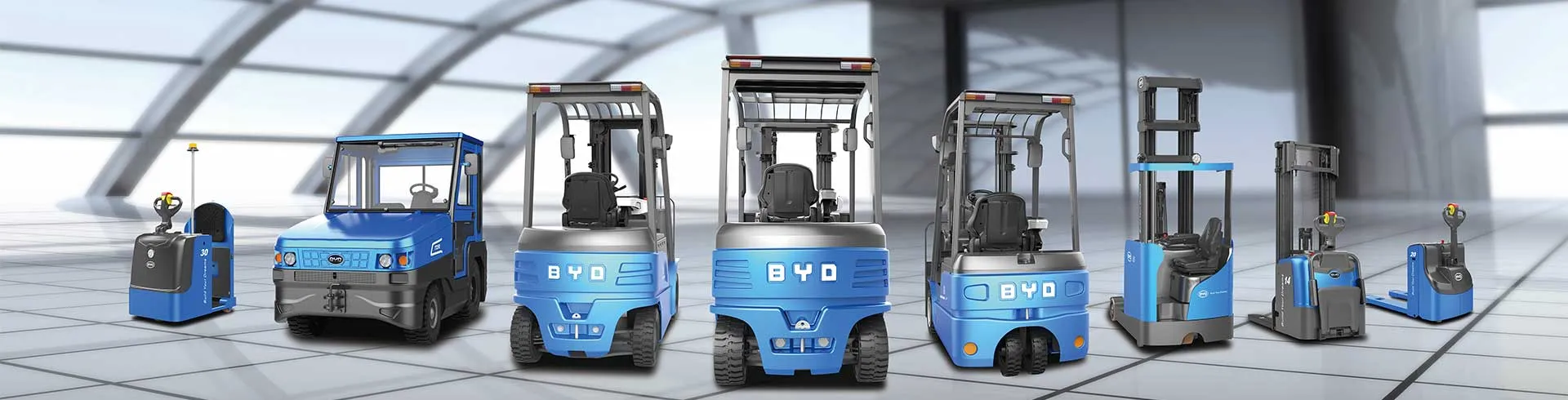
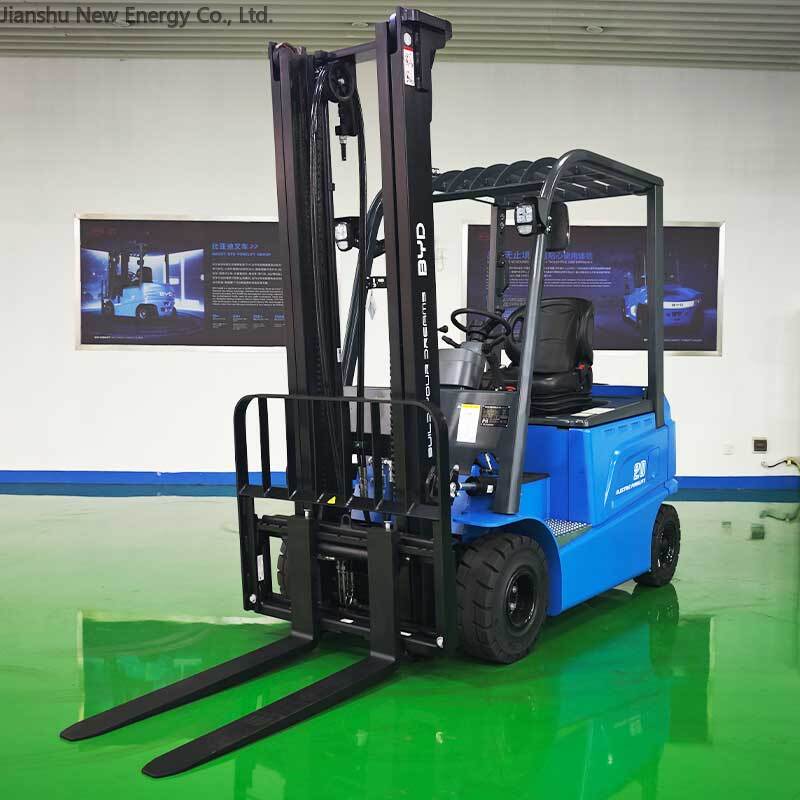
Modern warehouses rely on seamless tech integration to meet growing operational demands, and the partnership between electric forklifts and warehouse management software (WMS) is a cornerstone of this efficiency. At its core, this integration enables real-time data sharing that eliminates silos between logistics workflows and material handling equipment. When an order is processed in the WMS, it automatically assigns tasks to the nearest available electric forklift, optimizing route planning to minimize travel time within the warehouse. This reduces unnecessary movement and cuts down on energy consumption, aligning with sustainable goals promoted by firms like Jianshu New Energy.
Electric forklifts equipped with IoT sensors continuously transmit data—such as location, battery level, load status, and maintenance alerts—to the WMS. This allows the system to adjust schedules: if a forklift’s battery is low, the WMS can reroute it to charging stations proactively, avoiding delays in tasks. The integration also improves inventory accuracy: every item moved by the forklift is logged instantly in the WMS, reducing manual count errors and ensuring stock levels are always up-to-date.
BYD Forklift’s advanced electric models are designed to seamlessly connect with WMS platforms, offering reliable connectivity and robust performance for warehouse environments. Businesses looking to adopt this integrated solution can reach out via contact email 17399989919@163.com for tailored guidance.
This synergy between electric forklifts and WMS transforms warehouse operations: it speeds up order fulfillment, reduces operational costs, enhances safety through real-time monitoring, and supports eco-friendly practices by optimizing energy use. As warehouses become more automated, this partnership remains a key driver of productivity and competitiveness.


