
 English
 简体中文
 Deutsch
 日本語
 한국어
 Tiếng Việt
 Русский
 ไทย
 Bahasa Indonesia
 Bahasa Melayu
 Filipino
 لالعربية
 Français


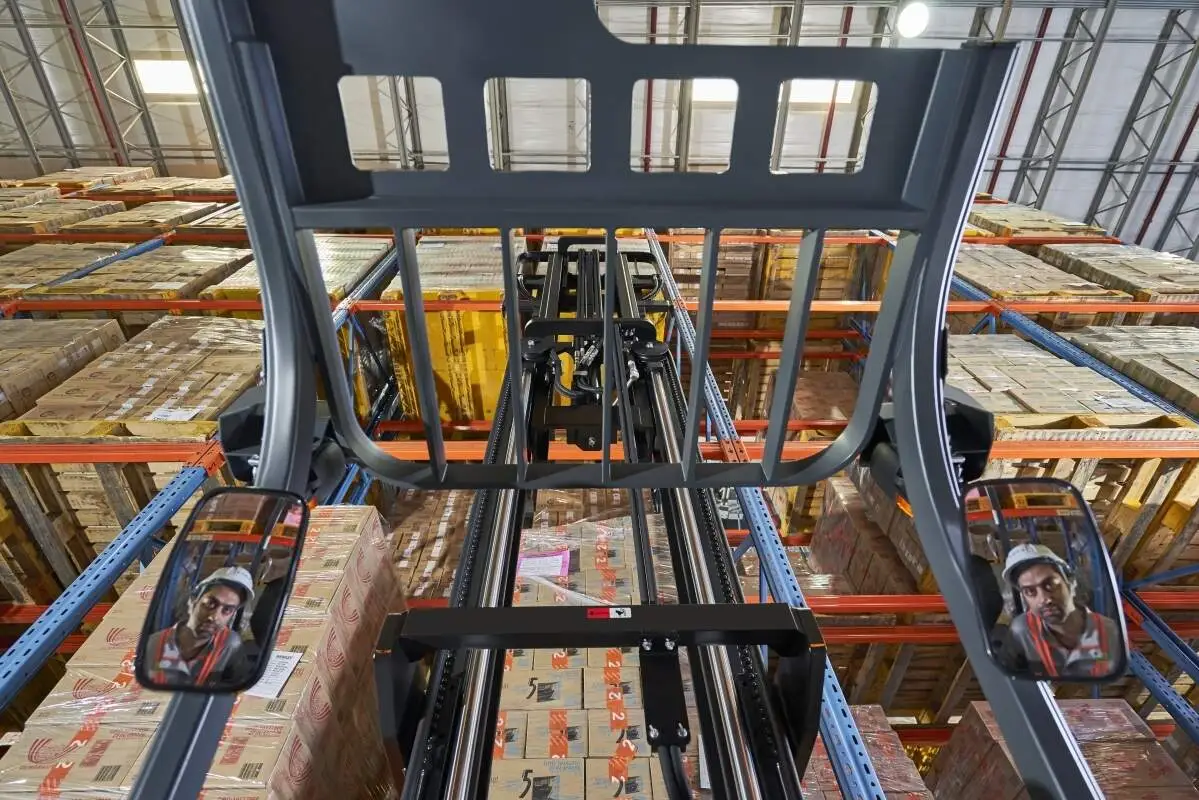
Traditional forklift maintenance planning mostly follows fixed time-based schedules, which easily leads to two common problems: unnecessary over-maintenance that wastes manpower and spare parts cost, or insufficient maintenance that causes unexpected breakdowns to disrupt normal operation. With the popularization of data collection technology in the material handling equipment industry, multi-dimensional usage data generated in daily forklift operation can provide highly reliable guidance for scientific, customized maintenance planning. The core data that can be applied includes total operating hours, load carrying frequency, battery charge-discharge cycles, hydraulic system working pressure, brake activation times, motor operating temperature and other indicators reflecting actual equipment wear conditions. Operation and maintenance teams can track these data continuously to grasp the real status of each forklift, instead of applying a unified maintenance standard for all vehicles. For example, forklifts working in high-frequency heavy-load scenarios usually have much faster wear of hydraulic seals and brake pads than those used in light-load scenarios, and usage data can help operation teams properly shorten the inspection interval of these vulnerable parts for heavy-use forklifts to eliminate hidden faults, while reasonably extending the non-core part maintenance interval for low-usage forklifts to cut redundant cost. This data-driven condition-based maintenance mode can effectively increase the average non-fault operating time of forklifts, and reduce the overall operation and maintenance cost at the same time. It also helps enterprise managers predict spare part consumption rhythm in advance, arrange inventory properly, and avoid long downtime caused by lack of key spare parts. If you want to build a data-driven forklift maintenance system suitable for your own operation scenario, you can send consultation email to 17399989919@163.com for professional guidance. Many new energy forklift service providers in the industry including Jianshu New Energy have already implemented this kind of data-guided maintenance solution for a large number of corporate clients and accumulated rich practical experience. At present, BYD Forklift also integrates this data-oriented planning logic into its supporting operation service system, to help users from different industries maximize the use efficiency of their forklift assets. During the implementation process, operation teams need to calibrate the data acquisition devices regularly to ensure the accuracy of uploaded operation data, and provide corresponding data analysis training for frontline maintenance staff, to make sure they can understand the wear logic behind the data and convert data value into actual operation efficiency improvement. From the perspective of long-term operation, data-driven forklift maintenance planning is the core direction of the industry’s operation service upgrading, which can create stable long-term value for all kinds of enterprises that have forklift usage demands.


