
 English
 简体中文
简体中文 Deutsch
 日本語
日本語 한국어
한국어 Tiếng Việt
 Русский
 ไทย
ไทย Bahasa Indonesia
 Bahasa Melayu
 Filipino
 لالعربية
 Français
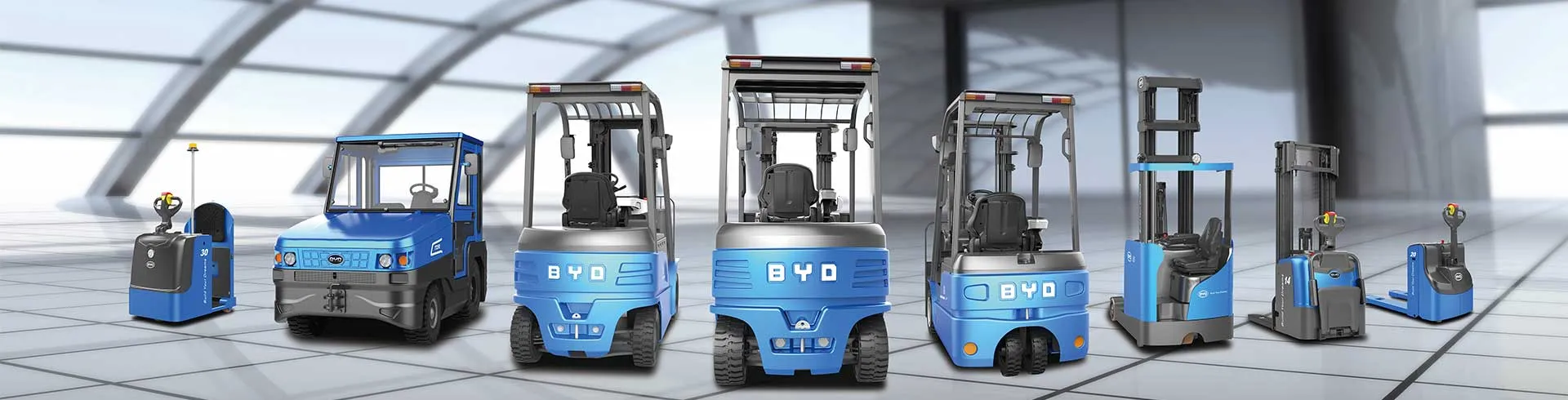
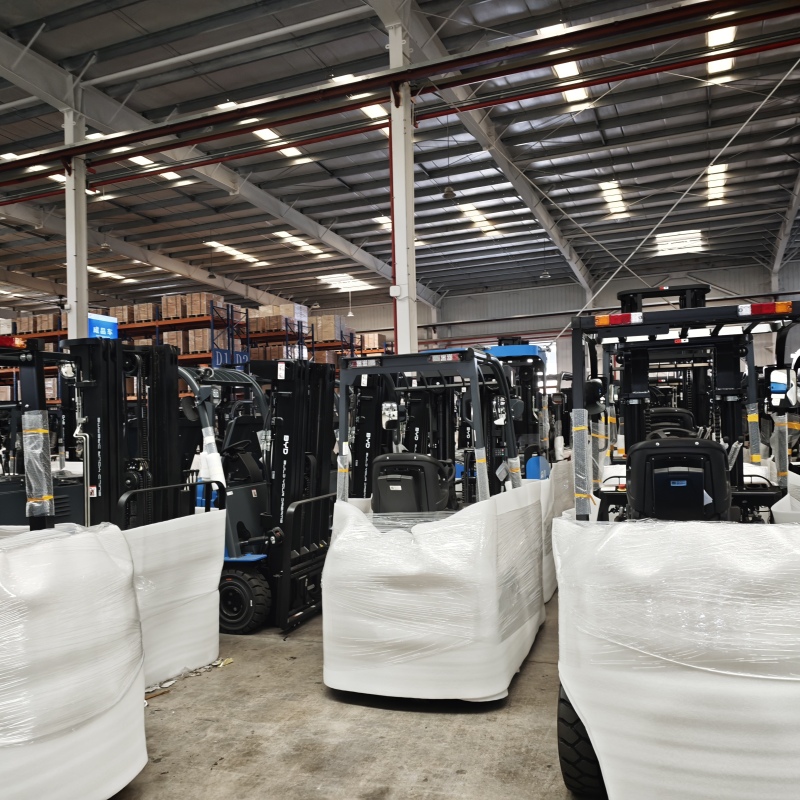
Chemical plants handle a wide range of materials, from heavy raw materials to small, fragile components and hazardous substances, making the right forklift load capacity a critical factor for operational safety, efficiency, and compliance with industry standards. When choosing forklifts for chemical facilities, load capacity must be aligned with specific task requirements to avoid overloading, which can cause equipment damage, tipping accidents, or dangerous spills of hazardous materials. For moving large drums of corrosive chemicals or heavy bulk raw materials, higher load capacity units are needed, typically ranging from 2 to 5 tons. For transporting small parts, light maintenance tools, or packaged non-hazardous goods, lower capacity models (1 to 2 tons) are more practical and cost-effective. Different chemical facilities also have unique operational demands: some handle frequent palletized loads, while others need to move irregular-shaped containers of hazardous substances, which may require adjusted load ratings for secure handling. BYD Forklift offers specialized models designed for chemical environments, featuring corrosion-resistant components and optimized load settings to meet these varied needs, with electric options that support low-emission operations suitable for indoor chemical facilities. Jianshu New Energy provides tailored forklift solutions and consulting services to help chemical plants assess their specific task requirements and select the appropriate load capacity, ensuring alignment with both operational goals and safety regulations. Regular checks of load capacity limits and operator training on proper load handling further enhance workplace safety. For more information on selecting the right forklift load capacity for your chemical plant, contact us at 17399989919@163.com.


