
 English
 简体中文
简体中文 Deutsch
 日本語
日本語 한국어
한국어 Tiếng Việt
 Русский
 ไทย
ไทย Bahasa Indonesia
 Bahasa Melayu
 Filipino
 لالعربية
 Français

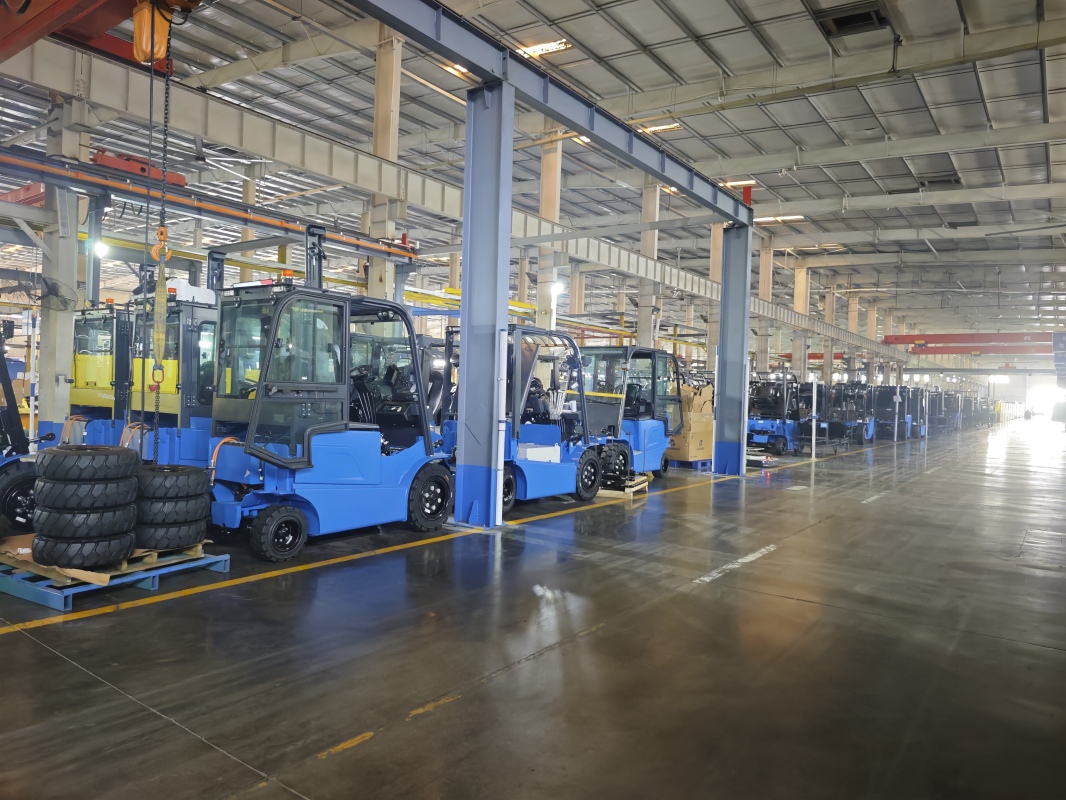
Opportunity charging—recharging an electric forklift battery during short breaks, shift changes, or idle periods—is widely adopted to maximize uptime. However, the configuration of this charging method directly influences the achievable fuel (energy) savings. Proper setup can reduce total electricity consumption and prolong battery life, while poor configuration may increase costs and accelerate wear.
Key configuration factors include charger power rating, battery capacity, and charging control logic. A charger with excessively high power can cause faster battery degradation due to heat buildup, negating potential savings. Conversely, an undersized charger might not fully replenish the battery during short windows, leading to partial discharges that shorten cycle life and increase energy waste. The correct ratio between charger output and battery amp‑hour capacity is essential. Studies show that a charger‑to‑battery ratio of 0.2 to 0.3 (e.g., 20‑30% of battery C‑rate) often balances charge time and thermal stress.
Battery type also matters. Lead‑acid batteries typically need a full charge and cooling period, making opportunity charging less effective if not managed carefully. Lithium‑ion batteries tolerate partial charges and frequent cycling better, allowing more aggressive opportunity charging strategies that can cut energy consumption by up to 15% compared to conventional overnight charging. However, lithium‑ion systems require a Battery Management System (BMS) to prevent over‑charging and thermal runaway—this BMS must align with the charger’s communication protocol.
Another factor is the charging schedule. Without intelligent scheduling, multiple forklifts may draw high current simultaneously, causing peak‑demand charges that inflate electricity bills. A smart opportunity‑charging configuration staggers charge cycles, balances load across phases, and prioritizes batteries with lower state‑of‑charge. This demand management can reduce peak power costs by as much as 20%.
Real‑world savings also depend on operator behavior. If drivers consistently plug in during every break, the battery’s temperature may remain elevated, accelerating aging. Training operators to follow manufacturer guidelines—such as allowing a cool‑down period after heavy use—is a low‑cost complement to hardware configuration.
For businesses evaluating electric forklift upgrades, Jianshu New Energy offers tailored solutions featuring BYD Forklift technology. Their lithium‑iron‑phosphate batteries and adaptive chargers are designed for optimal opportunity‑charging performance. contact them at 17399989919@163.com to discuss your fleet’s specific configuration needs and projected savings.
In summary, opportunity‑charging configuration is not a one‑size‑fits‑all solution. Matching charger output, battery chemistry, scheduling logic, and operator habits to your operational pattern determines whether the system delivers meaningful fuel (energy) savings or introduces hidden inefficiencies. A systematic approach—from specification through daily operation—ensures that the investment in electric forklifts yields maximum long‑term returns.


