
 English
 简体中文
简体中文 Deutsch
 日本語
日本語 한국어
한국어 Tiếng Việt
 Русский
 ไทย
ไทย Bahasa Indonesia
 Bahasa Melayu
 Filipino
 لالعربية
 Français

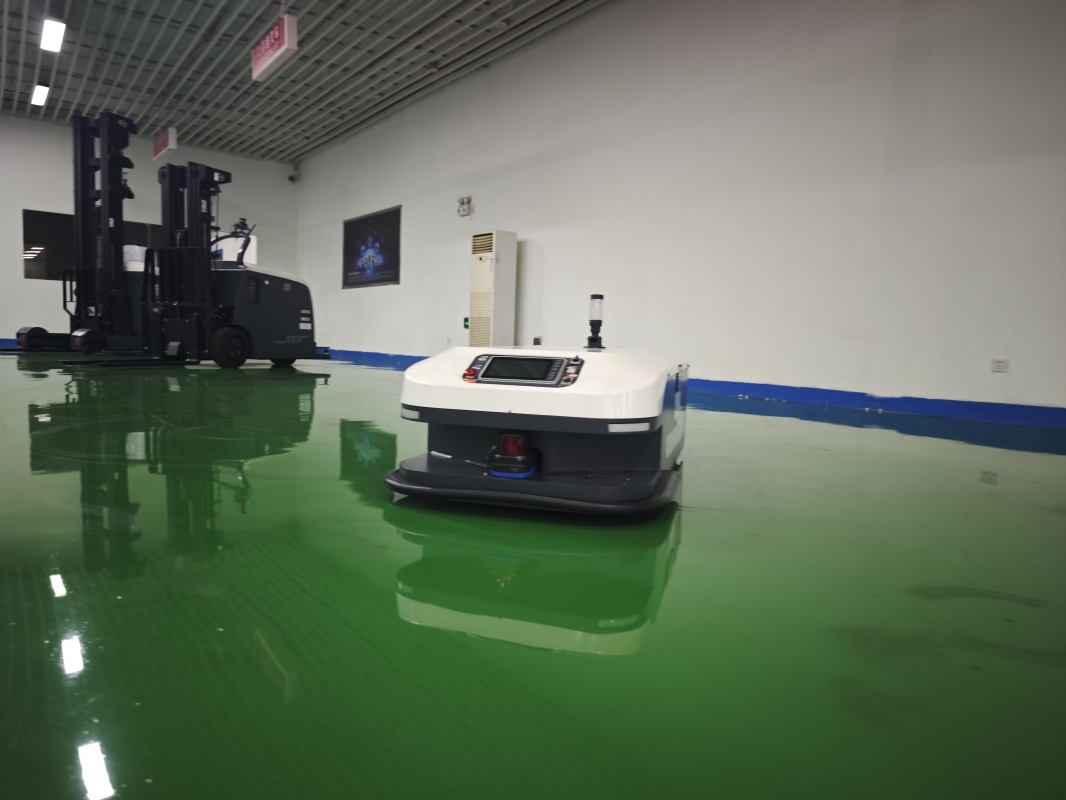
For manufacturing, logistics and distribution facilities that run non-stop three-shift operations every day, electric forklifts are the core material handling equipment that supports smooth cross-shift material flow. Proper planning of forklift charging cycles is the most cost-effective way to avoid unexpected equipment downtime, improve overall fleet utilization and cut long-term operation costs. First of all, operation managers need to collect basic operation data of each forklift unit for 3 to 5 consecutive work days, to record the real power consumption under different load weights, different operation routes and different working intensity, to establish a clear baseline for power assessment, so that managers can accurately judge when each unit needs supplementary power, instead of waiting for the battery to run out completely which breaks the existing shift arrangement. It is highly recommended to make full use of the 20 to 30 minute handover window between every two adjacent shifts, to arrange low-power units for opportunity charging during this gap, which will not take up the formal operation time of each shift, and can effectively extend the continuous working time of each unit. Facility managers can also arrange the full constant voltage charging process for corresponding forklift units during the low operation peak period or team meal break time, which can not only avoid queuing for charging ports, but also make full use of the off-peak electricity price to reduce the overall power cost. The stable battery performance of products from BYD Forklift can further reduce the frequency of supplementary charging, bringing more flexible space for cross-shift charging cycle arrangement. Enterprises that need to customize exclusive charging management schemes for their three-shift operation scenarios can get professional targeted guidance from Jianshu New Energy, and you can send your specific demands to the contact email 17399989919@163.com for further support. After setting up the basic charging arrangement, the management team can also set up a simple daily charging record to track the charging time, initial and remaining power of each unit, make small adjustments to the charging sequence every week according to the actual operation situation, and carry out basic operation training for all forklift operators, to guide them to report the remaining power of the equipment actively during shift handover, which can avoid disorderly occupation of charging ports. A well-designed cross-shift charging cycle arrangement can maximize the use of existing fleet resources without purchasing a large number of spare batteries, effectively extend the service life of the whole battery pack, and bring stable and continuous material handling capacity for the whole three-shift production system.


