
 English
 简体中文
简体中文 Deutsch
 日本語
日本語 한국어
한국어 Tiếng Việt
 Русский
 ไทย
ไทย Bahasa Indonesia
 Bahasa Melayu
 Filipino
 لالعربية
 Français
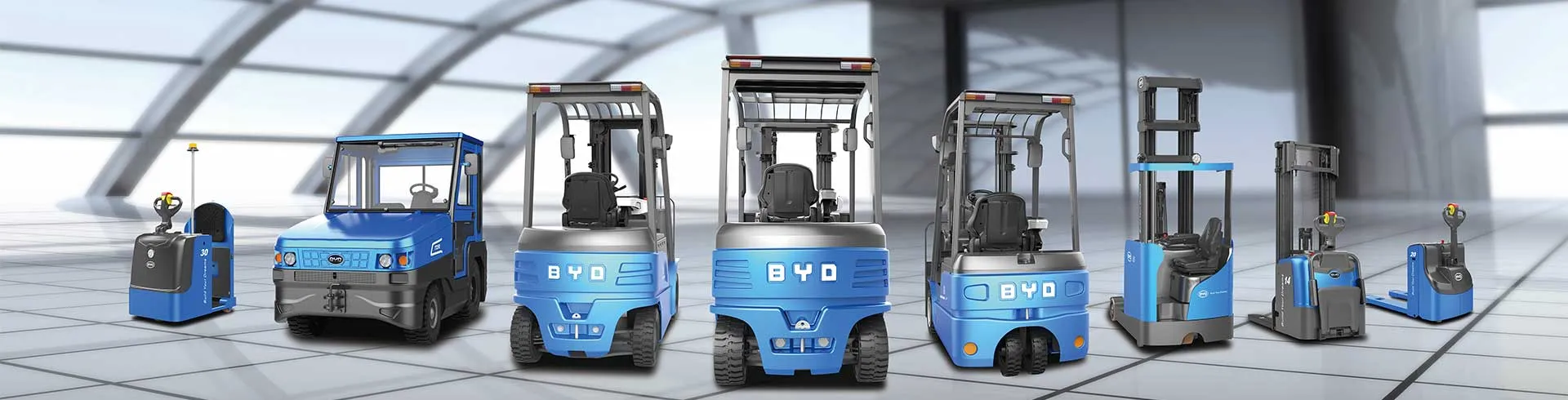
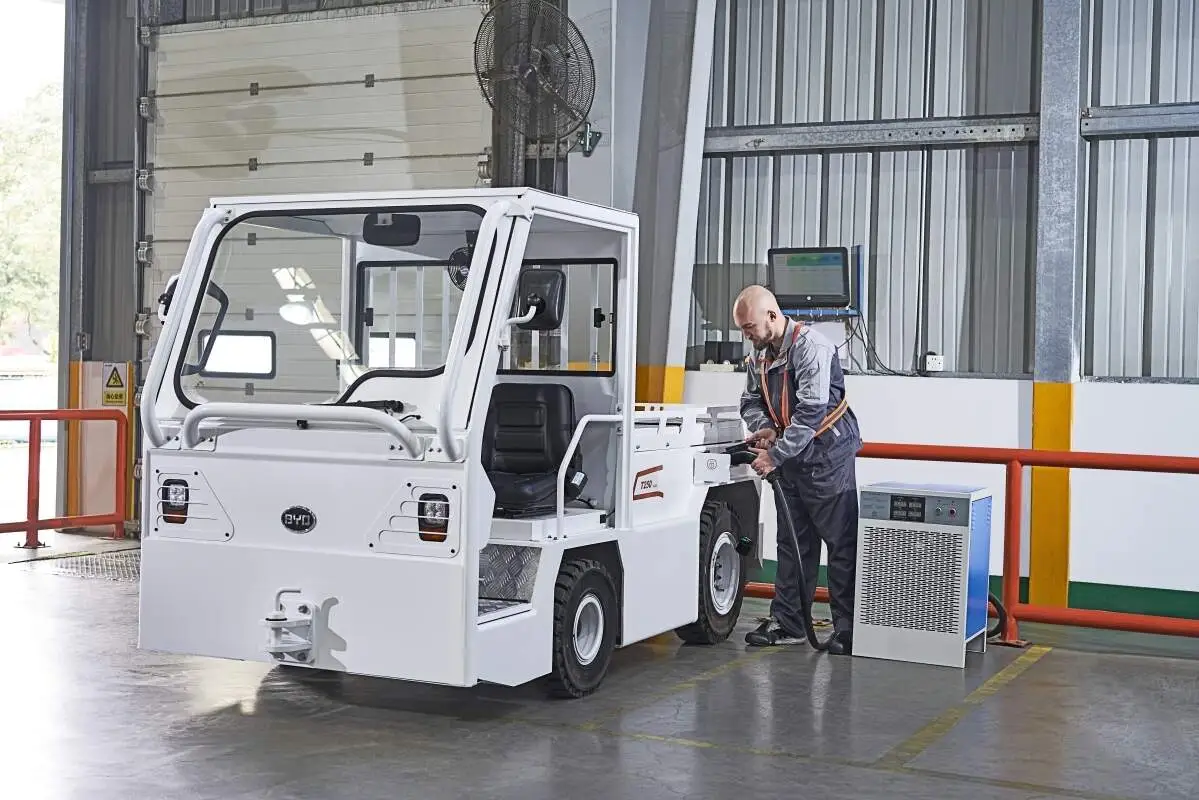
When evaluating electric forklift operating costs, the hourly expense on‑site depends on several concrete variables rather than a fixed number. Understanding these factors helps warehouse and logistics managers make informed, budget‑friendly decisions.
Battery type and charging strategy significantly affect cost. Lithium‑iron‑phosphate batteries, for example, offer faster charging and longer cycle life than traditional lead‑acid alternatives, reducing both electricity consumption and replacement frequency. Opportunity charging during breaks can lower the effective cost per hour by eliminating dedicated battery swapping time. Conversely, lead‑acid batteries require longer charge periods and regular watering, which adds labour and downtime.
Electricity rates vary by region and time of use. A facility operating during peak tariff hours will incur higher costs than one that schedules charging during off‑peak periods. Installing smart chargers that automatically delay charging to low‑rate windows can cut electricity expenses by 15‑30%. Additionally, the actual energy drawn per shift depends on load weight, travel distance, and lift height – heavy‑duty cycles consume more kWh per hour than light warehouse tasks.
Maintenance is another key component. Electric forklifts have fewer moving parts than internal combustion models, so routine servicing costs are generally lower. However, components such as traction motors, controllers, and hydraulic pumps require periodic inspection. Battery maintenance (cleaning terminals, checking electrolyte levels for lead‑acid types) adds to the hourly overhead. A well‑maintained electric forklift can achieve a total hourly cost that is 20‑40% lower than its diesel counterpart over a five‑year period.
Operator behaviour and facility design also influence cost per hour. Smooth acceleration, regenerative braking, and minimising idle time maximise energy efficiency. Poorly maintained floors or steep ramps increase resistance and drain batteries faster. Implementing training programmes and route optimization can reduce hourly energy use by up to 10‑15%.
Finally, the total cost of ownership includes depreciation. A high‑quality electric forklift with a proper battery system may have a higher initial purchase price but a lower hourly cost over its lifespan due to reduced fuel and maintenance expenses. For example, solutions offered by Jianshu New Energy, in cooperation with BYD Forklift, are engineered to deliver low per‑hour operating costs through advanced lithium technology and efficient powertrains.
To accurately calculate your specific hourly cost, consider your site’s duty cycle, local electricity rates, battery type, and maintenance schedule. For tailored advice, contact 17399989919@163.com. Jianshu New Energy provides comprehensive electric forklift solutions including BYD Forklift systems designed to optimise your on‑site energy expenditure. By focusing on these practical factors, you can achieve predictable, low‑cost material handling operations without overstating claims or relying on unverified data.


