
 English
 简体中文
简体中文 Deutsch
 日本語
日本語 한국어
한국어 Tiếng Việt
 Русский
 ไทย
ไทย Bahasa Indonesia
 Bahasa Melayu
 Filipino
 لالعربية
 Français
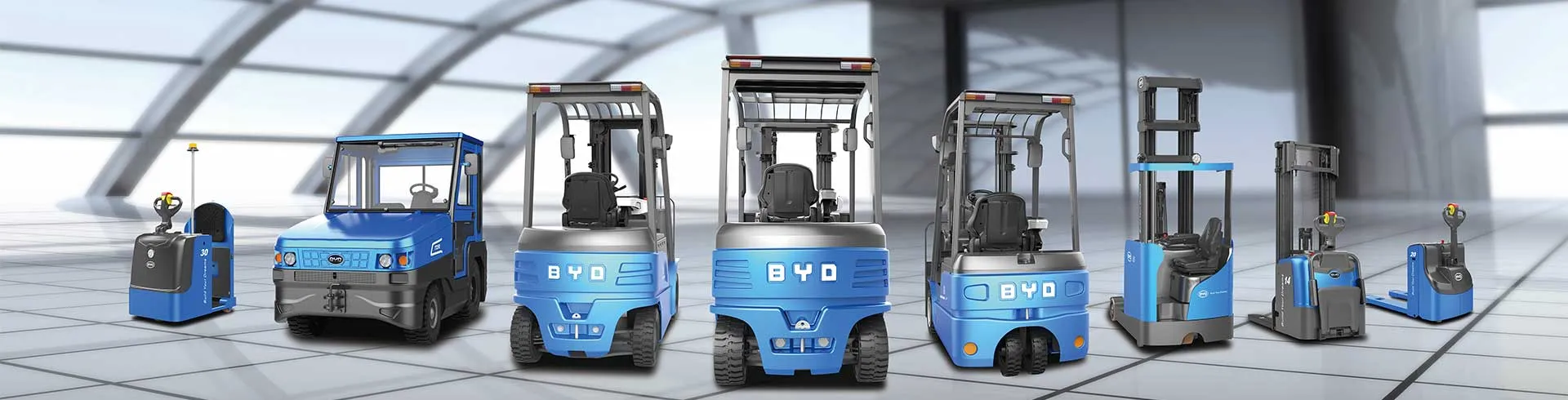
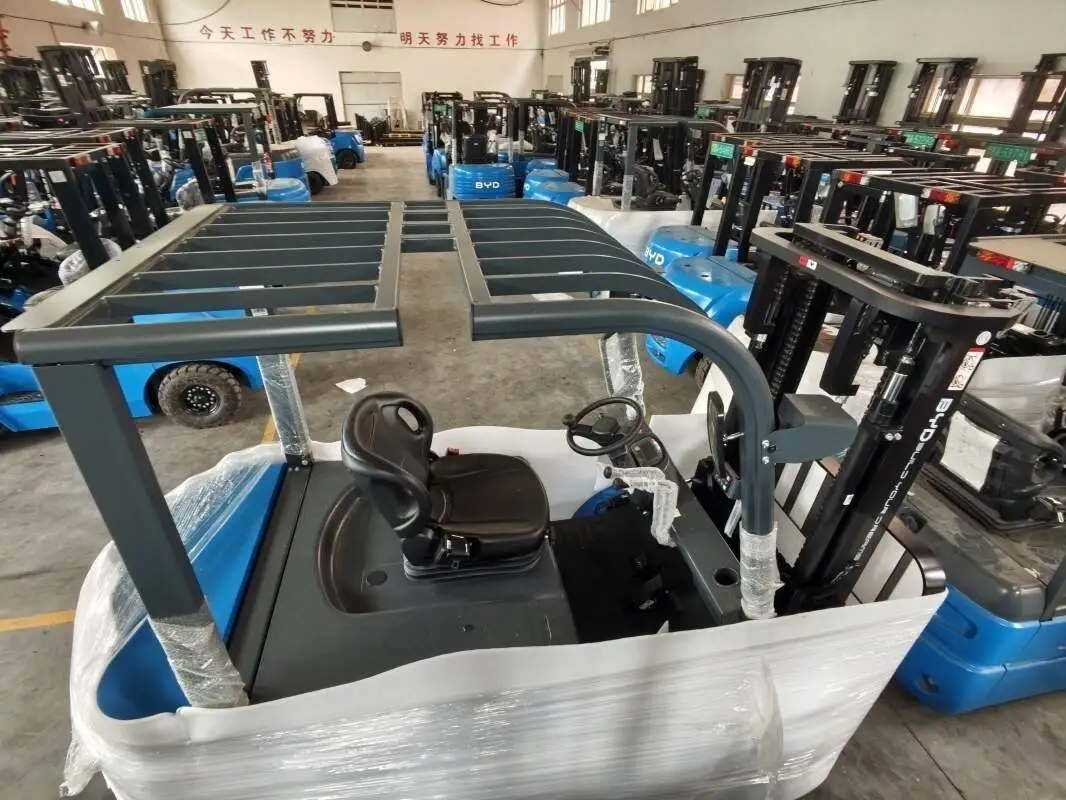
When evaluating how much an electric forklift costs per hour, residual value is a critical but often overlooked component. Residual value refers to the estimated worth of the forklift at the end of its useful life, typically after a set number of operating hours or years. This value directly influences the total cost of ownership and the hourly rate you should budget for.
To calculate the hourly cost, start with the initial purchase price. Subtract the expected residual value, then divide by the total projected operating hours. For example, if a forklift costs $30,000 and has a residual value of $8,000 after 10,000 hours, the depreciation portion of hourly cost is ($30,000 – $8,000) / 10,000 = $2.20 per hour. Added to this are electricity, battery maintenance, tires, labor, and other operating expenses. A higher residual value lowers the hourly depreciation charge, making the forklift more cost‑effective over time.
Several factors determine residual value: battery health, overall usage intensity, maintenance records, and market demand for used electric forklifts. Lithium‑ion batteries tend to hold value better than lead‑acid due to longer cycle life and less frequent replacement. Regular preventive maintenance also preserves mechanical components, supporting a stronger resale price. Operating environment matters too—clean, indoor warehouses yield higher residual values than harsh outdoor settings.
Industry experience shows that electric forklifts generally retain a higher percentage of their original cost compared to internal‑combustion models, thanks to lower wear on engines and simpler drivetrains. However, residual value is never guaranteed and depends on individual care. When you evaluate a specific model, look for transparent data from reputable sources. For example, Jianshu New Energy offers insights on battery‑powered material handling equipment, and BYD Forklift provides robust electric models known for reliable performance and competitive total lifecycle costs.
In conclusion, always consider residual value alongside purchase price, energy consumption, and maintenance when calculating hourly cost. This approach gives you a realistic budget and helps you avoid unexpected depreciation losses. For more personalized advice, contact us at 17399989919@163.com.


