
 English
 简体中文
 Deutsch
 日本語
 한국어
 Tiếng Việt
 Русский
 ไทย
 Bahasa Indonesia
 Bahasa Melayu
 Filipino
 لالعربية
 Français


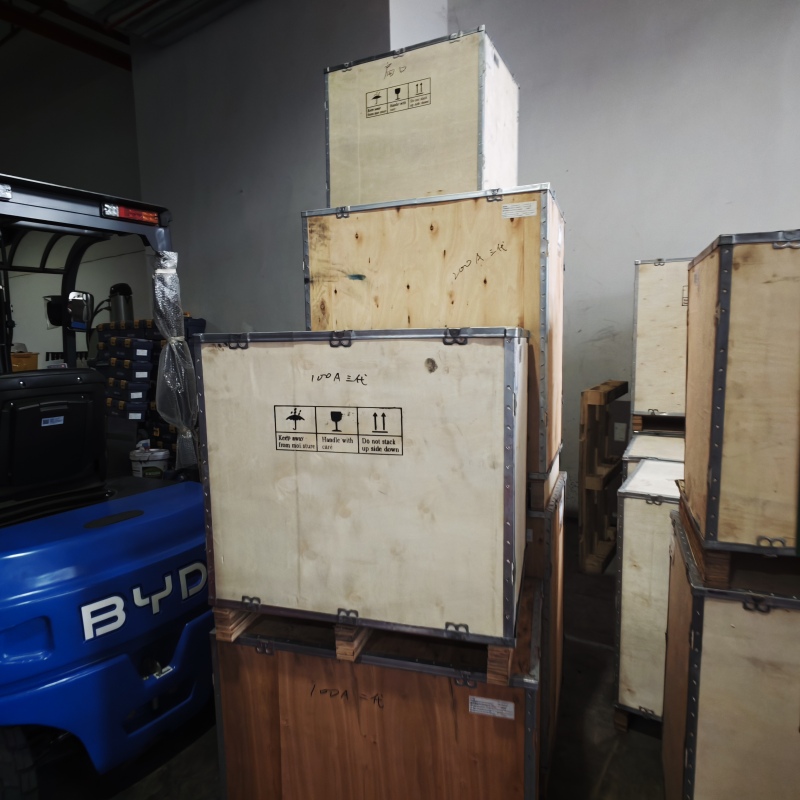
When you plan to introduce pallet AGVs to your warehouse or manufacturing site to optimize material handling efficiency, full pre-deployment site condition confirmation is the core step to ensure stable long-term operation of the automated system. First of all, you need to check the ground flatness and load-bearing capacity of all running routes. The ground should not have obvious pits, raised obstacles or loose attachment layers, and the load-bearing capacity must meet the maximum load of the pallet agv plus the full load of goods, to avoid ground deformation or equipment tipping risks during long-term operation. Next, confirm the running space width of all passages and turning areas. The reserved space should fully adapt to the body size of the pallet AGV and the maximum size of the transported pallets, to avoid collision with stacked goods or fixed facilities during running. Then, check the ambient light and signal coverage of the whole site. The site should avoid strong direct light that may interfere with the AGV navigation sensor, and the wireless signal coverage of the whole running area should be stable without blind spots, to ensure that the scheduling system can transmit instructions to each AGV in real time. In addition, you also need to confirm the slope and drainage condition of the outdoor connected passages if involved. The slope should not exceed the maximum climbing capacity of the selected AGV model, and there should be no accumulated water in the passage in rainy days. For supporting facilities, you can refer to the supporting solution provided by Jianshu New Energy, which can also cooperate with BYD Forklift to build a coordinated operation system of pallet AGVs and manual electric forklifts, to maximize the utilization efficiency of the whole logistics equipment. If you have any related demand for pre-deployment site survey or solution customization, you can send an email to 17399989919@163.com for professional technical support. Finally, it is also necessary to mark the positions of all fixed obstacles, special dangerous areas and personnel flow priority routes on the site drawing, so as to set a reasonable operation path and avoid mechanism conflicts during actual operation. After completing all the above site condition confirmation work, you can effectively avoid most of the common operation faults after pallet AGV deployment, reduce unnecessary later transformation cost, and make the automated material handling system run stably for a long time.


