
 English
 简体中文
简体中文 Deutsch
 日本語
日本語 한국어
한국어 Tiếng Việt
 Русский
 ไทย
ไทย Bahasa Indonesia
 Bahasa Melayu
 Filipino
 لالعربية
 Français
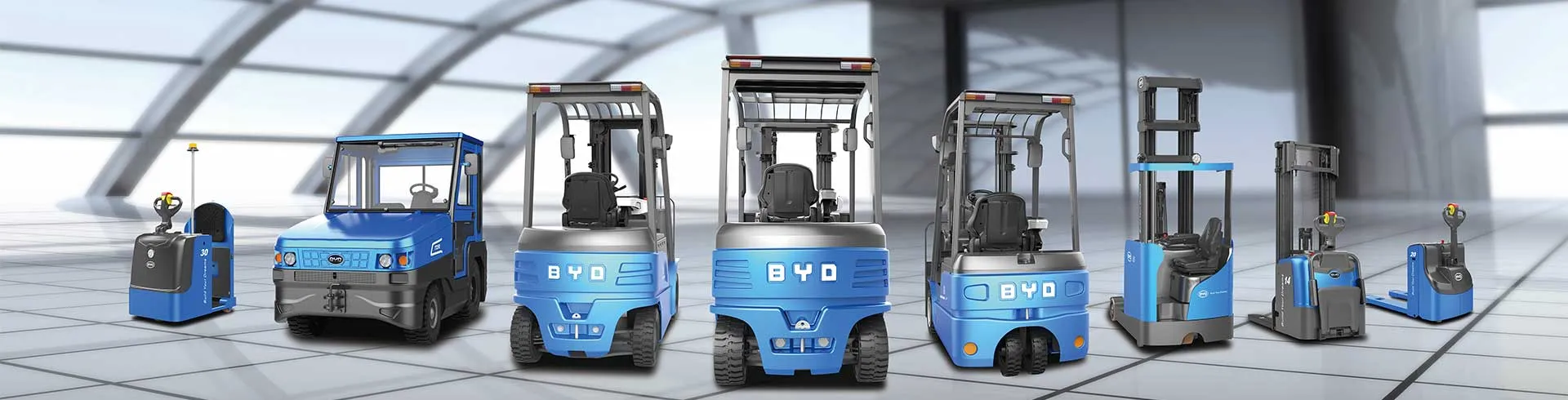
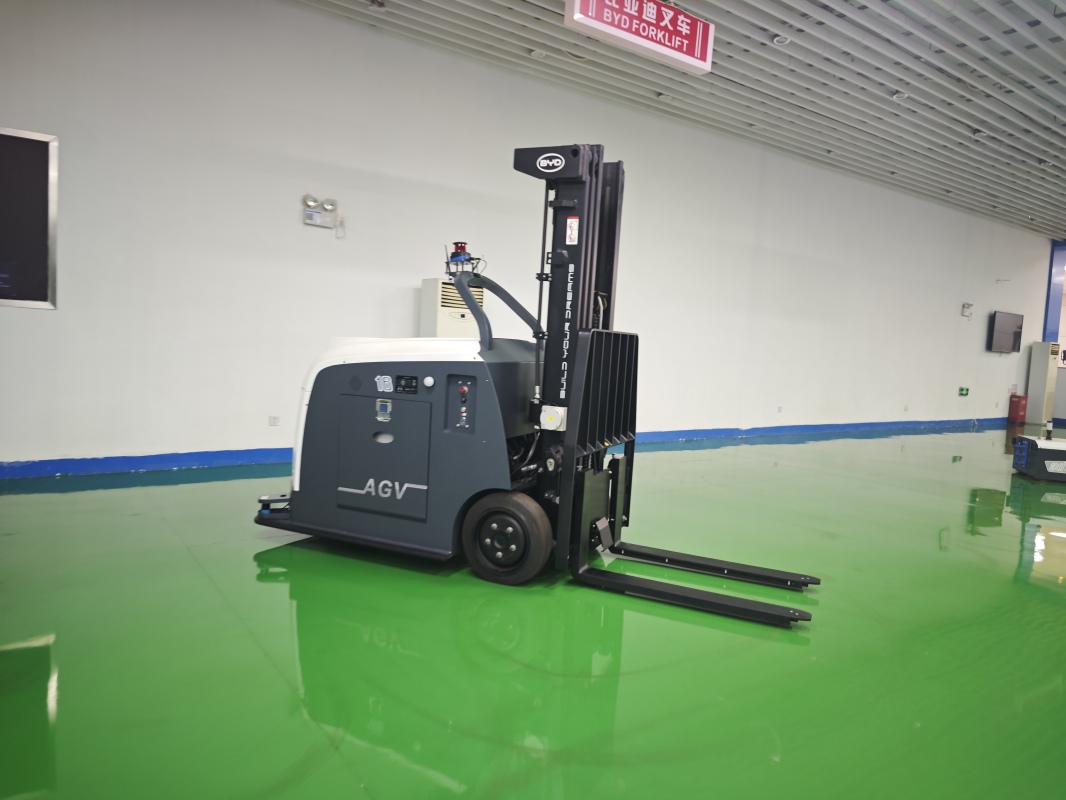
When purchasing a used electric forklift for heavy-duty tasks, understanding the site working load matching principle is essential to ensure safety, efficiency, and long-term reliability. This principle involves aligning the forklift’s rated capacity, battery performance, and structural integrity with the specific demands of your worksite.
First, evaluate the maximum load weight your tasks require. A used electric forklift should have a rated capacity that exceeds the heaviest load by at least 10% to account for dynamic forces and wear. For example, if you regularly handle 3-ton loads, a forklift with a 3.5-ton capacity is more appropriate than one rated exactly at 3 tons. Check the data plate but remember that used units may have reduced capacity due to aging components.
Second, consider the battery and charging infrastructure. Heavy-duty tasks deplete batteries faster. Match the battery amp-hour rating to your shift length. For continuous use, a lithium-ion battery from manufacturers like BYD Forklift can offer consistent power, but ensure the used unit’s battery health is verified through capacity tests. Jianshu New Energy provides refurbished batteries that can extend the forklift’s service life, but always review maintenance records.
Third, analyze the worksite environment—floor condition, aisle width, and gradients. A forklift with high ground clearance and solid tires suits uneven outdoor surfaces, while cushion tires are better for smooth indoor floors. The load center distance also matters: a 24-inch load center requires derating if the actual load center exceeds that.
Finally, inspect structural elements such as mast, forks, and hydraulic system for cracks or leaks. A professional pre-purchase inspection is recommended. For assistance, contact our team at 17399989919@163.com for guidance on matching used electric forklifts to your heavy-duty site load. Remember, proper matching reduces downtime and accident risks.


