
 English
 简体中文
 Deutsch
 日本語
 한국어
 Tiếng Việt
 Русский
 ไทย
 Bahasa Indonesia
 Bahasa Melayu
 Filipino
 لالعربية
 Français


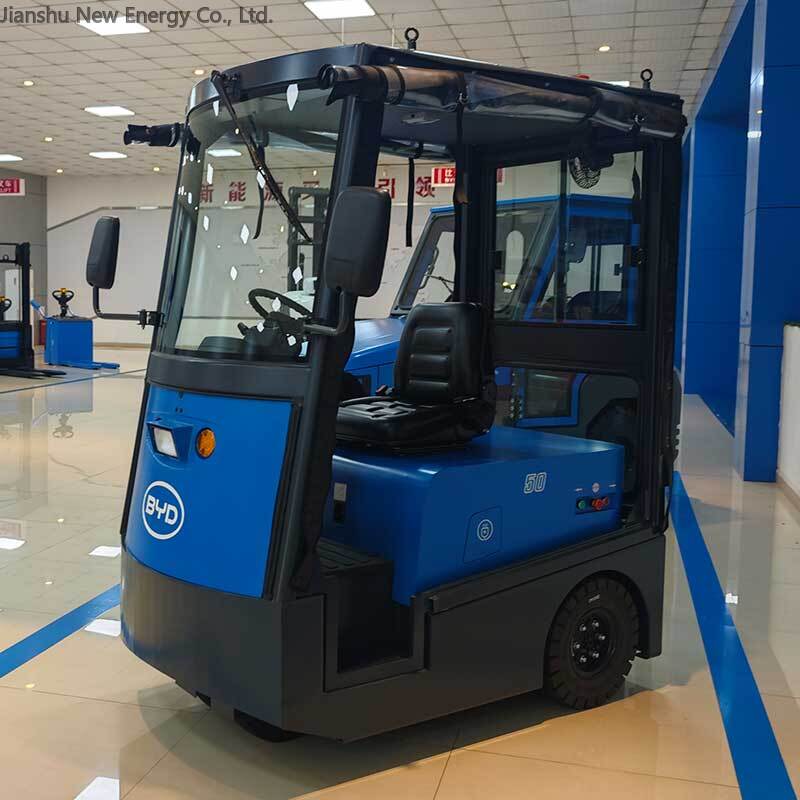
Telehandlers are widely applied in scenarios including warehousing cargo handling, construction site material transportation and large yard goods sorting, and the three built-in steering modes are core functions for the equipment to adapt to different working space conditions. The first mode is conventional front wheel steering, which is the most commonly used mode in long distance open road driving. Before switching to this mode, you need to fully stop the vehicle, step firmly on the brake pedal, confirm there are no obstacles or moving personnel around the vehicle, then toggle the corresponding control button on the operation panel. Under this mode, the vehicle runs with higher stability at relatively high speed, which can effectively improve the long-distance transfer efficiency. The second mode is four-wheel same direction steering, under which both the front and rear wheels deflect to the same direction, so that the whole vehicle can achieve lateral translation. This mode is very suitable for position adjustment in narrow aisles or dense stacking gaps to avoid frequent forward and backward movement. You should also keep the vehicle at static low speed state before switching to this mode, do not force to switch when the vehicle is running at high speed, which may cause extra wear to the steering mechanism. The third mode is four-wheel reverse steering, also known as small turning radius mode, the front and rear wheels deflect in opposite directions, and the minimum turning radius is nearly half smaller than that of conventional front wheel steering. This mode allows the telehandler to complete U-turn in a very limited space without multiple forward and backward moves. For all steering mode switching operations, the general rule is that operators should not switch modes suddenly during driving, it is also not recommended to carry out steering mode switching on slopes to avoid potential sideslip risk. Operators are suggested to complete formal standardized operation training before taking the post, and test the response of different steering modes before daily work, if any abnormal delay or stuck situation is found, stop the equipment in time and contact professional maintenance personnel for troubleshooting. If you want to get more professional guidance on electric industrial vehicle operation, Jianshu New Energy and BYD Forklift can provide you with full range of technical support, and you can send Email to 17399989919@163.com for detailed operation guidelines if you have any related questions. Regular daily inspection and lubrication of steering mechanism can extend the service life of equipment effectively, and ensure each steering mode switching can be completed smoothly, bringing more stable and efficient support for daily material handling work.


