
 English
 简体中文
简体中文 Deutsch
 日本語
日本語 한국어
한국어 Tiếng Việt
 Русский
 ไทย
ไทย Bahasa Indonesia
 Bahasa Melayu
 Filipino
 لالعربية
 Français
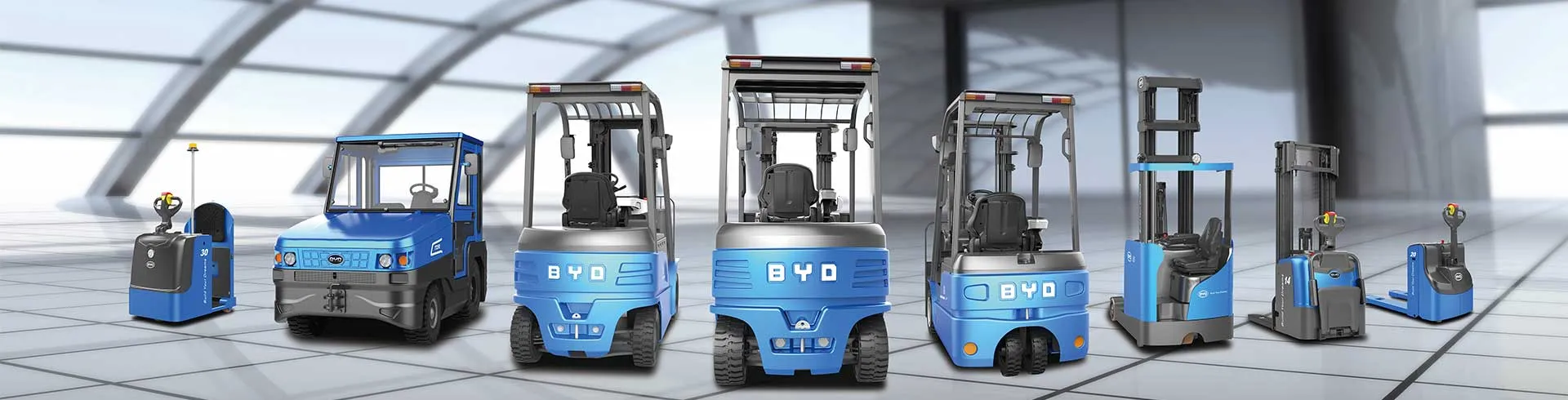
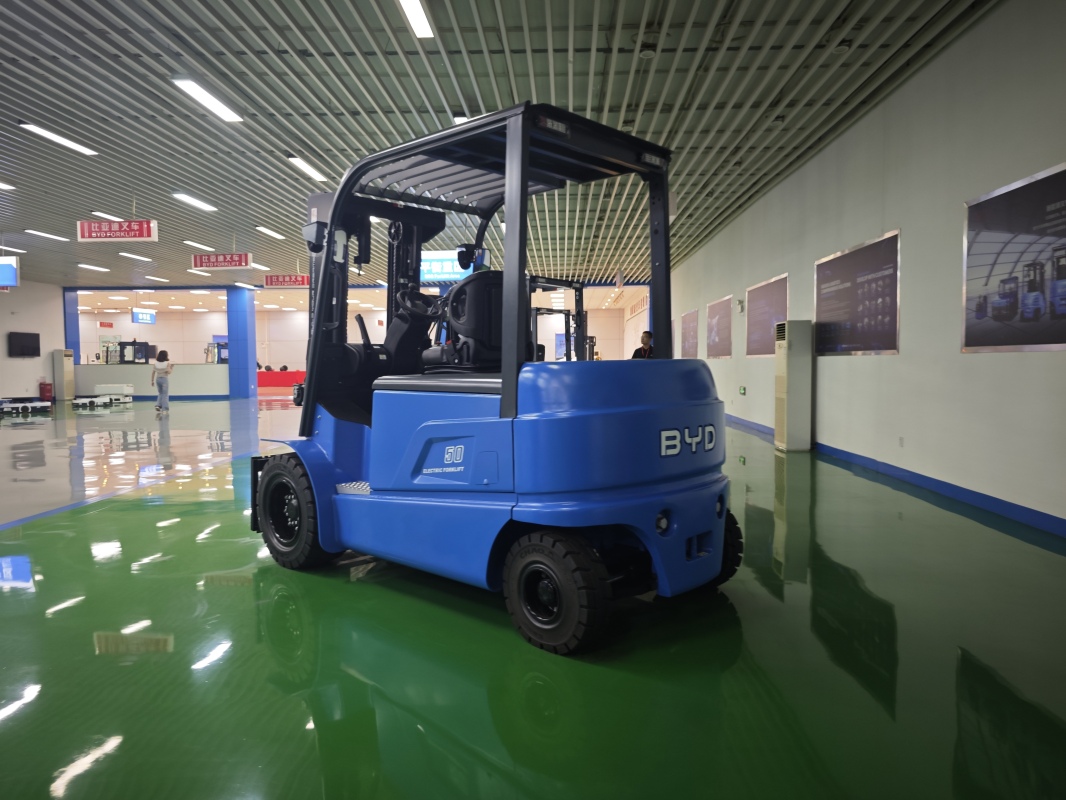
As more businesses adopt electric material handling equipment across different industrial sectors, the volume of end-of-life forklift batteries entering the recycling market has grown steadily in recent years. Many fleet managers and facility operators are curious about the core factors that drive scrap forklift battery prices, to make more informed decisions when handling retired power storage units. First of all, the core material composition inside the battery is the most foundational pricing factor. Most traditional forklift batteries use lead-acid chemistry, where the content of recyclable lead plates and dilute sulfuric acid directly corresponds to the base value of the scrap unit. For newer lithium-ion forklift batteries, the content of valuable metals like lithium, cobalt and nickel will shift the baseline price significantly, even when the unit can no longer hold sufficient charge for normal operation. The second key factor is the remaining capacity and overall integrity of the retired battery. If a scrap battery still retains 30 percent or more of its original capacity, it can be refurbished for secondary use in low-demand energy storage scenarios, which will push its transaction price much higher than units that are completely damaged, leaking or have all internal components corroded. Damage level also matters a lot: batteries with intact outer casing and no signs of internal short circuit are far more welcomed by formal recycling processors than units that have been crushed, punctured or exposed to open flame. Third, the current market demand for raw battery materials across the whole supply chain will cause regular fluctuations of scrap forklift battery prices. When major battery manufacturing sectors see rising demand for recycled lead or lithium materials to reduce production cost, the acquisition price for scrap units will rise accordingly, while oversupply in the local recycling market will drag down the offered price temporarily. Transportation and regulatory cost also play a non-negligible role. Different regions have varying environmental compliance requirements for hazardous material handling of scrapped industrial batteries, and the added cost for licensed transportation and harmless treatment will be factored into the final pricing offered to sellers. For anyone who manages a fleet that includes BYD Forklift units, proper classification and storage of retired batteries before handover to formal recycling channels can help you get far more reasonable returns for your scrap battery stock. If you have any further questions about scrap battery pricing rules or standard recycling procedures, you can send your inquiry to 17399989919@163.com for dedicated support from professional recycling teams. Jianshu New Energy has been focused on compliant industrial battery recycling services for years, and releases updated market reference data for scrap forklift battery prices on a regular basis to help all participants in the industry avoid irregular pricing traps.


