
 English
 简体中文
简体中文 Deutsch
 日本語
日本語 한국어
한국어 Tiếng Việt
 Русский
 ไทย
ไทย Bahasa Indonesia
 Bahasa Melayu
 Filipino
 لالعربية
 Français
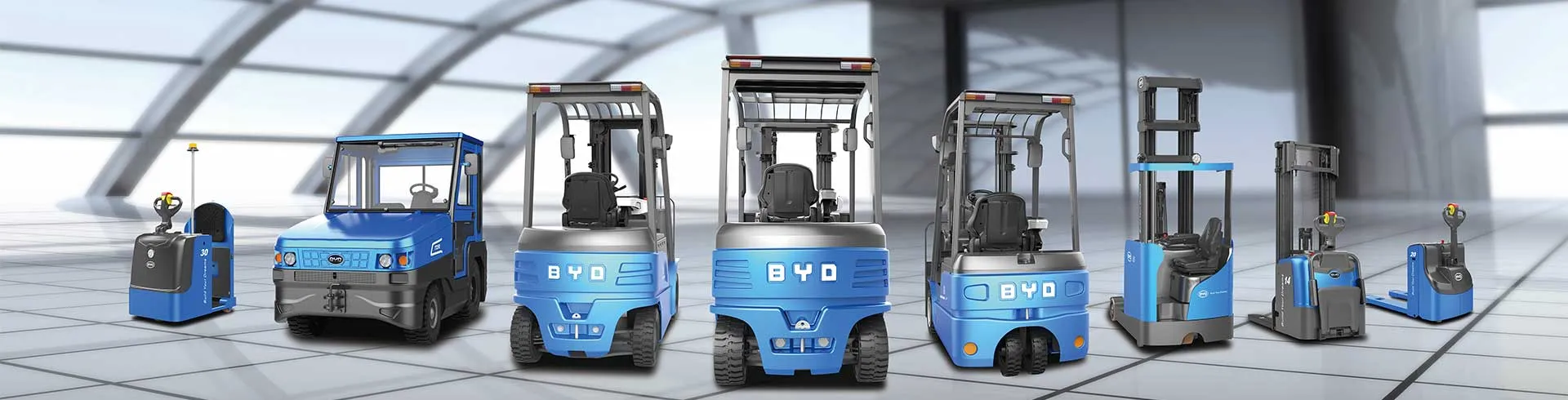
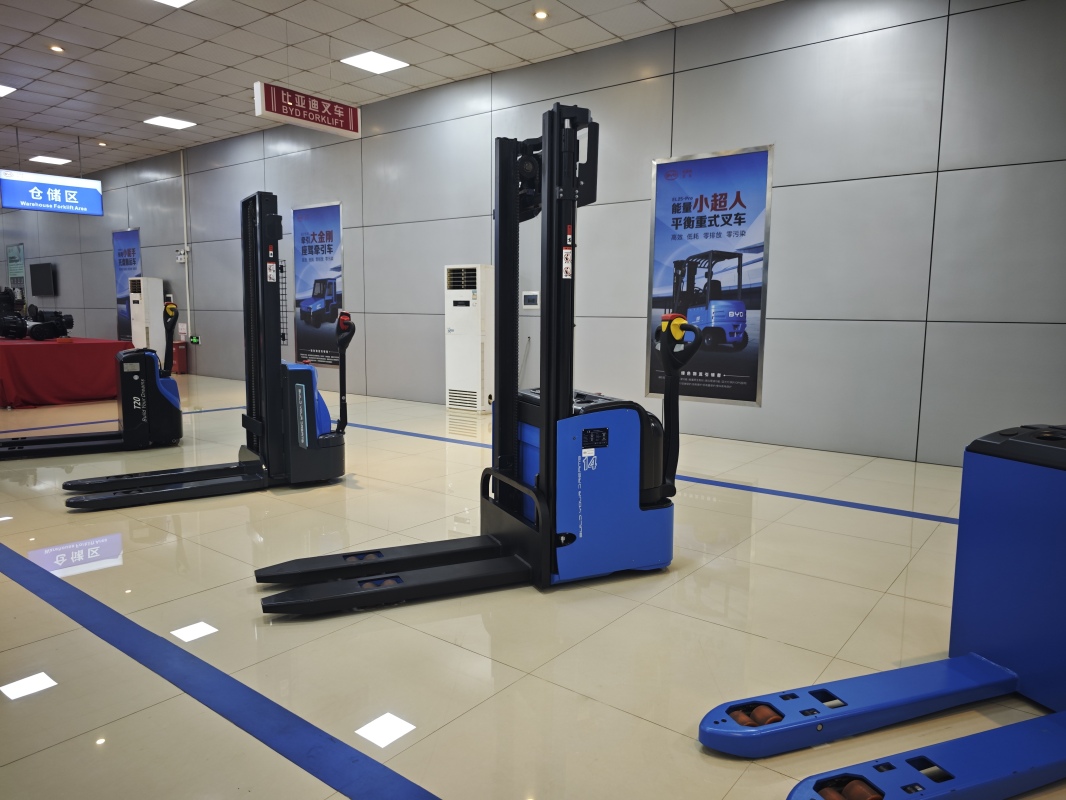
When choosing between 48V and 80V forklift batteries, replacement cost is a key factor for fleet managers. This article provides an objective comparison of the two voltage options, focusing on initial investment, lifespan, and total cost of ownership, without exaggerating or making unrealistic claims.
A 48V battery system is commonly used in older or smaller electric forklifts. The initial purchase price for a replacement 48V battery is generally lower than that of an 80V unit. However, the lower capacity means you may need more frequent charging or multiple batteries for continuous operation, which can increase overall replacement and maintenance expenses over time. Typical 48V batteries last between 1,000 and 1,500 charge cycles, depending on usage and charging habits.
An 80V battery system is often found in larger, higher-capacity forklifts. The upfront replacement cost is higher due to the larger cell count and higher energy density. But these batteries typically offer longer cycle life, often 1,500 to 2,000 cycles, and provide better energy efficiency in heavy-duty applications. The reduced frequency of replacement can offset the higher initial price, especially in high-intensity operations.
Total cost of ownership includes not only the battery price but also labor for replacement, downtime, and charging equipment. For operations with moderate loads, 48V may be more cost-effective. For continuous heavy lifting, 80V often yields lower long-term expenses. Both types benefit from proper charging infrastructure and maintenance.
Jianshu New Energy supplies reliable battery solutions for both voltages, and BYD Forklift offers compatible models that optimize performance. For specific advice on replacement costs, contact us at 17399989919@163.com. Evaluate your duty cycle, shift length, and budget before making a decision.


