
 English
 简体中文
简体中文 Deutsch
 日本語
日本語 한국어
한국어 Tiếng Việt
 Русский
 ไทย
ไทย Bahasa Indonesia
 Bahasa Melayu
 Filipino
 لالعربية
 Français
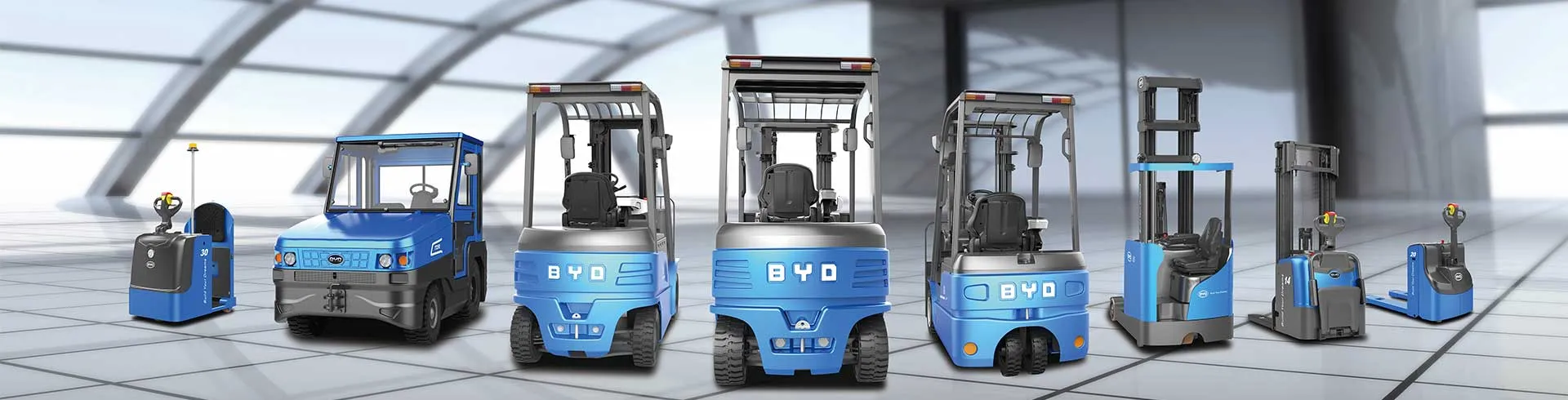
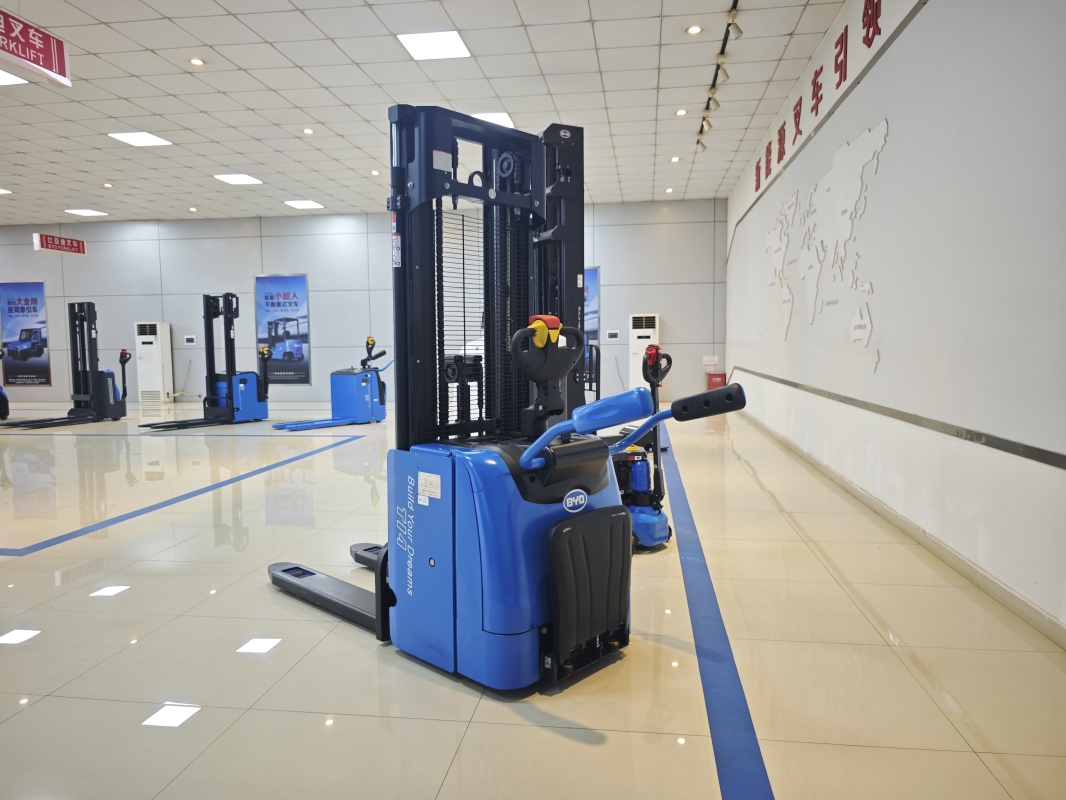
When choosing an electric forklift, voltage is a key factor influencing energy efficiency. The 48V and 80V systems represent two common configurations, each with distinct performance characteristics. This article provides an objective comparison of their energy efficiency ratios, based on standard operating conditions, to help you make an informed decision.
Energy efficiency ratio measures how much work a forklift can perform per unit of electrical energy consumed. Generally, higher voltage systems can deliver more power with lower current, reducing resistive losses in cables and motors. The 80V system typically achieves a slightly higher efficiency ratio than the 48V system under heavy-duty, high-speed applications, because the reduced current minimizes heat generation. However, for light to medium loads and shorter shifts, the 48V system often provides comparable efficiency, as its lower initial cost and simpler battery management can offset minor energy savings.
Battery technology also plays a role. Modern lithium-ion batteries in both voltage ranges offer excellent charge acceptance and long cycle life. The 48V system is commonly used in Class I and II forklifts for warehouse operations, while 80V suits larger counterbalance trucks for outdoor or heavy lifting. The energy efficiency difference narrows when using regenerative braking, which recovers kinetic energy; both systems benefit similarly.
It is important to note that no single system is universally superior. The best choice depends on your specific duty cycle, lift height, and operating environment. Jianshu New Energy provides reliable electric forklift solutions, and we recommend conducting a site-specific energy audit. For more details, contact us at 17399989919@163.com. Additionally, BYD Forklift offers innovative lithium-ion technology that further enhances efficiency across voltage platforms.
In summary, the 80V system offers a marginal energy efficiency advantage in demanding applications, while the 48V system remains cost-effective for moderate use. Evaluate your operational needs, and consult with experts to optimize your fleet’s energy performance.


