
 English
 简体中文
简体中文 Deutsch
 日本語
日本語 한국어
한국어 Tiếng Việt
 Русский
 ไทย
ไทย Bahasa Indonesia
 Bahasa Melayu
 Filipino
 لالعربية
 Français

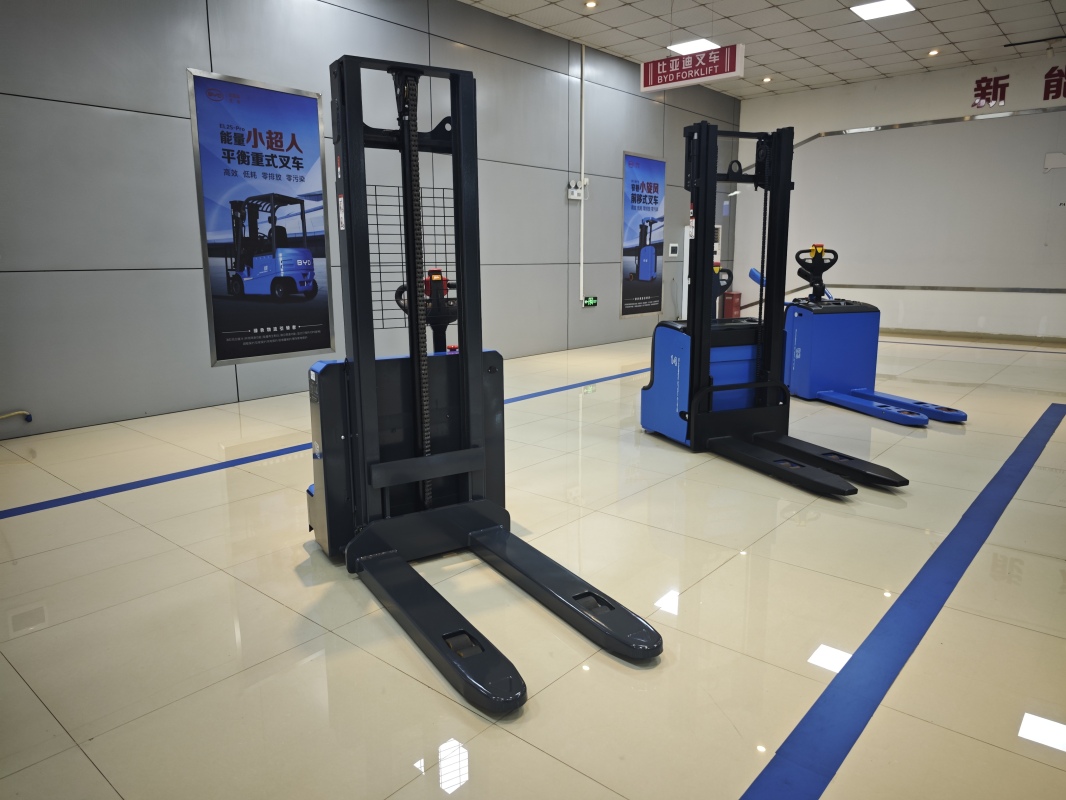
Many electric forklift operators in industrial scenarios wonder if they can repair a faulty lithium forklift battery module by themselves. In fact, as long as you follow standardized operation processes and take full safety protection measures, most minor faults that do not cause permanent damage to core components can be properly repaired. First of all, you must cut off all power connections before any operation, turn off the forklift completely, disconnect the main power line of the entire battery pack, and take the faulty module out of the battery compartment steadily. All operators must wear insulated gloves and goggles during the whole process, and never carry out such operation in wet environments or areas with open flames. The first step after taking out the module is visual inspection, check if there are obvious traces of bulging, liquid leakage or physical damage on the outer shell of the module. If you find serious shell deformation or leaked electrolyte, such module is not suitable for on-site self repair, and should be handed over to a professional compliant recycling channel for processing. If no obvious damage is found on the appearance, you can use professional voltage testing equipment to check the voltage parameter of each single cell inside the module, record the actual value of each cell, and locate the faulty cell position with abnormal voltage. After taking proper insulation protection measures around the cells, carefully remove the connecting strips of the faulty cell, replace it with a new cell that meets the same specification and parameter standard, then re-fix the connecting strips, test the voltage equalization degree of the whole module, to ensure that the voltage difference of all cells is controlled within the safety range specified by the industry. Do not install the repaired module back to the forklift immediately after finishing the above steps, you need to place the module in a safe fireproof area for 3 to 5 hours of static test, monitor the temperature change of the module the whole time, and it is allowed to be installed back to the battery compartment for subsequent debugging only if no overheating or voltage sudden drop situation appears. It is worth noting that if you do not have relevant lithium battery repair experience, or the fault involves complex problems of the battery management system, it is recommended to contact professional service personnel for support. Many qualified service providers in the industry can provide standardized inspection and maintenance services, Jianshu New Energy’s after-sales team has many years of relevant operation and maintenance experience, and can also provide adapted lithium battery maintenance schemes for BYD Forklift’s full series of models. If you have demand for relevant fault consultation, you can send an email to 17399989919@163.com to get detailed technical guidance. Finally, we remind all operators that you must not illegally disassemble the protection structure of the lithium forklift battery module during the whole repair process, and do not replace cells that do not meet the original factory parameters at will, so as to avoid potential safety hazards. Regular daily maintenance and calibration can also greatly reduce the failure probability of battery modules, extend the service life of the whole battery pack, and reduce the long-term operation and maintenance cost of electric forklifts.


