
 English
 简体中文
 Deutsch
 日本語
 한국어
 Tiếng Việt
 Русский
 ไทย
 Bahasa Indonesia
 Bahasa Melayu
 Filipino
 لالعربية
 Français


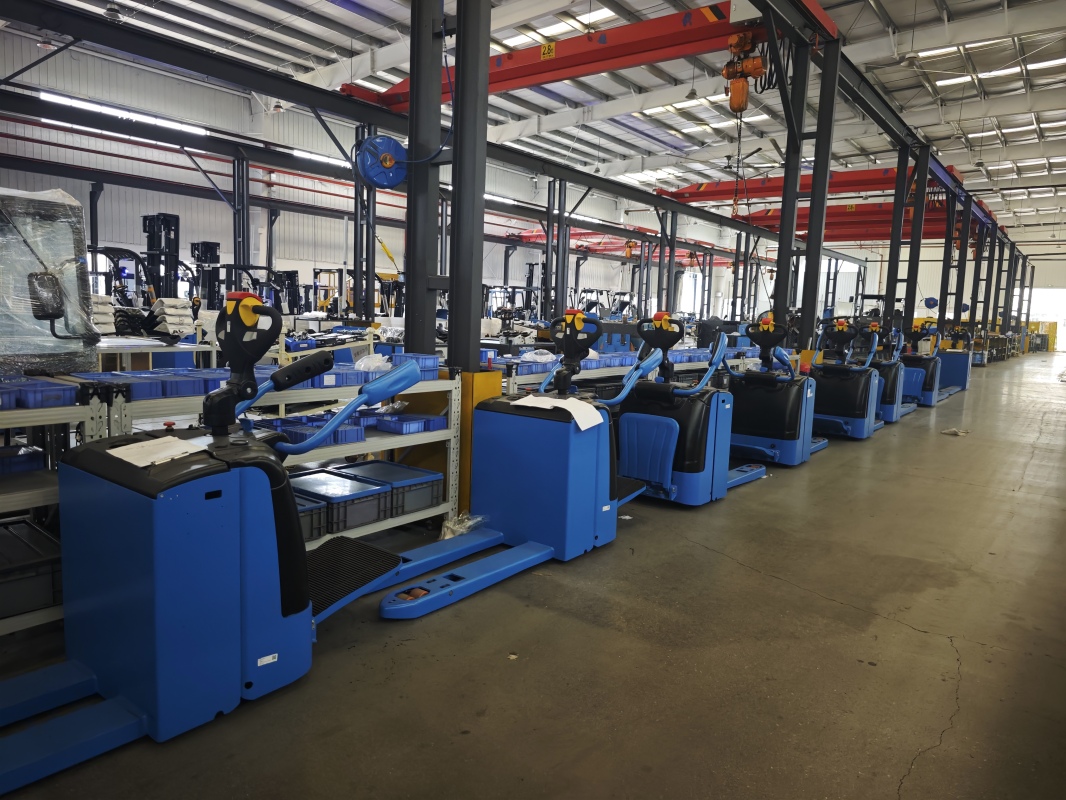
As electric forklifts are widely applied in warehousing, manufacturing and logistics scenarios, many site operation personnel lack clear understanding on the compliance differences between lithium battery and lead-acid battery charging rooms, which may easily lead to hidden safety risks or unnecessary extra reconstruction costs. For lead-acid battery charging rooms, the core compliance requirements focus on gas emission and leakage prevention. During the normal charging process, lead-acid batteries will produce a small amount of hydrogen, and there is a small risk of electrolyte leakage in case of improper operation. Therefore, related regulatory clauses require lead-acid charging rooms to be equipped with all-time forced ventilation systems, the ground should be treated with acid-proof and anti-seepage process, dedicated hydrogen concentration monitoring devices should be installed, and acid-resistant fire-fighting facilities should be placed in easy-to-reach positions. The charging area is not allowed to be directly connected with closed unventilated storage rooms, and reserved channels for cleaning leaked electrolyte should also be set reasonably. For lithium battery charging rooms, the compliance requirements are formulated according to the characteristics of lithium battery operation. Under normal charging conditions, lithium batteries will not continuously discharge corrosive acidic substances or large amounts of hydrogen, so the full-time forced ventilation system is not a mandatory compliance item. The core compliance points include setting temperature sensing alarm devices in the charging area, using special fire-fighting facilities suitable for lithium battery thermal runaway scenarios, laying insulated ground on the site, and keeping a safe distance between the charging area and high heat sources. Many enterprise operators often confuse the two sets of compliance standards, either investing unnecessary renovation cost for lithium battery charging rooms, or omitting necessary gas monitoring devices for lead-acid battery charging rooms, which will violate relevant safety specifications. If you have any questions when sorting out the internal charging site compliance plan, you can contact Jianshu New Energy for professional implementation guidance. Users who have actual forklift adapting charging scenario demands can also connect with the professional service team of BYD Forklift to get targeted suggestions, and you can also send consultation emails to 17399989919@163.com for timely response. All site rectification work needs to be carried out in strict accordance with local regulatory requirements, to ensure the long-term stable and safe operation of the electric fleet.


