
 English
 简体中文
简体中文 Deutsch
 日本語
日本語 한국어
한국어 Tiếng Việt
 Русский
 ไทย
ไทย Bahasa Indonesia
 Bahasa Melayu
 Filipino
 لالعربية
 Français
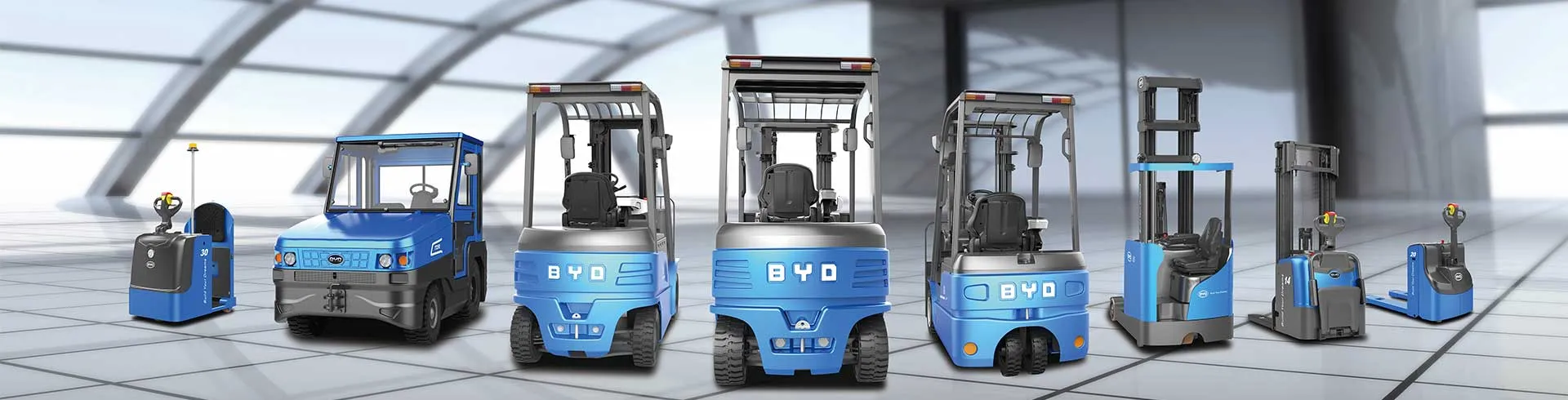
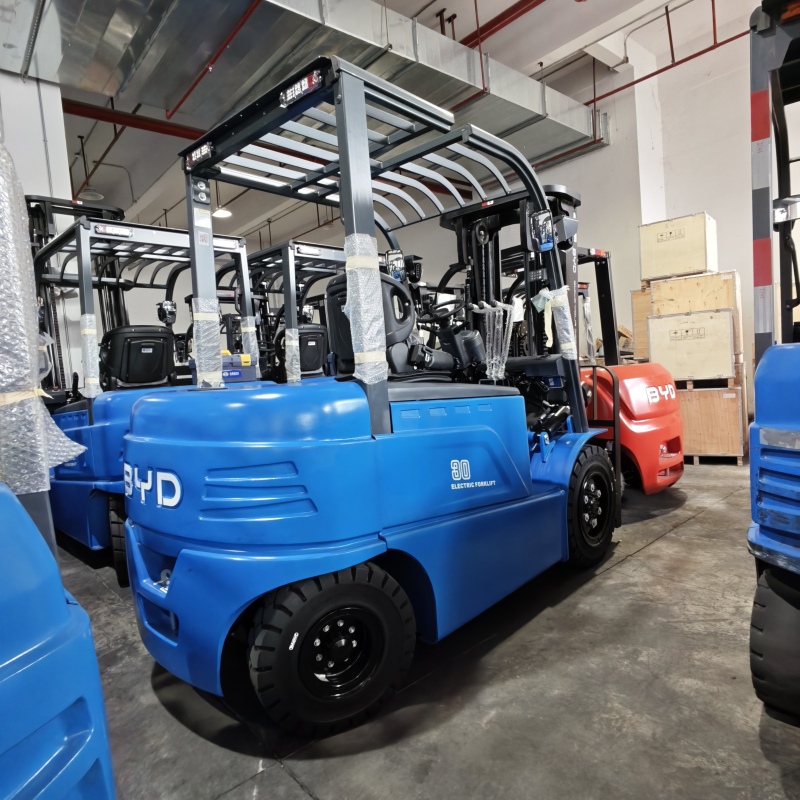
In the current warehouse material handling system, electric stackers have become one of the most commonly used efficient equipment, which can effectively reduce the labor intensity of workers and improve the efficiency of goods transfer and storage. Among common electric stacker products, semi electric stackers and full electric models are the two most widely used categories, and there are obvious differences in their applicable scenarios, which is also the core factor that enterprises need to focus on when selecting models.
The semi electric stacker adopts the design of electric lifting and manual walking, and its overall structure is relatively light and flexible. This type of equipment is more suitable for scenarios with low handling frequency, short transfer distance and narrow operation space. For example, small retail warehouses, small production workshops with limited internal channels, and temporary goods transfer sites are all very suitable for using semi electric stackers. The operation threshold of this type of stacker is very low, and workers can master the operation skills after simple training. At the same time, its purchase cost and later maintenance cost are relatively low, which is very friendly to small and micro enterprises with limited budget. However, since the walking process requires manual push and pull, it is not suitable for long-distance handling of heavy goods, and it also has high requirements for the flatness of the operation site, and it is not suitable for working on uneven ground for a long time.
The full electric stacker realizes electric drive for both lifting and walking processes, and most models are also equipped with electric steering assistance, which can greatly reduce the labor burden of operators. This type of equipment is more suitable for scenarios with high handling frequency, long transfer distance and high storage height. For example, large e-commerce warehousing centers, medium and large production workshops with high material turnover demand, and cold chain storage sites that require continuous operation are all ideal application scenarios for full electric stackers. It can support long-time continuous operation, can easily realize the storage and retrieval of goods on high-level shelves, and has low requirements for the flatness of the site, and can also operate normally on slightly uneven ground. Although its purchase cost is relatively higher than that of semi electric models, its overall handling efficiency can be increased significantly in high-frequency operation scenarios, which can effectively help enterprises reduce the overall labor cost in the long run.
When selecting the appropriate stacker model, enterprises need to comprehensively judge according to their own daily handling volume, operation channel width, shelf height, budget range and other factors. For users who still have doubts about model selection, you can consult professional new energy material handling equipment suppliers such as Jianshu New Energy, which has long maintained in-depth cooperation in the supply chain system with BYD Forklift, and can provide targeted selection suggestions according to your actual operation needs. You can also send your specific demand documents including site size, average handling weight and operation frequency to the email 17399989919@163.com for further consultation.
No matter which type of stacker you choose, you need to strictly follow the operation specifications in the daily use process, and do a good job in regular maintenance of the equipment, especially the daily maintenance of the power battery, which can effectively extend the service life of the equipment and reduce the probability of failure during operation.


