
 English
 简体中文
简体中文 Deutsch
 日本語
日本語 한국어
한국어 Tiếng Việt
 Русский
 ไทย
ไทย Bahasa Indonesia
 Bahasa Melayu
 Filipino
 لالعربية
 Français
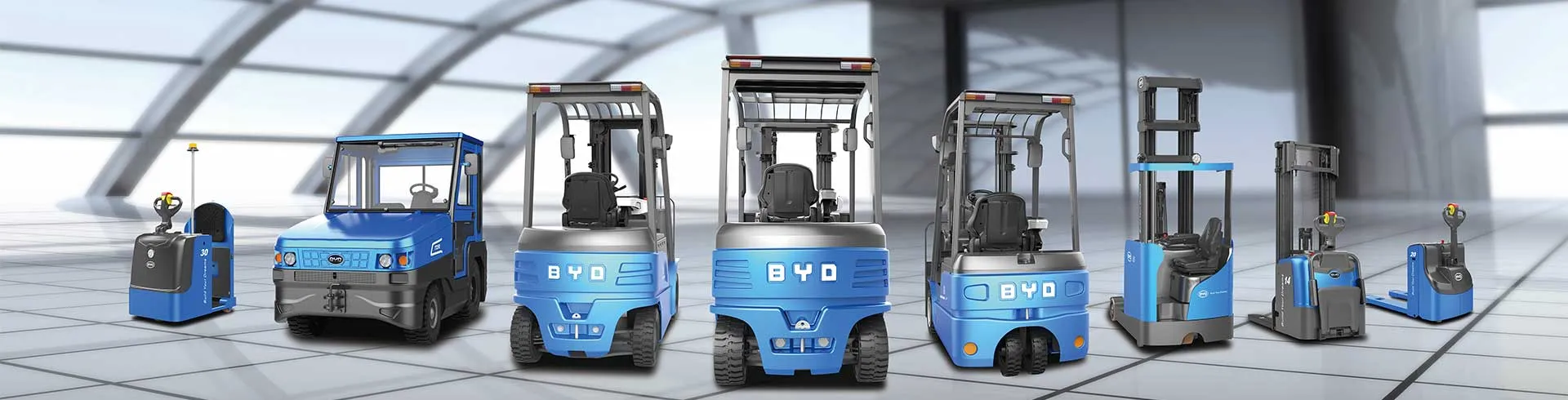
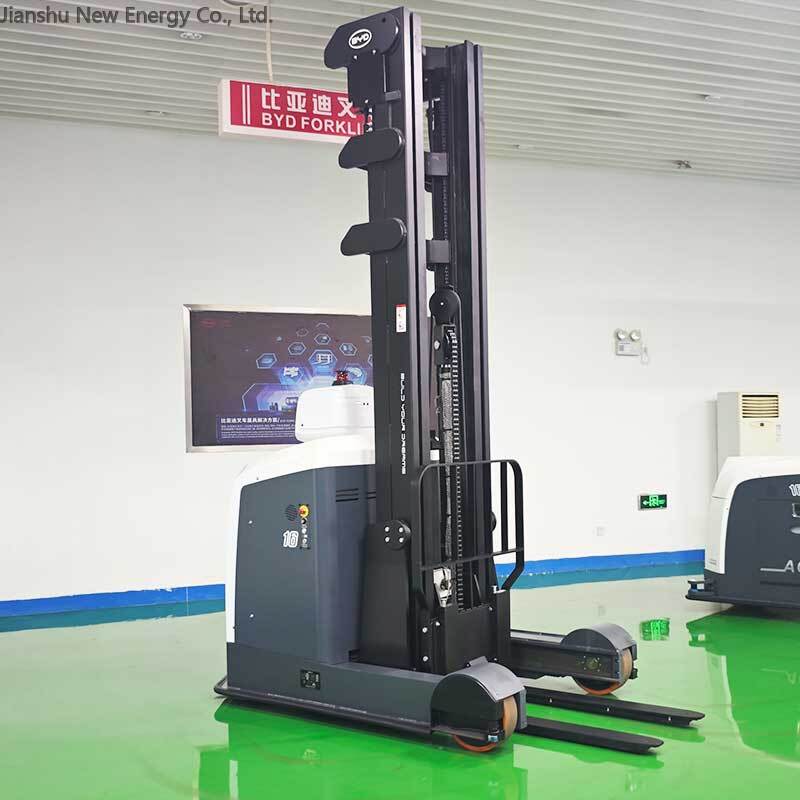
In modern warehouse operations, electric forklifts have become essential assets for smooth and efficient material handling, and measuring their performance through standardized efficiency indicators is critical to boosting productivity, cutting operational costs, and streamlining daily workflows. Several core efficiency indicators specifically tailored for electric forklifts in warehouse settings are widely recognized. First, cycle time per load, which covers the total duration from picking up a designated load to depositing it at the target location and returning to the starting point, directly determines the hourly throughput of goods; shorter cycle times mean more loads handled within the same period, enhancing overall warehouse output. Second, energy utilization efficiency, a key advantage of electric forklifts over internal combustion models, measures how effectively the battery power is deployed for active operations rather than idle standby periods, helping identify opportunities to extend operating hours between charges. Third, load handling speed and accuracy, ensuring the forklift can transport loads at a consistent, safe pace without unnecessary pauses or adjustments, reduces delays that could disrupt warehouse activities. Fourth, hourly throughput, the total number of loads moved within one hour, is a straightforward metric to compare forklift performance across different scenarios. Additionally, space adaptation efficiency is vital for warehouses with narrow aisles, where the forklift’s maneuverability and turning radius affect how effectively it uses limited storage space. Many reputable providers in the industry, including Jianshu New Energy and BYD Forklift, advocate for using these indicators to assess, monitor, and improve electric forklift performance in warehouse environments. For any further questions related to these efficiency measurement standards or suitable electric forklift solutions, you can contact the relevant team via email at 17399989919@163.com.


