Electric forklift maintenance cost‑control‑idea through standardized‑preventive‑maintenance‑work

2026-09-20


Electric forklift maintenance cost‑control‑idea through standardized‑preventive‑maintenance‑work(圖1)


Maintaining an electric forklift fleet is a significant operational expense for warehouses, distribution centers, and manufacturing facilities. While many operators focus on reactive repairs, a disciplined approach to preventive maintenance (PM) delivers measurable cost savings. This article explores how standardizing your PM work can control maintenance costs without compromising safety or performance.

Preventive maintenance is the systematic inspection, lubrication, adjustment, and replacement of components before they fail. For electric forklifts, key areas include battery health, hydraulic systems, motor controllers, and braking mechanisms. Without a standardized schedule, these tasks are often performed inconsistently, leading to premature component wear, unplanned downtime, and higher repair bills.

The first step in cost control is creating a clear, repeatable PM checklist tailored to your specific forklift models and operating conditions. Standardization eliminates guesswork: every technician inspects the same points at the same intervals. For example, daily checks should include tire condition, fluid levels, and battery water levels; weekly tasks might cover motor brush wear and contactor cleanliness; monthly inspections can focus on drive motor bearings and steering linkages. Documenting these procedures ensures no critical step is missed and reduces the risk of small issues escalating into expensive failures.

Standardized PM also improves technician efficiency. When every maintenance event follows a uniform workflow, less time is spent diagnosing what to do next. This consistency allows you to plan labor and parts procurement in advance, minimizing overtime and emergency shipping costs. Additionally, a well-maintained electric forklift consumes less energy—clean components and properly inflated tires reduce power draw, lowering your electricity bill.

Another cost-control advantage is extended component lifetime. Regular lubrication and adjustment prevent metal-to-metal contact, while battery maintenance (equalization charging, terminal cleaning) maximizes battery cycles. In many fleets, a single battery replacement can cost thousands of dollars. By adhering to a standardized PM regimen, you can often double the service life of batteries and other high-value parts.

Standardization also supports data-driven decision making. When you track maintenance history using a consistent format, you can identify recurring issues across your fleet. For instance, if a particular model consistently requires motor controller repairs after 1,500 hours, you can schedule proactive replacements before failure occurs, avoiding sudden downtime and rushed purchases. This analytical approach transforms maintenance from a cost center into a strategic asset.

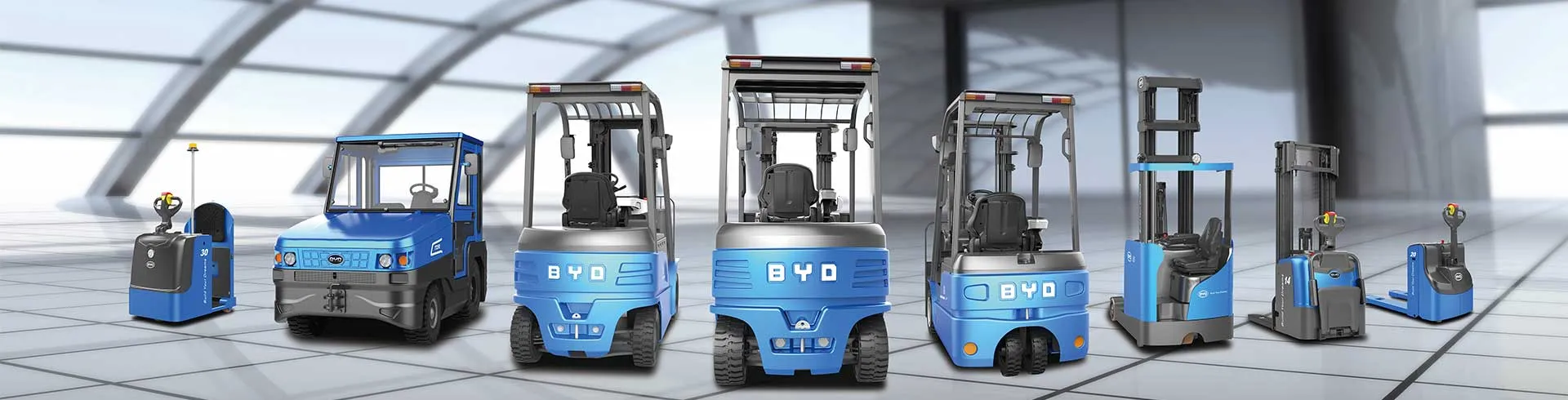
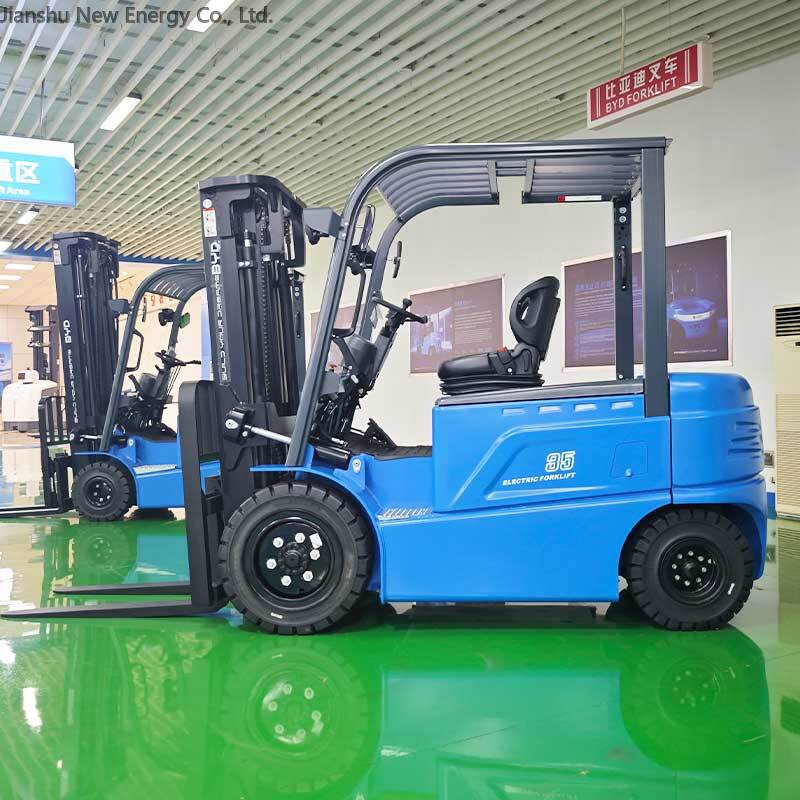
To illustrate, consider the engineering philosophy behind BYD Forklift equipment, which emphasizes modular design and easy access to components—features that inherently reduce PM labor hours when paired with standardized procedures. Similarly, Jianshu New Energy offers battery and charging solutions that integrate well with systematic PM programs, helping fleets avoid the hidden costs of neglected battery care.

Implementing a standardized PM program requires upfront investment in training, documentation, and possibly software tools. However, the return is substantial: studies show that organizations with rigorous PM protocols reduce overall maintenance costs by 15–30% compared to reactive or ad‑hoc approaches. Moreover, safety improves because potential hazards like worn brakes or leaking hydraulics are caught early.

For fleet managers looking to start, begin with a pilot group of three to five identical forklifts. Develop a baseline of current costs (parts, labor, downtime), then apply the standardized PM model for six months. Compare the results: you will likely see fewer breakdowns, lower parts consumption, and more predictable budgets. Once validated, roll out the program across your entire fleet.

In summary, controlling electric forklift maintenance costs does not require radical changes or expensive technology. Standardization of preventive maintenance work—through consistent checklists, intervals, and technician training—is a proven, low‑risk strategy to reduce expenses while improving equipment reliability. If you would like to discuss how to tailor such a program for your operations, please contact us at 17399989919@163.com. We welcome inquiries from facilities that seek sustainable, data‑backed maintenance practices.

We use cookie to improve your online experience. By continuing to browse this website, you agree to our use of cookie.

Cookies

Please read our Terms and Conditions and this Policy before accessing or using our Services. If you cannot agree with this Policy or the Terms and Conditions, please do not access or use our Services. If you are located in a jurisdiction outside the European Economic Area, by using our Services, you accept the Terms and Conditions and accept our privacy practices described in this Policy.
We may modify this Policy at any time, without prior notice, and changes may apply to any Personal Information we already hold about you, as well as any new Personal Information collected after the Policy is modified. If we make changes, we will notify you by revising the date at the top of this Policy. We will provide you with advanced notice if we make any material changes to how we collect, use or disclose your Personal Information that impact your rights under this Policy. If you are located in a jurisdiction other than the European Economic Area, the United Kingdom or Switzerland (collectively “European Countries”), your continued access or use of our Services after receiving the notice of changes, constitutes your acknowledgement that you accept the updated Policy. In addition, we may provide you with real time disclosures or additional information about the Personal Information handling practices of specific parts of our Services. Such notices may supplement this Policy or provide you with additional choices about how we process your Personal Information.


Cookies

Cookies are small text files stored on your device when you access most Websites on the internet or open certain emails. Among other things, Cookies allow a Website to recognize your device and remember if you've been to the Website before. Examples of information collected by Cookies include your browser type and the address of the Website from which you arrived at our Website as well as IP address and clickstream behavior (that is the pages you view and the links you click).We use the term cookie to refer to Cookies and technologies that perform a similar function to Cookies (e.g., tags, pixels, web beacons, etc.). Cookies can be read by the originating Website on each subsequent visit and by any other Website that recognizes the cookie. The Website uses Cookies in order to make the Website easier to use, to support a better user experience, including the provision of information and functionality to you, as well as to provide us with information about how the Website is used so that we can make sure it is as up to date, relevant, and error free as we can. Cookies on the Website We use Cookies to personalize your experience when you visit the Site, uniquely identify your computer for security purposes, and enable us and our third-party service providers to serve ads on our behalf across the internet.

We classify Cookies in the following categories:
 ●  Strictly Necessary Cookies
 ●  Performance Cookies
 ●  Functional Cookies
 ●  Targeting Cookies


Cookie List
A cookie is a small piece of data (text file) that a website – when visited by a user – asks your browser to store on your device in order to remember information about you, such as your language preference or login information. Those cookies are set by us and called first-party cookies. We also use third-party cookies – which are cookies from a domain different than the domain of the website you are visiting – for our advertising and marketing efforts. More specifically, we use cookies and other tracking technologies for the following purposes:

Strictly Necessary Cookies
These cookies are necessary for the website to function and cannot be switched off in our systems. They are usually only set in response to actions made by you which amount to a request for services, such as setting your privacy preferences, logging in or filling in forms. You can set your browser to block or alert you about these cookies, but some parts of the site will not then work. These cookies do not store any personally identifiable information.

Functional Cookies
These cookies enable the website to provide enhanced functionality and personalisation. They may be set by us or by third party providers whose services we have added to our pages. If you do not allow these cookies then some or all of these services may not function properly.

Performance Cookies
These cookies allow us to count visits and traffic sources so we can measure and improve the performance of our site. They help us to know which pages are the most and least popular and see how visitors move around the site. All information these cookies collect is aggregated and therefore anonymous. If you do not allow these cookies we will not know when you have visited our site, and will not be able to monitor its performance.

Targeting Cookies
These cookies may be set through our site by our advertising partners. They may be used by those companies to build a profile of your interests and show you relevant adverts on other sites. They do not store directly personal information, but are based on uniquely identifying your browser and internet device. If you do not allow these cookies, you will experience less targeted advertising.

How To Turn Off Cookies
You can choose to restrict or block Cookies through your browser settings at any time. Please note that certain Cookies may be set as soon as you visit the Website, but you can remove them using your browser settings. However, please be aware that restricting or blocking Cookies set on the Website may impact the functionality or performance of the Website or prevent you from using certain services provided through the Website. It will also affect our ability to update the Website to cater for user preferences and improve performance. Cookies within Mobile Applications

We only use Strictly Necessary Cookies on our mobile applications. These Cookies are critical to the functionality of our applications, so if you block or delete these Cookies you may not be able to use the application. These Cookies are not shared with any other application on your mobile device. We never use the Cookies from the mobile application to store personal information about you.

If you have questions or concerns regarding any information in this Privacy Policy, please contact us by email at . You can also contact us via our customer service at our Site.