
 English
 简体中文
 Deutsch
 日本語
 한국어
 Tiếng Việt
 Русский
 ไทย
 Bahasa Indonesia
 Bahasa Melayu
 Filipino
 لالعربية
 Français


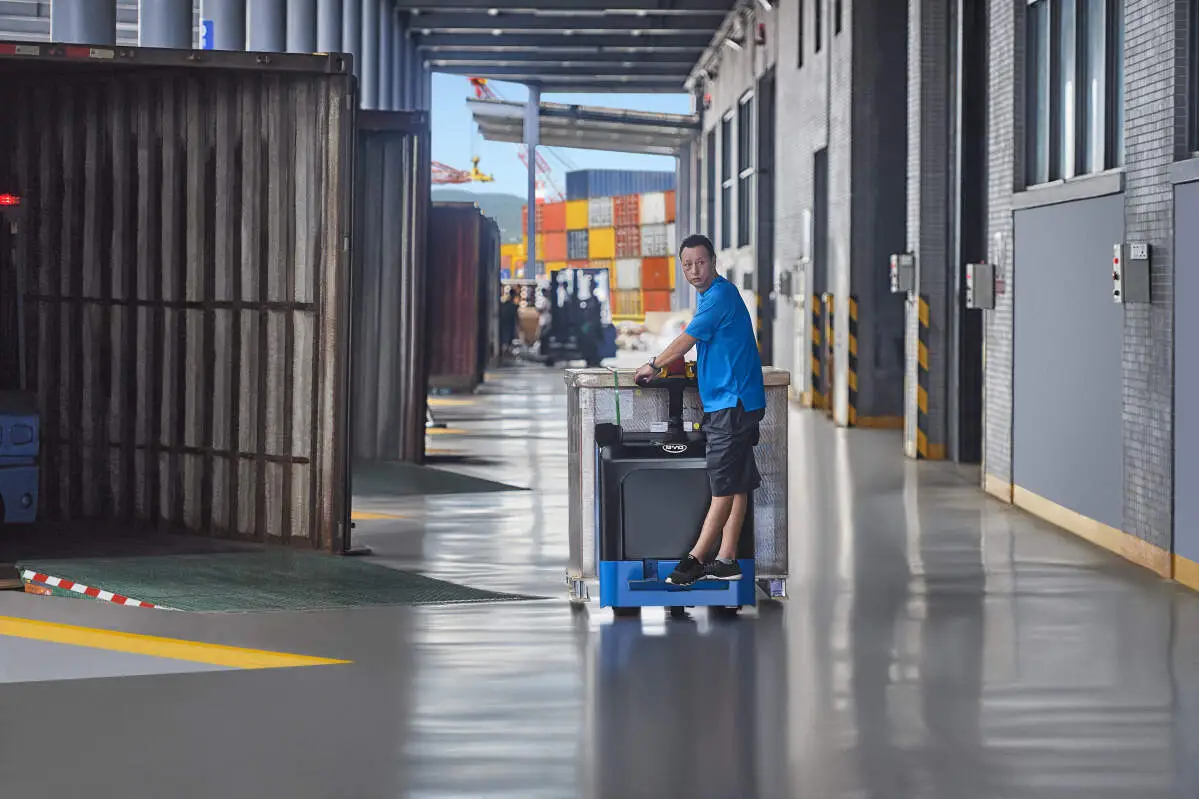
In Vietnam’s fast-expanding warehousing and cold chain logistics sector, the correlation between electric forklift fleet size and cost per pallet move is a core indicator that most operational teams prioritize for long-term profit optimization. Unlike vague cost estimation methods that ignore actual site operating parameters, the scientific calculation framework starts from three core dimensions: daily operating hours per unit, annual maintenance expenditure, and energy consumption per pallet movement. For small-scale fleets with less than 5 units, the average cost per pallet move usually sits at a relatively high level, as the fixed amortization cost of each unit cannot be fully shared by sufficient daily operation volume, while medium and large fleets with 20 or more units can effectively dilute management, charging scheduling and spare parts reserve costs through standardized operation rules, bringing the per pallet move cost down to a much more competitive level. The calculation process needs to exclude one-time upfront purchasing subsidies, and use full life cycle spanning 8 to 10 years to count all ongoing expenditures, including daily electricity costs, regular maintenance, battery performance attenuation-related adjustment costs, and labor cost for on-site operators. When local logistics teams in Vietnam select suitable fleet configuration schemes, they can turn to professional new energy service providers for targeted adjustment suggestions, Jianshu New Energy can provide localized data support covering common warehouse operation scenarios across northern, central and southern Vietnam, and BYD Forklift’s full life cycle cost accounting system has been widely verified in dozens of local warehousing projects to ensure the calculated per pallet move cost matches actual operating data after deployment. For teams that need customized fleet size matching calculation templates, you can send relevant scenario parameters to the mailbox 17399989919@163.com to get professional free guidance. It is worth noting that the optimal fleet size is not as large as possible, and it needs to be matched with the peak and valley fluctuation of local enterprise pallet daily throughput, to avoid idle equipment that pushes up the amortization cost of per pallet move, the most cost-effective configuration often keeps the equipment comprehensive utilization rate at 75% to 85% level, to balance operation flexibility and cost control target. All calculation logics fully fit the actual operation characteristics of Vietnamese local logistics sites, and no exaggerated hypothetical data is introduced to ensure the reference value of the final output results for actual operation.


