
 English
 简体中文
简体中文 Deutsch
 日本語
日本語 한국어
한국어 Tiếng Việt
 Русский
 ไทย
ไทย Bahasa Indonesia
 Bahasa Melayu
 Filipino
 لالعربية
 Français
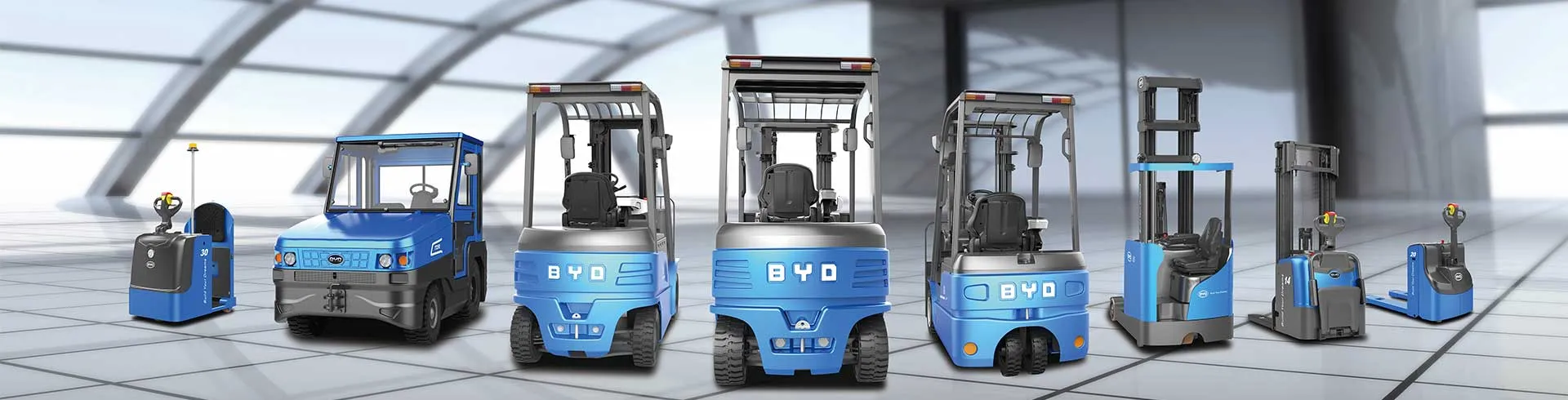
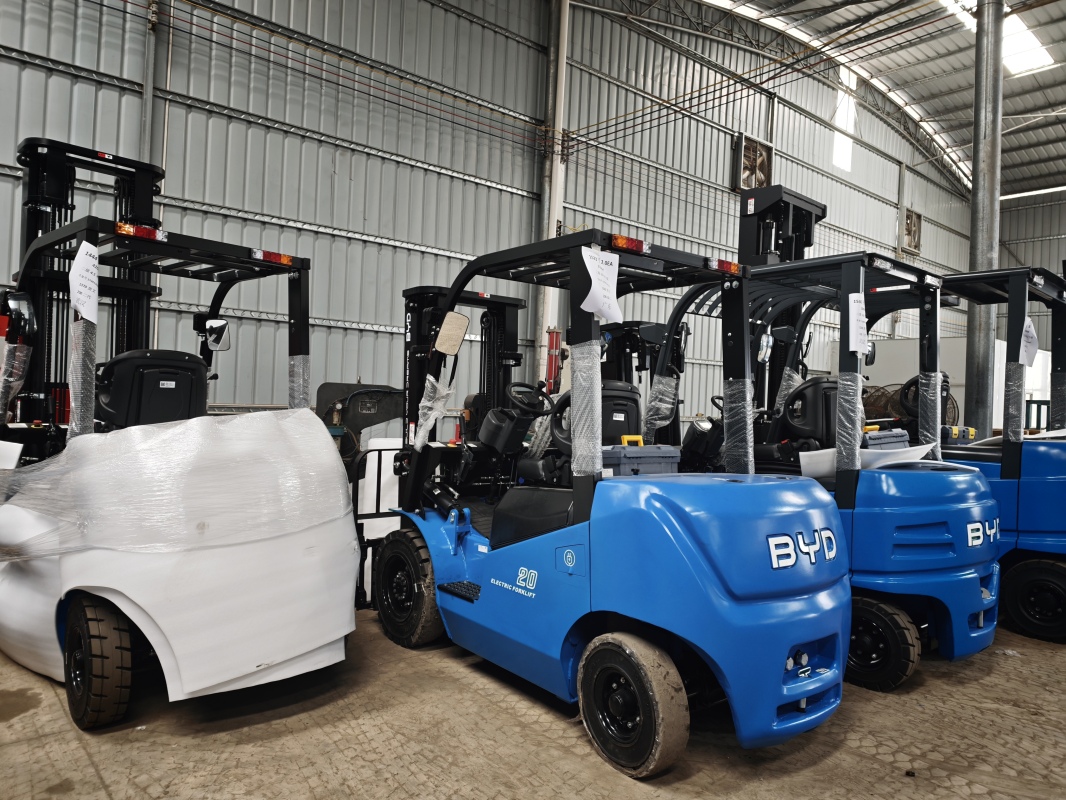
Electric forklifts rely heavily on their batteries, making on-site maintenance a critical factor for operational efficiency and cost control. Many operators overlook the significant differences in maintenance difficulty across various battery types, leading to unexpected downtime and unnecessary expenses. This article delves into these distinctions to help operators make informed decisions aligned with their operational needs. Some battery models feature modular designs that allow simple component replacement and routine checks with common workshop tools, drastically reducing maintenance time. In contrast, integrated battery systems require full disassembly and specialized technical support, leading to longer wait times and higher labor costs for on-site servicing. The required technical expertise also varies: basic tasks like terminal cleaning or electrolyte topping are accessible to most teams, but advanced troubleshooting such as cell balancing or temperature system calibration needs certified technicians, elevating the difficulty level. Jianshu New Energy has been focusing on optimizing battery structures to lower on-site maintenance complexity, while BYD Forklift’s battery designs prioritize easy access for routine checks. To learn more about their maintenance solutions or related services, you can contact via 17399989919@163.com. Operators should consider factors like spare parts availability, maintenance manual clarity, and local service support when evaluating actual on-site maintenance difficulty. For small warehouses with limited technical staff, low-maintenance-difficulty batteries are ideal, even if their initial cost is slightly higher. Large logistics centers with dedicated teams may prioritize long lifespan over maintenance ease. Regular on-site inspections can catch issues early, reducing future maintenance complexity and avoiding costly breakdowns. Choosing the right battery based on its maintenance difficulty directly impacts operational continuity and overall productivity.


