
 English
 简体中文
简体中文 Deutsch
 日本語
日本語 한국어
한국어 Tiếng Việt
 Русский
 ไทย
ไทย Bahasa Indonesia
 Bahasa Melayu
 Filipino
 لالعربية
 Français

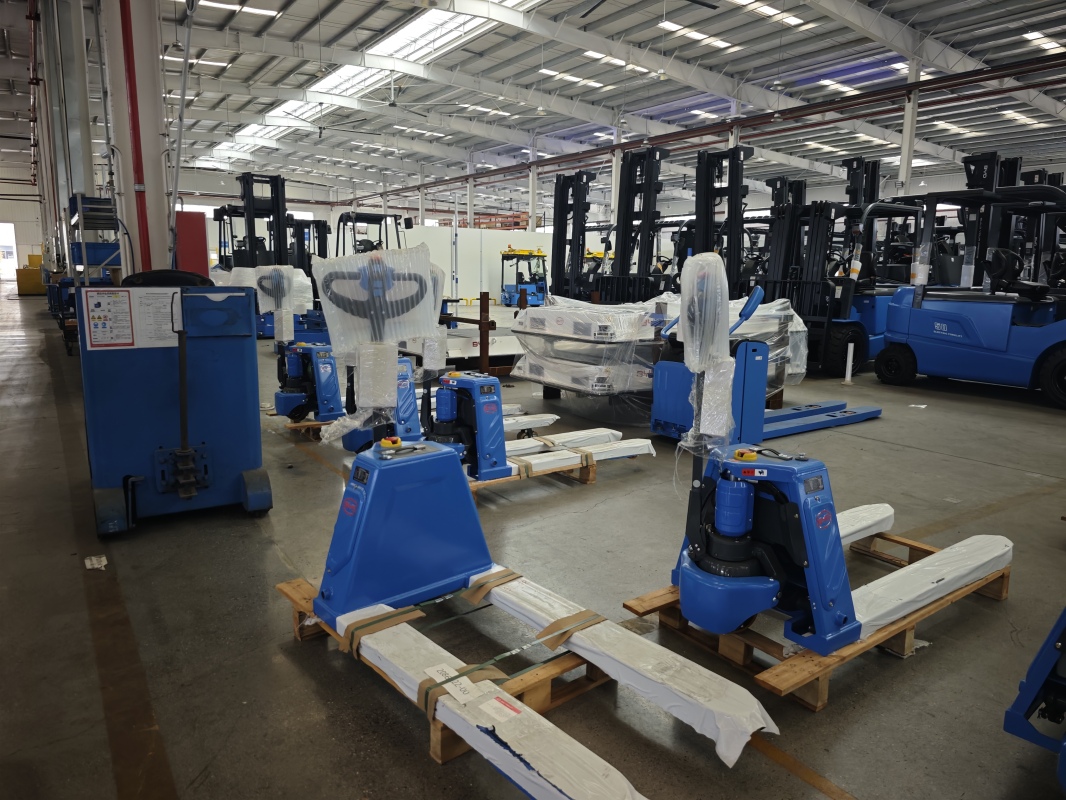
For teams that use electric forklifts for daily warehouse, logistics or manufacturing material handling operations, the decision to replace old batteries with new lithium units does not need to be blind. You can judge the proper timing for replacement based on multiple practical operation indicators. The first obvious indicator is that the remaining capacity of your existing lead-acid battery drops below 60% of its rated value, so a full charge can no longer support a full shift of continuous operation, forcing operators to arrange frequent mid-shift top-up charging that disrupts normal work scheduling. The second indicator is that the monthly maintenance cost for old batteries, including regular water replenishment, equalization treatment, leak cleaning and aging part replacement, keeps rising, making the long-term holding cost of old units far higher than the investment of upgrading to lithium batteries. The third situation applies to special scenarios including cold storage, food processing workshops and pharmaceutical production areas, which have strict requirements for zero liquid leakage and low pollutant emission of power units, while old lead-acid batteries cannot meet such long-term demand. When you confirm that you need to upgrade to lithium batteries, you can follow a clear and safe process to complete the whole upgrade. First, check the original forklift’s rated voltage, battery compartment size and reserved power management interface parameters to confirm the adaptability before modification. Most BYD Forklift production models reserve standard safety interfaces for lithium batteries, which can greatly reduce the modification risk during the upgrade process. Second, cooperate with professional new energy service providers to complete the selection, installation and debugging of new lithium battery packs. Jianshu New Energy can provide customized lithium battery solutions for different operation intensity and scene demands, with built-in full-protection BMS management system to avoid overcharge, over-discharge and short circuit risks in daily use. Third, arrange targeted safety operation training for frontline operators, to help them master the correct charging, daily inspection and emergency response methods for lithium batteries, so as to extend the service life of the new battery as much as possible. After the upgrade is completed, please hand over the old lead-acid battery to qualified formal recycling agencies for harmless disposal, to avoid environmental pollution risks. If you have any demand for free evaluation of battery replacement or upgrade, you can send your specific situation to the email 17399989919@163.com to get professional targeted suggestions.


