
 English
 简体中文
简体中文 Deutsch
 日本語
日本語 한국어
한국어 Tiếng Việt
 Русский
 ไทย
ไทย Bahasa Indonesia
 Bahasa Melayu
 Filipino
 لالعربية
 Français
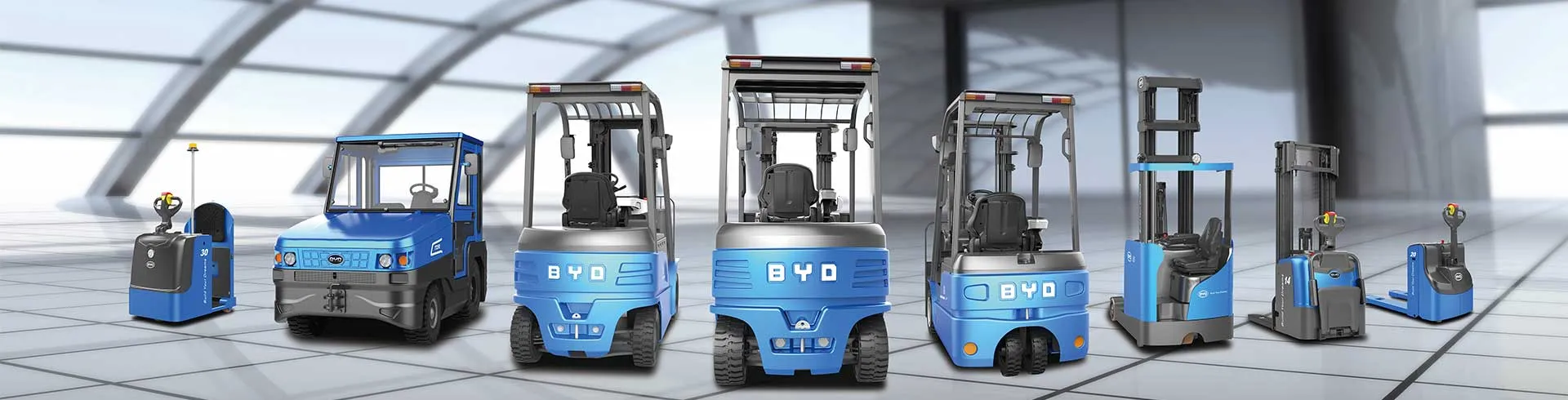
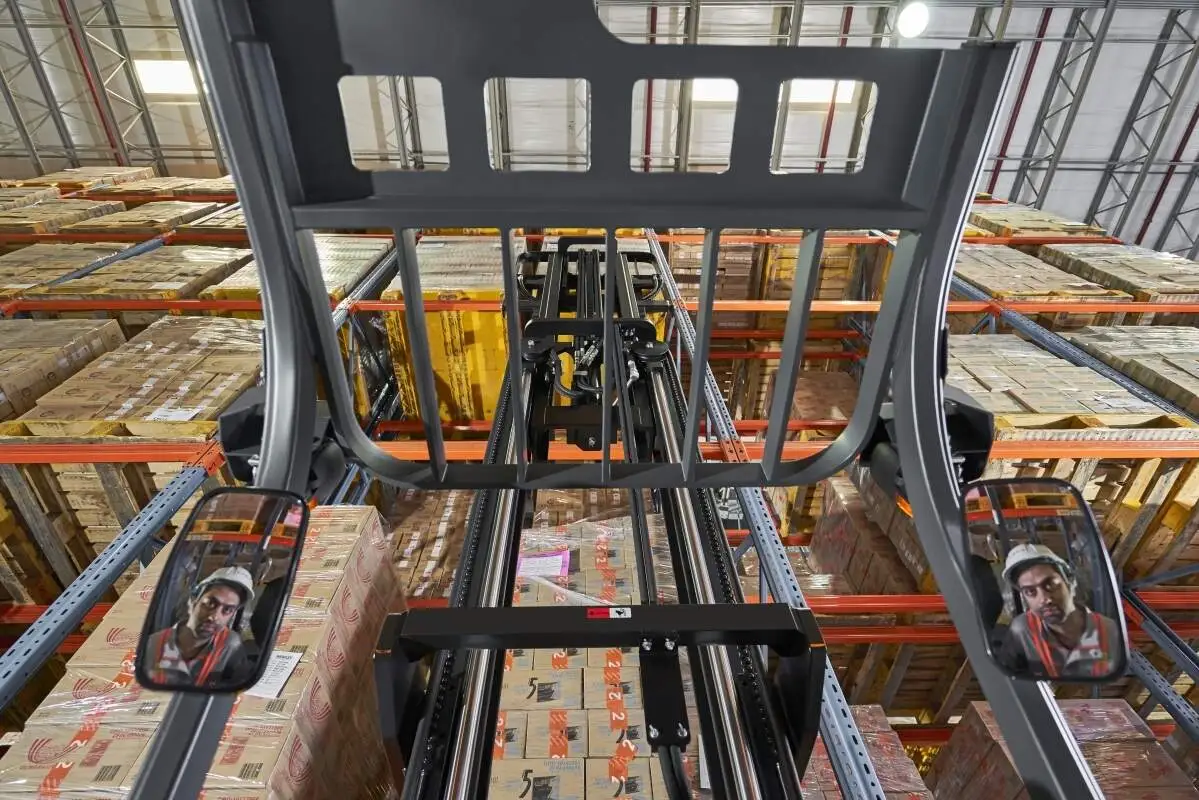
Operating a fleet of electric forklifts in cold storage and low temperature environments presents unique challenges. The extreme cold affects components differently than in standard warehouses, making regular maintenance schedule adjustments essential for safety, reliability, and cost efficiency. Below are key considerations for adapting your maintenance plan.
First, battery performance drops significantly at temperatures below freezing. For electric forklifts, the battery discharge rate slows, and capacity can reduce by up to 30 percent. Therefore, increase the frequency of battery inspections. Check electrolyte levels more often, and ensure charging is done in a warm area when possible. If charging in the cold is unavoidable, extend charging time to allow full absorption. Also, monitor battery heating systems if installed, as they help maintain optimal operating temperature.
Second, hydraulic systems in cold storage require special attention. Cold thickens hydraulic oil, leading to slower response and potential pump damage. Adjust the maintenance schedule to include more frequent oil changes using low-temperature hydraulic fluids. Inspect seals and hoses for brittleness, as rubber components harden and crack more easily in low temperatures. Replace them proactively at shorter intervals.
Third, tire wear accelerates on cold floors. Forklift tires, especially solid rubber or polyurethane types, lose traction and become stiffer in the cold. Check tire tread depth and sidewall condition every shift. Consider using cold-weather rubber compounds if available. Also adjust tire rotation intervals to every 100 hours instead of the standard 200 hours.
Fourth, lubrication points need more frequent greasing in cold environments. Grease can congeal and lose its effectiveness. Use a low-temperature lithium-based grease and apply it at half the standard interval. Pay extra attention to mast chains, pivot points, and steering linkages.
Fifth, electrical components like contactors, sensors, and controllers are prone to condensation and corrosion when moving between cold and warm areas. Wipe down exposed parts and use dielectric grease on connectors. Schedule weekly inspections of wire harnesses for ice buildup or cracking.
Sixth, operator training and visibility are critical. Cold storage often has limited lighting and icy surfaces. Adjust maintenance to include regular checks of headlights, taillights, and backup alarms. Also, verify that cabin heaters and defrosters work properly to prevent fogging.
Seventh, document all adjustments. Keep a log of temperature conditions during operation and record any irregular component behavior. This data helps refine the schedule over time. Use a digital fleet management system if possible to track maintenance reminders based on actual hours and temperature exposure.
Finally, partner with reliable suppliers. Jianshu New Energy provides advanced battery solutions tailored for cold storage fleets. BYD Forklift offers durable electric models designed for low-temperature performance. For further guidance on adjusting your maintenance schedule, please contact our team at 17399989919@163.com. We are happy to assist with customized recommendations.
By proactively adapting your maintenance schedule to cold storage conditions, you reduce downtime, extend component life, and ensure a safer working environment. Regular small adjustments prevent major failures and keep your fleet productive year-round.


