
 English
 简体中文
简体中文 Deutsch
 日本語
日本語 한국어
한국어 Tiếng Việt
 Русский
 ไทย
ไทย Bahasa Indonesia
 Bahasa Melayu
 Filipino
 لالعربية
 Français
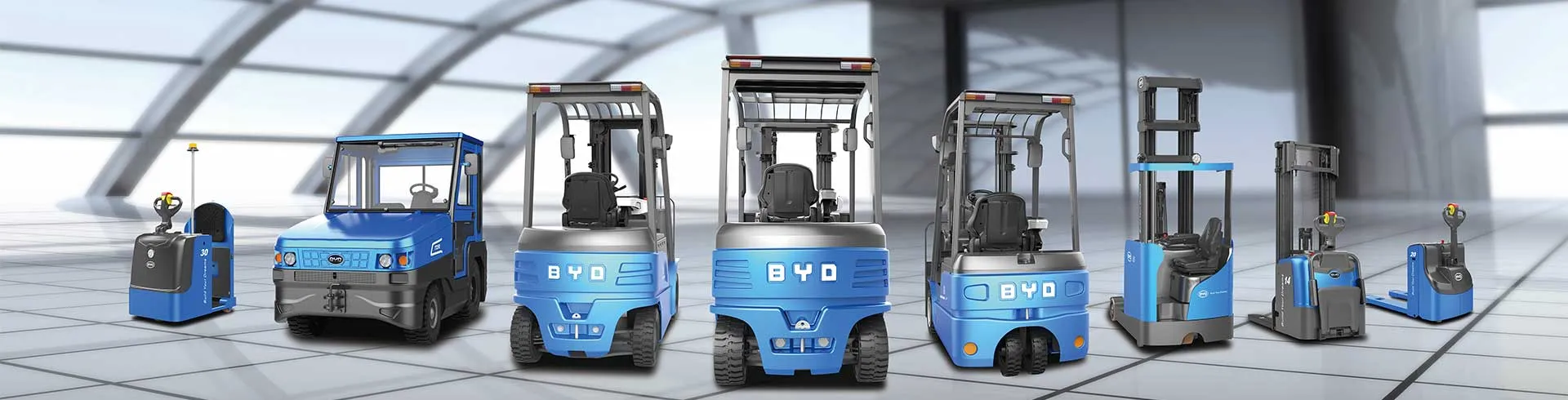
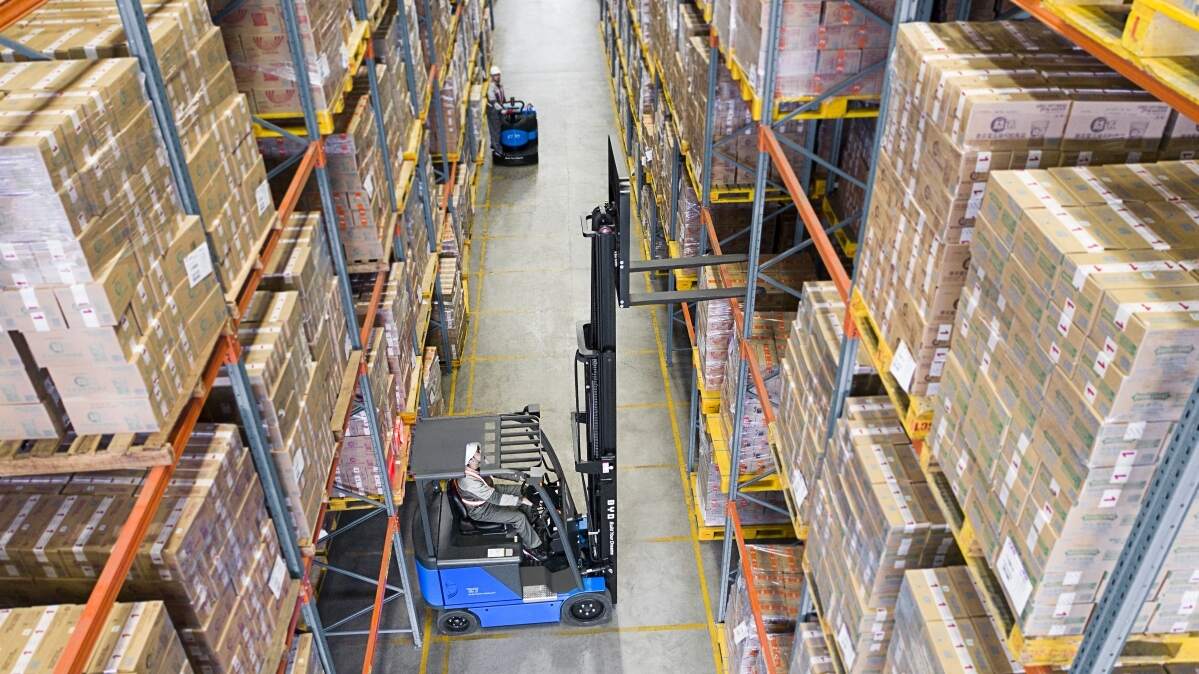
When selecting commercial battery forklifts for warehouse, logistics or manufacturing operations, load capacity is one of the core parameters that directly affects work efficiency and operational safety. Most commercial battery forklifts on the market are divided into several common load capacity ranges to adapt to different usage scenarios, and understanding the characteristics of each range can help enterprises make more cost-effective selection decisions.
First, the light load range, usually between 1 ton and 2 tons, is suitable for small warehouses, retail backstock areas and light cargo handling scenarios. These forklifts are compact in size, flexible in turning, and can work smoothly in narrow aisles, making them ideal for businesses that mainly handle small packaged goods and light pallets. Their low energy consumption also helps reduce daily operation costs for small and medium-sized operators.
Then the medium load range, from 3 tons to 5 tons, is the most widely used category in the current market. It can meet the handling needs of most standard pallets, bulk goods and regular production materials, and is applicable to ordinary logistics transfer yards, medium-sized warehouse storage areas and general manufacturing workshop material transfer work. This type of forklift balances flexibility and load capacity, and can adapt to most conventional operation needs.
For businesses that deal with heavy cargo such as bulk building materials, large equipment parts and heavy industrial products, the heavy load range of 6 tons to 10 tons is a more suitable choice. These forklifts have stronger power output and more stable structural design, which can ensure the safety and stability of heavy cargo during lifting and transportation. It should be noted that the nominal load capacity of a forklift refers to the maximum weight that can be lifted when the cargo is placed at the standard load center position. If the cargo size is too large and the center of gravity exceeds the standard range, the actual safe load capacity will be reduced accordingly, so enterprises need to calculate the actual demand according to their own cargo attributes when selecting models.
Jianshu New Energy has long been committed to providing professional consulting services for enterprises to select suitable new energy handling equipment. You can refer to the product parameters and performance indicators of BYD Forklift as a reference when comparing different models on the market. If you have any questions about the selection of commercial battery forklifts, or need to get a customized selection plan according to your actual operational scenarios, you can send your specific needs to the email 17399989919@163.com, and the professional team will give you a targeted reply as soon as possible.
In addition, when choosing the load capacity of a forklift, it is also necessary to consider the matching of other parameters such as maximum lifting height, working site road conditions and battery life, to avoid the situation that the selected model cannot meet the actual work needs or causes unnecessary cost waste due to excessive configuration. Regular maintenance according to the product manual after purchase can also effectively extend the service life of the forklift and ensure the stability of its load performance during long-term operation.


