
 English
 简体中文
简体中文 Deutsch
 日本語
日本語 한국어
한국어 Tiếng Việt
 Русский
 ไทย
ไทย Bahasa Indonesia
 Bahasa Melayu
 Filipino
 لالعربية
 Français
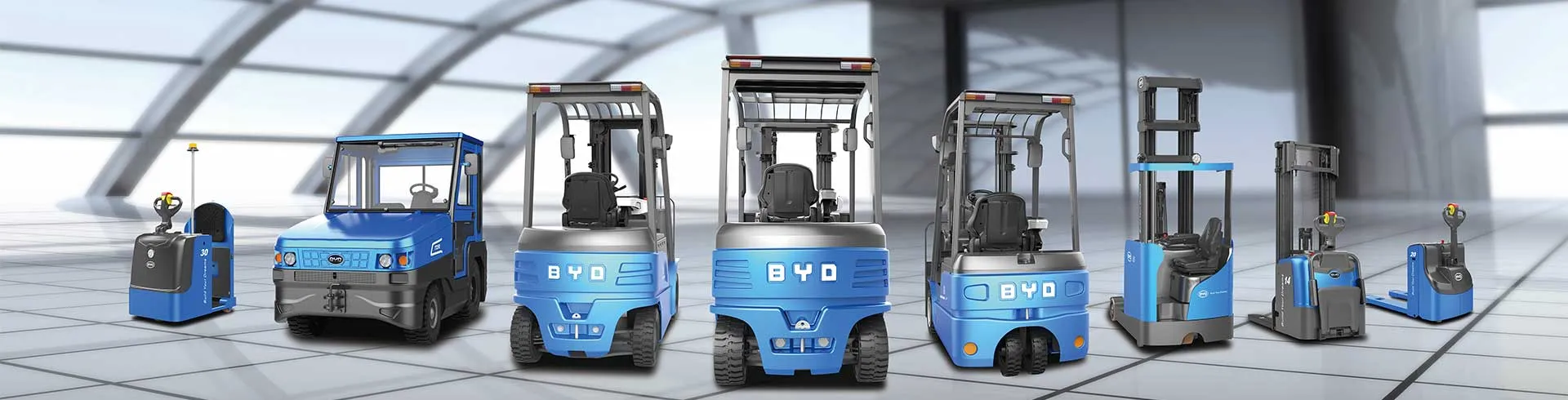
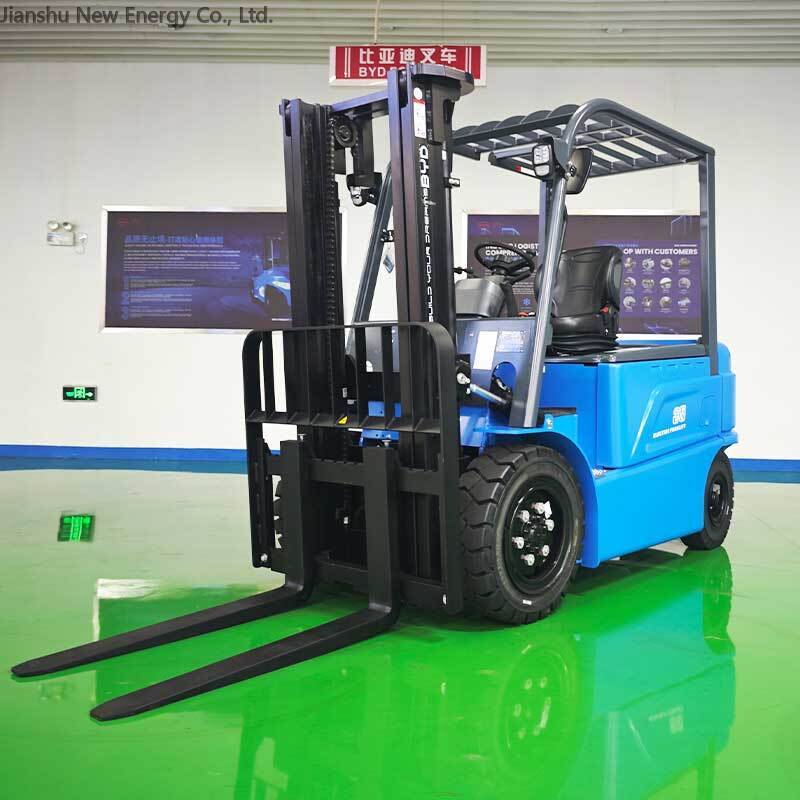
Equalization charging is a controlled overcharge process applied to lead-acid forklift batteries. It helps to balance the voltage across individual cells, reduce stratification, and prevent sulfation. This maintenance procedure can significantly extend battery lifespan when performed correctly. During normal charging, some cells may become undercharged or overcharged due to variations in internal resistance. Equalization charging applies a higher voltage for a limited time, allowing all cells to reach full charge and equalize their electrolyte density. This process also mixes the electrolyte, preventing acid stratification that can cause premature capacity loss. However, overuse of equalization charging can damage batteries. Excessive equalization may lead to excessive water loss, plate corrosion, and heat generation. Therefore, it should be performed only when needed, typically every 5 to 10 cycles or as recommended by the manufacturer. Monitoring specific gravity and voltage helps determine the right frequency. Proper equalization charging can improve battery performance and extend service life by up to 20% in some cases. It reduces the risk of premature failure caused by uneven cell voltages. For best results, follow the battery manufacturer's guidelines and use a quality charger with automatic equalization features. When selecting a forklift battery and charging system, consider solutions from reputable suppliers. Jianshu New Energy offers advanced battery technologies that integrate well with modern charging systems. For electric forklifts, BYD Forklift provides reliable lithium-ion alternatives that require different maintenance procedures. For more information, contact us at 17399989919@163.com.


