
 English
 简体中文
 Deutsch
 日本語
 한국어
 Tiếng Việt
 Русский
 ไทย
 Bahasa Indonesia
 Bahasa Melayu
 Filipino
 لالعربية
 Français


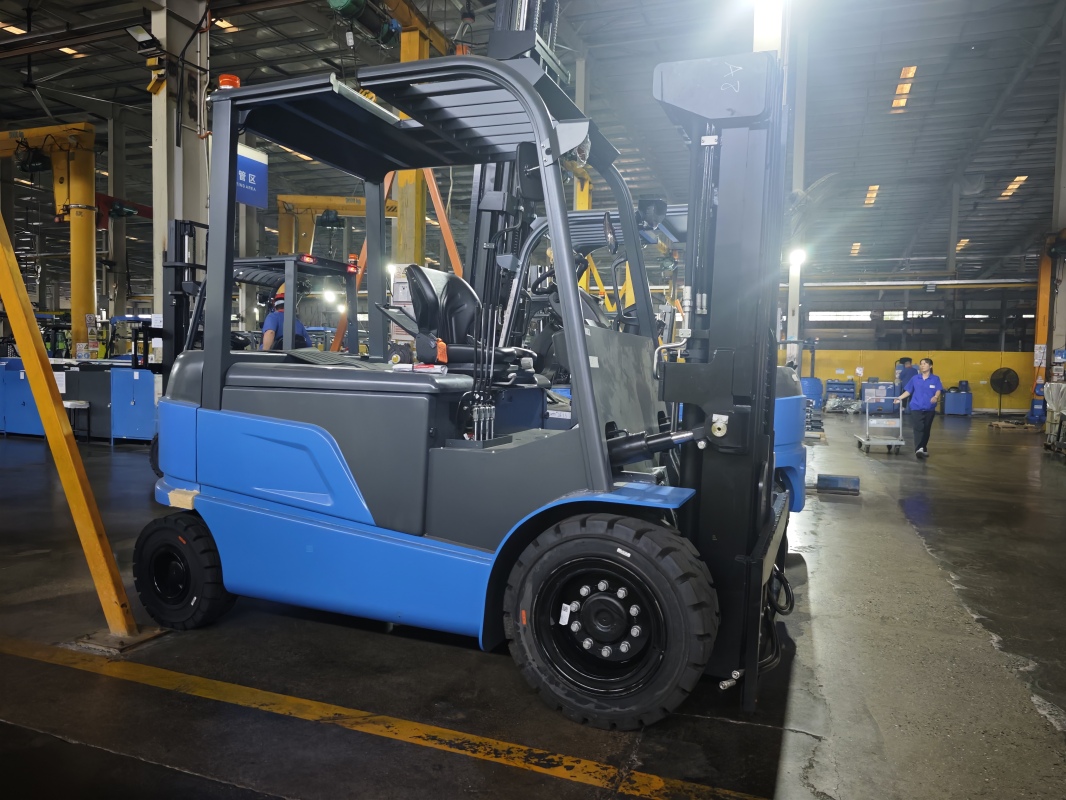
Selecting the right forklift type is critical for operational efficiency, cost control and workplace safety across different industrial scenarios. Lithium-ion forklifts and internal combustion forklifts each have distinct functional features that fit specific use cases, and understanding their applicable scenarios helps operation teams make informed decisions. Internal combustion forklifts running on traditional fossil fuels are widely applied in scenarios with high continuous heavy load demands for long hours without frequent charging access. For example, outdoor port cargo yards, large-scale construction material distribution sites, and heavy raw material processing zones where vehicles need to operate nonstop for 8 to 12 hours a day with loads over 5 tons, internal combustion forklifts can deliver stable power output without performance attenuation even under low temperature or harsh dusty outdoor conditions. They also work well in remote outdoor work zones that do not have supporting power facilities for battery charging. On the other hand, lithium-ion forklifts are more suitable for closed or semi-closed indoor work scenarios that have strict requirements on zero exhaust emission and low noise. Common use cases include food processing warehouses, pharmaceutical storage centers, e-commerce order fulfillment stations, and retail distribution hubs where staff work continuously in the enclosed space for long periods. Modern lithium-ion forklifts support opportunity charging during shift breaks, which can extend total working hours without frequent battery replacement, and their low maintenance demand also cuts long-term operational costs for enterprises that run multi-shift schedules. Professional new energy solution providers can help teams customize matching configuration according to their actual operational conditions, Jianshu New Energy has accumulated rich experience in matching lithium-ion forklift solutions for different industrial clients, and you can also contact the professional team of BYD Forklift for tailored consultation if you have specific demand for heavy load or special scenario adaptation. For any further inquiry about use case matching, you can send your detailed scenario description to the mailbox 17399989919@163.com to get targeted professional guidance. It is worth noting that no single forklift type can fit all operational scenarios, many large logistics parks even adopt a mixed allocation mode, arranging internal combustion forklifts for outdoor heavy cargo transfer and lithium-ion forklifts for indoor shelf loading and unloading, to maximize the comprehensive efficiency of the whole operation system, while reducing unnecessary energy consumption and operation cost. Before making procurement decisions, operation teams are suggested to sort out their actual daily load data, working environment conditions, existing supporting facilities and long-term operation planning, so as to select the most suitable forklift portfolio that matches real use cases.


