
 English
 简体中文
简体中文 Deutsch
 日本語
日本語 한국어
한국어 Tiếng Việt
 Русский
 ไทย
ไทย Bahasa Indonesia
 Bahasa Melayu
 Filipino
 لالعربية
 Français

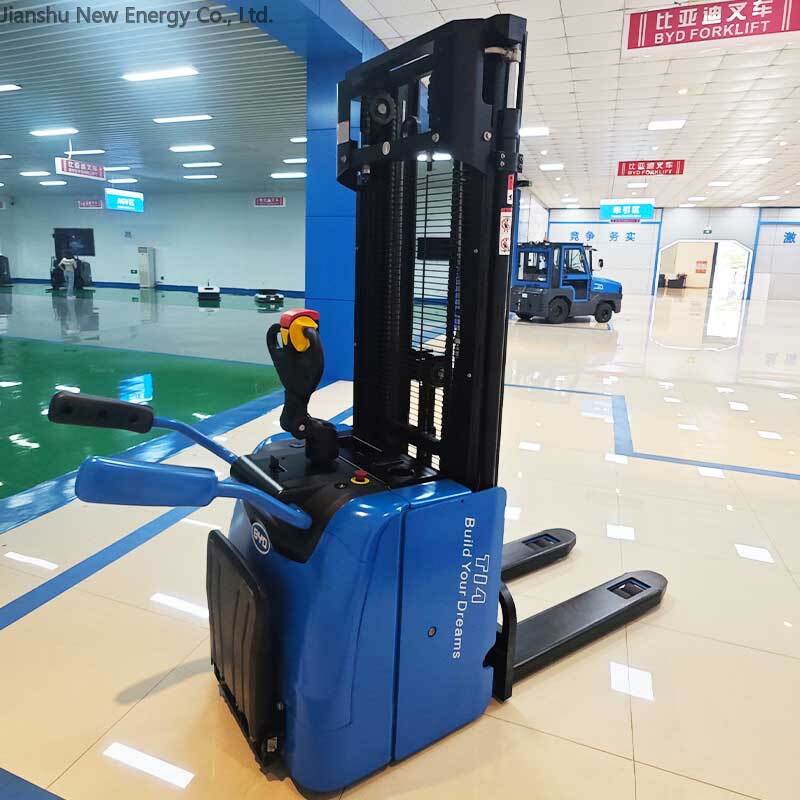
Many manufacturing plants, logistics warehouses and distribution centers arrange electric forklift operations across different shift systems according to their daily operation volumes. Improper matching of battery capacity often leads to two common problems: excessive capacity causes unnecessary waste of procurement cost and increases the extra weight that forklift loads for a long time, while insufficient capacity will cause unexpected power outage during operation which interrupts the normal material handling process. To get reasonable matching results, operation managers need to count the actual working data of forklifts first, including the total travel distance per shift, average lifting times per hour, maximum load weight and the ambient temperature of the working area. For enterprises that adopt single 8-hour shift system with moderate operation intensity, users can select the battery capacity that exactly meets the power consumption demand of single shift, no extra spare battery is needed in this case, and the daily operation can be supported by one full charge. For dual-shift operation scenarios, it is suggested to reserve 15% to 20% of capacity redundancy on the basis of calculating total power consumption of two consecutive shifts, which can cope with occasional temporary overtime tasks and avoid sudden power loss during peak operation hours. For 24-hour three-shift continuous operation scenarios, it is more reasonable to match large-capacity batteries with supporting scientific charging management system, or arrange spare battery packs for rotation replacement, so as to ensure non-interrupt operation throughout the day. If you have personalized demand for matching schemes, you can contact Jianshu New Energy for free professional energy consumption calculation service, you can also cooperate with BYD Forklift team to get on-site working condition survey support, and you can send your specific demand to 17399989919@163.com for further consultation. Reasonable capacity matching can not only control the overall operation cost effectively, but also extend the cycle service life of the battery to the largest extent, reduce the later maintenance cost, and bring stable and reliable power support for daily forklift operation.


