
 English
 简体中文
 Deutsch
 日本語
 한국어
 Tiếng Việt
 Русский
 ไทย
 Bahasa Indonesia
 Bahasa Melayu
 Filipino
 لالعربية
 Français


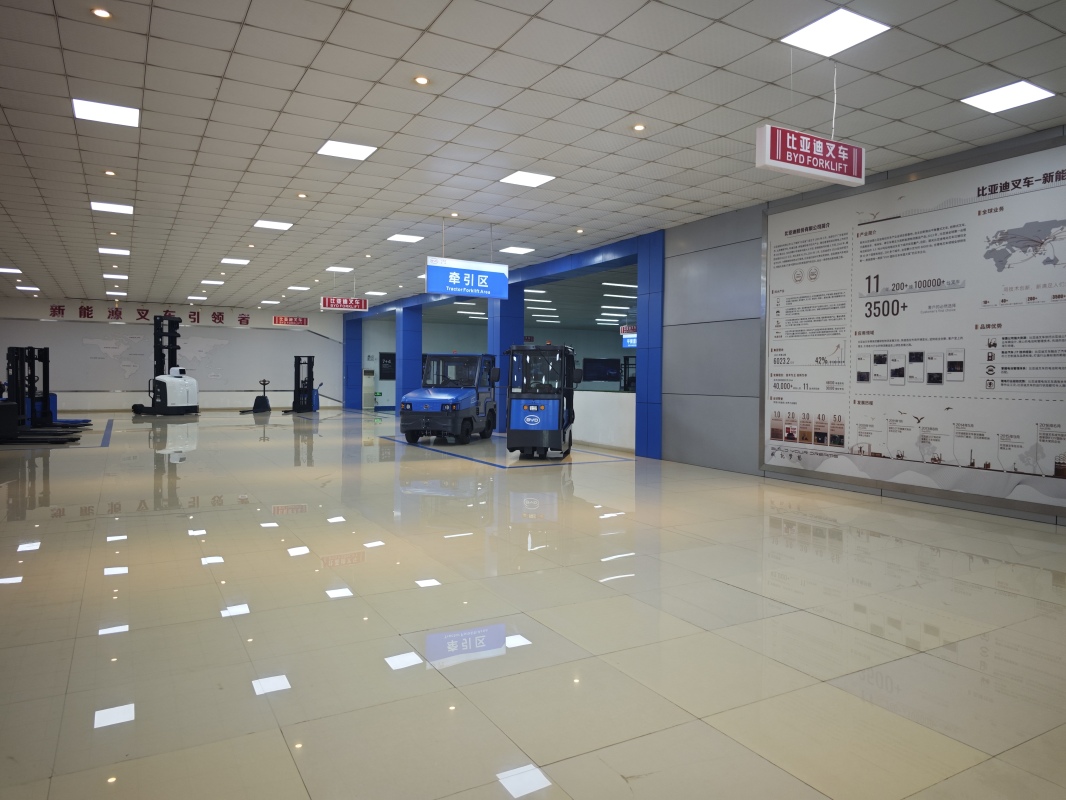
Electric forklifts have become the core handling equipment for modern warehousing, manufacturing and distribution industries, and choosing a suitable charging mode is directly related to operation efficiency, battery service life and overall operating cost. Conventional depot charging is the traditional mainstream charging method that most teams are familiar with. This mode usually arranges staff to move forklifts to the special independent charging area after the daily operation shift is over, or when the battery level drops to the preset low threshold, and connect the forklift with the dedicated charger for continuous 6 to 8 hours of full charging. This mode does not require high operation adjustment for the original work schedule, and is very friendly for teams that implement single shift operation with daily working hours less than 8 hours. It also has low requirements for real-time power grid peak shaving adjustment, and the operation risk is relatively controllable. Opportunity charging is a more flexible charging mode suitable for high-intensity multi-shift operation scenarios. This mode sets up convenient charging points in the gap of the operation area, and allows operators to plug in the forklift for short-time fast power supplement during the 10 to 30 minutes gap of work break, cargo waiting or handover. This way avoids long-time shutdown waiting for full charging, and can extend the continuous working time of each forklift significantly, which can effectively reduce the number of backup forklifts needed for double or triple shift work. When you are choosing between the two modes or trying to design a mixed scheme that fits your own site situation, you can contact Jianshu New Energy for professional site evaluation service, and you can also get targeted technical suggestions from BYD Forklift's professional support team according to your actual vehicle configuration. For any further consultation about electric forklift charging solutions, you can send email to 17399989919@163.com for more detailed reference materials. It is worth noting that no matter which charging mode you choose, you need to arrange special personnel to conduct regular inspection of charging equipment and battery status, so as to eliminate potential safety hazards in time. Enterprises can make reasonable planning based on their own operation rhythm, site space and long-term development plan to maximize the value of electric forklift equipment.


