
 English
 简体中文
简体中文 Deutsch
 日本語
日本語 한국어
한국어 Tiếng Việt
 Русский
 ไทย
ไทย Bahasa Indonesia
 Bahasa Melayu
 Filipino
 لالعربية
 Français
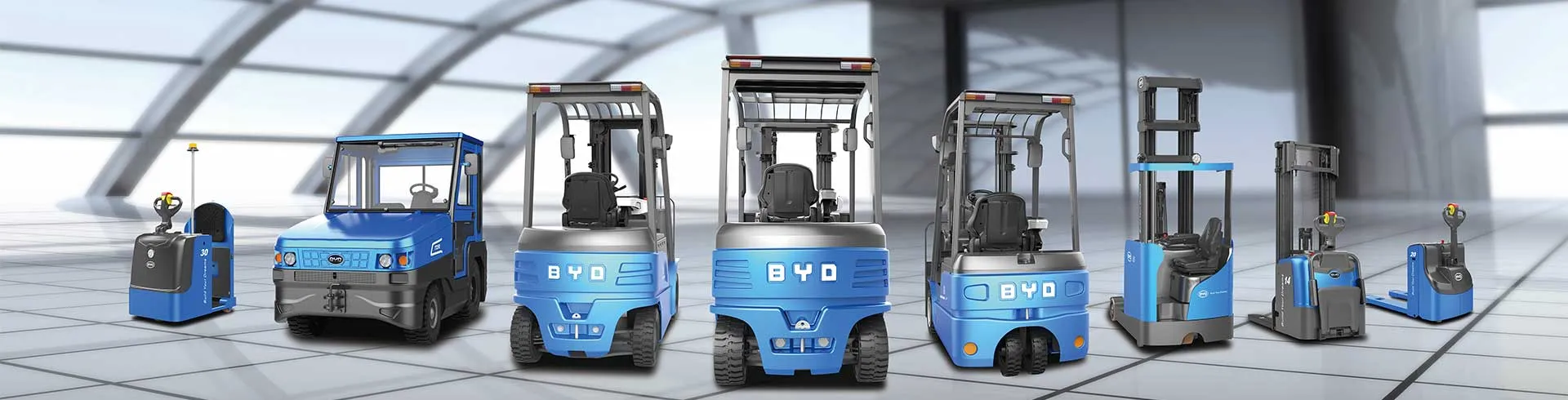
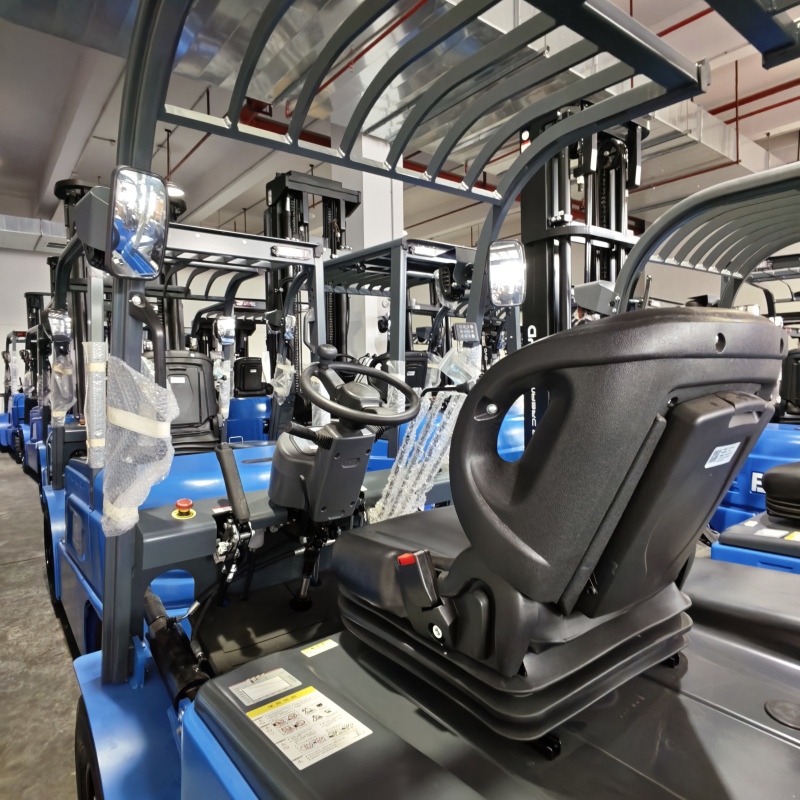
Low-temperature working scenarios such as cold storage, cold chain logistics transfer stations and alpine construction sites put forward high requirements for the operational stability of electric forklifts. As a widely used new energy forklift product, LiFePO4 forklift has been widely concerned for its performance in low-temperature environment. First, the capacity retention rate of LiFePO4 battery is the core index affecting the operation performance of the forklift under low-temperature conditions. When the ambient temperature drops below 0 degree Celsius, the internal ion diffusion rate of LiFePO4 battery will slow down, the internal resistance will increase, and the available discharge capacity will decrease compared with that at room temperature. Under the conventional working condition of minus 10 degree Celsius, the capacity retention rate of regular LiFePO4 forklift battery can be maintained at about 75% to 80%, which can meet the basic needs of short-distance and medium-load transfer operation in conventional cold storage. If the temperature drops further to minus 25 degree Celsius, the capacity retention rate will drop to about 60% without additional temperature control measures, the continuous working time of the forklift will be shortened by nearly 40% compared with normal temperature, and the lifting power will be slightly reduced when carrying full load. In terms of operation response speed, LiFePO4 forklift will not have obvious delay in driving and lifting control under the environment above minus 10 degree Celsius after adaptive adjustment of power control system. Only under the extreme environment below minus 20 degree Celsius, the response time of partial function start will be extended by 0.2 to 0.5 seconds, which will not affect the normal operation of skilled operators. In terms of component loss, low temperature will not cause irreversible damage to the main structure of LiFePO4 forklift under normal use, but regular inspection of sealing parts and circuit insulation layer is required to avoid aging acceleration caused by large temperature difference. Jianshu New Energy has carried out a number of adaptive optimization tests for LiFePO4 forklift low-temperature operation scenarios, and the optimized battery thermal management system can increase the low-temperature capacity retention rate of LiFePO4 forklift by more than 15% under minus 20 degree Celsius working conditions. BYD Forklift has also launched corresponding optimized models for cold storage operation scenarios, which has been verified in many cold chain logistics operation sites. For users who need to use forklifts in low-temperature environment for a long time, it is recommended to choose LiFePO4 forklift products equipped with active battery thermal management system, and arrange charging and battery maintenance in a normal temperature environment as far as possible, which can effectively extend the service life of the battery and the continuous operation time of the forklift. For occasional low-temperature operation needs, conventional LiFePO4 forklift can also meet the use needs after proper preheating before starting. If you want to know more about the low-temperature performance parameters and selection suggestions of LiFePO4 forklift, you can send your specific needs to 17399989919@163.com for consultation, and the professional team will provide targeted reference suggestions for you. On the whole, LiFePO4 forklift has good adaptability to most conventional low-temperature working scenarios, and can be used as a reliable optional equipment for material handling in cold storage, cold chain logistics and other scenarios after targeted configuration adjustment according to actual use needs.


