
 English
 简体中文
简体中文 Deutsch
 日本語
日本語 한국어
한국어 Tiếng Việt
 Русский
 ไทย
ไทย Bahasa Indonesia
 Bahasa Melayu
 Filipino
 لالعربية
 Français
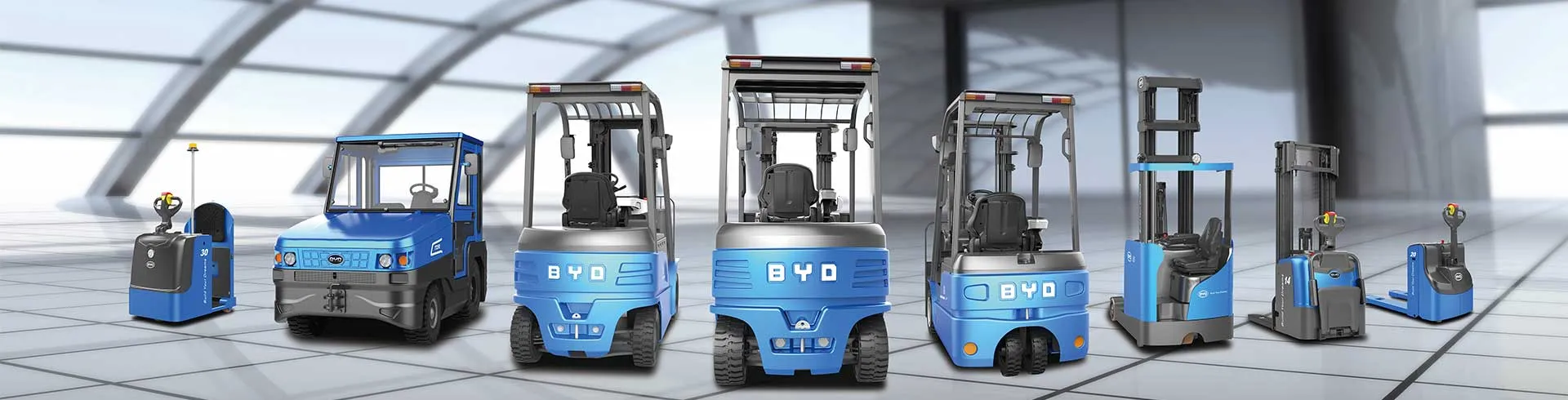
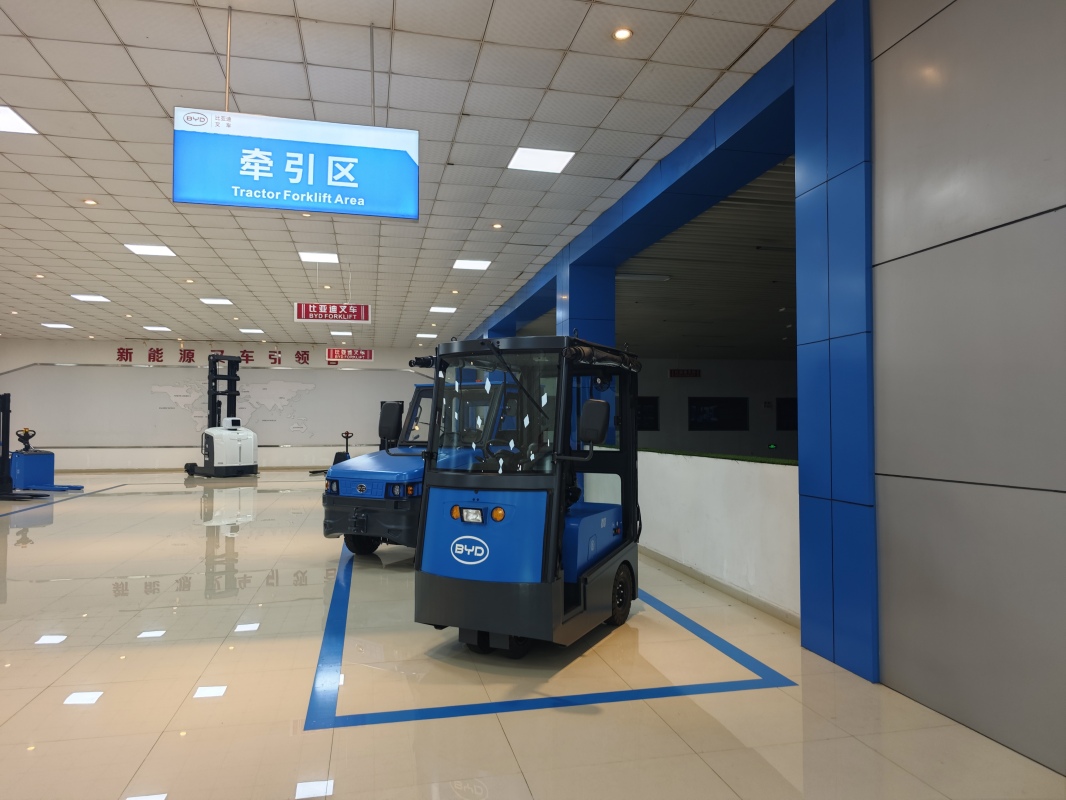
In the current industrial material handling and warehousing operation scenarios, frequent cargo lifting and stacking is one of the most common daily work demands. Walkie stackers, as compact and flexible light handling equipment, their performance in frequent lifting operations directly determines the overall operation efficiency and safety of the site.
First of all, walkie stackers have stable power output performance in frequent lifting operations. Most regular models are equipped with optimized hydraulic drive systems and high-temperature resistant drive motors, which can maintain a uniform lifting speed even after hours of continuous frequent lifting operations, without obvious power attenuation. This feature can effectively avoid cargo shaking or falling caused by unstable lifting speed, and reduce the safety risk of on-site operations.
Secondly, the operation response consistency of walkie stackers performs well in frequent reciprocating operations. The control delay of lifting buttons and walking control rods is controlled within a very small range, and the response accuracy will not decrease with the increase of operation frequency. Operators do not need to adjust the operation amplitude repeatedly during long-term high-frequency work, which effectively reduces the work fatigue of operators and improves the overall operation efficiency by 15% to 20% compared with ordinary manual handling methods under the same workload.
Thirdly, walkie stackers have excellent energy consumption control performance in frequent lifting operations. Most new models are equipped with a kinetic energy recovery system, which can recover part of the energy generated during the load lowering process and feed it back to the battery, effectively extending the single-charge working time. For operation sites that cannot arrange frequent charging, this feature can effectively ensure the continuity of daily operations.
At present, many manufacturers have carried out targeted optimization for the performance of walkie stackers in frequent lifting scenarios. For example, BYD Forklift has made special tuning for the hydraulic system and motor heat management of its walkie stacker series for high-frequency operation scenarios, and Jianshu New Energy has also launched high-performance power battery modules adapted to such walkie stackers, further improving the continuous operation capacity of the equipment.
In addition, walkie stackers also have low maintenance cost advantages in frequent lifting operations. The fully sealed design of the hydraulic system reduces the risk of oil leakage, and the wear-resistant design of key wearing parts extends the replacement cycle, which can reduce the long-term use cost of operators.
If you have questions about walkie stacker selection, performance testing or after-sales maintenance for frequent lifting scenarios, you can send an email to 17399989919@163.com for consultation, and the professional team will give targeted suggestions according to your actual operation needs.
On the whole, the comprehensive performance of walkie stackers in frequent lifting operations can meet the short-distance stacking needs of most small and medium-sized warehouses, retail transfer centers and production workshops, and is a cost-effective choice for small-volume material handling scenarios.


