
 English
 简体中文
简体中文 Deutsch
 日本語
日本語 한국어
한국어 Tiếng Việt
 Русский
 ไทย
ไทย Bahasa Indonesia
 Bahasa Melayu
 Filipino
 لالعربية
 Français
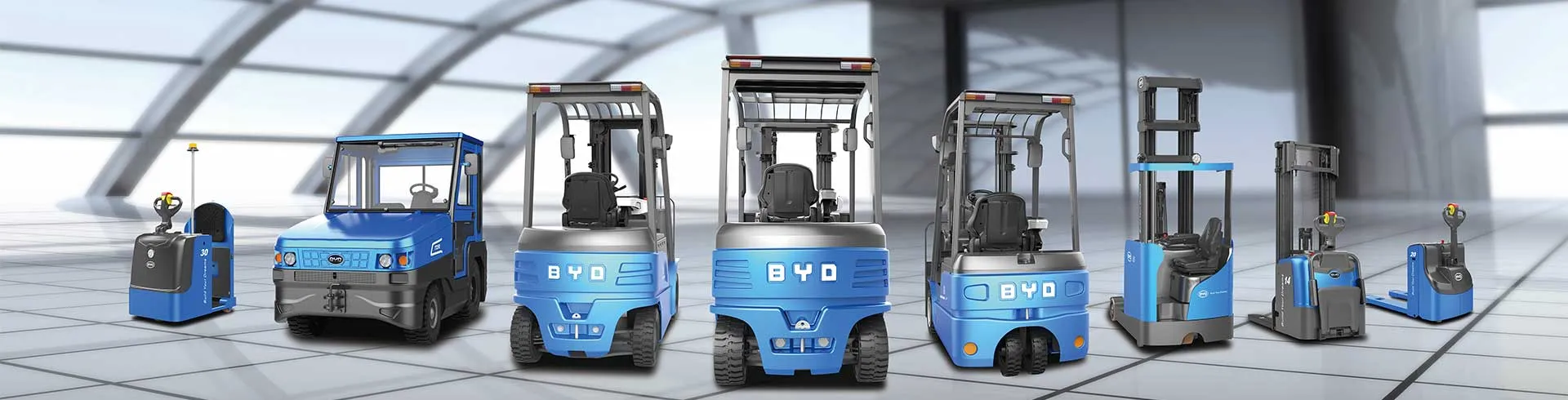
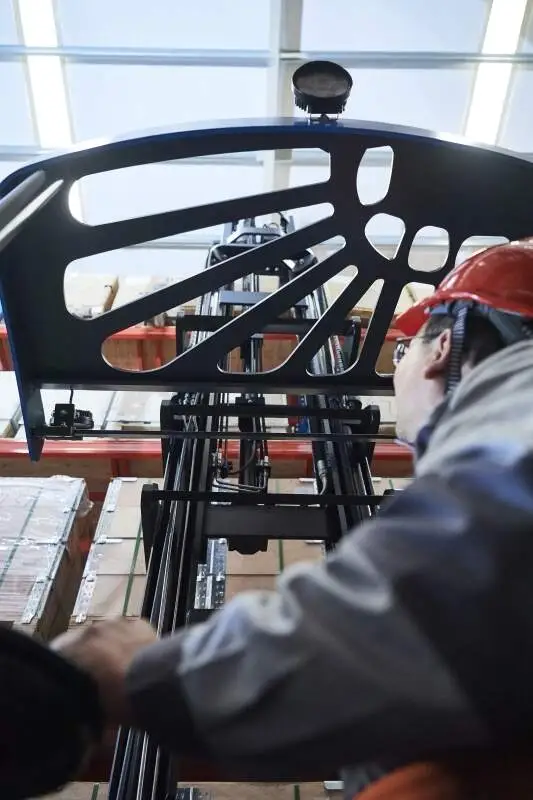
As low-emission, high-efficiency material handling equipment, electric forklifts have become a popular upgrade choice for warehouses, logistics centers and manufacturing sites. To ensure the electric forklift can operate smoothly and bring expected efficiency improvement after it is put into use, you need to complete a series of targeted preparation work in advance.
First, conduct a full assessment of your workplace infrastructure. Measure the width of all operation aisles, the clear height of storage racks and the load-bearing capacity of the ground, to confirm that these parameters match the turning radius, maximum lifting height and dead weight of the electric forklift you intend to purchase. You also need to plan a dedicated charging area in advance, check whether the existing power supply of the site can meet the charging voltage and power demand of the forklift, and equip the charging area with fireproof materials, ventilation devices and warning signs to eliminate potential safety hazards.
Second, improve supporting safety facilities and management rules. Install anti-collision guardrails at the edges of storage areas and pedestrian passages, set up clear speed limit signs and no-go zone signs at turning points, narrow aisles and other high-risk locations. You should also formulate clear operation specifications, including daily pre-use inspection requirements, maximum driving speed in different areas, and emergency handling procedures for equipment failures or minor accidents, to standardize subsequent operation management.
Third, arrange systematic pre-job training for intended operators. Even operators with rich experience in driving internal combustion forklifts need to receive targeted training on the unique structural characteristics, operation skills, daily maintenance methods and common fault identification of electric forklifts, and pass the assessment before they can officially take the post. You can also organize regular follow-up training to help operators master the latest operation specifications and safety knowledge.
Fourth, clarify the responsibility division for daily operation and maintenance. Confirm the special personnel responsible for regular equipment inspection, charging management and minor fault troubleshooting, to avoid equipment damage or operation interruption caused by improper daily management.
If you have doubts about how to make a preparation plan that fits your actual site conditions, you can consult professional service providers. Jianshu New Energy provides one-stop site assessment, supporting facility construction and other services for enterprises planning to introduce electric handling equipment, and BYD Forklift offers a wide range of electric forklift products suitable for different operation scenarios. If you have more questions about product selection, site planning or after-sales maintenance, you can send your specific needs to 17399989919@163.com, and the professional support team will reply to you with targeted solutions in time.


