
 English
 简体中文
简体中文 Deutsch
 日本語
日本語 한국어
한국어 Tiếng Việt
 Русский
 ไทย
ไทย Bahasa Indonesia
 Bahasa Melayu
 Filipino
 لالعربية
 Français

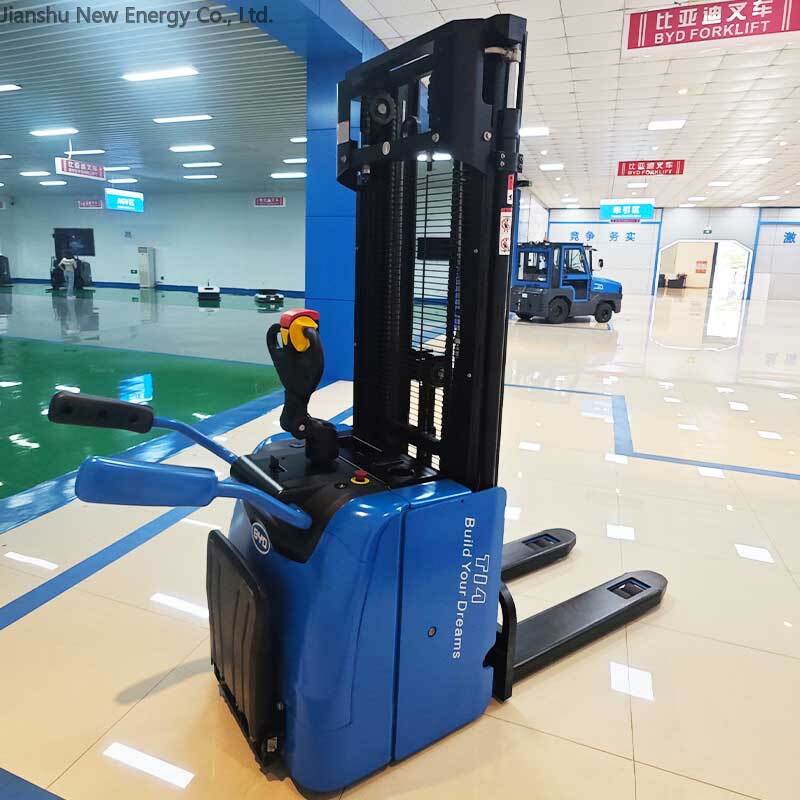
For many industrial and logistics sites that run forklift operations around the clock, downtime caused by battery charging has long been a core pain point that affects overall operation efficiency. Traditional fixed battery powered forklifts usually need to be parked for several hours for full charging once the power runs low, which means operation teams have to arrange extra standby forklifts or stagger work shifts to avoid supply chain delays, raising extra capital input and management cost in the long run. The battery swapping mechanism solves this pain point in a very practical way. The whole battery swapping process can be finished in only a few minutes, no complex operation skill is required for on-site operators to finish the replacement, and the forklift can get full power back immediately and put into operation again, no need to arrange long charging breaks at all. This model is highly suitable for high-intensity operation scenarios such as large logistics distribution centers, manufacturing factories with nonstop assembly lines, and port cargo handling areas where forklifts need to run 24 hours a day. Apart from eliminating long charging downtime, battery swapping also helps standardize the daily maintenance of forklift batteries. Operators can uniformly arrange professional staff to conduct regular inspection, maintenance and charging management on the removed batteries in the dedicated safe charging area, which effectively prolongs the service life of the batteries and reduces potential safety risks caused by irregular charging operations on site. For enterprises that are ready to deploy this operation model, you can turn to professional service providers for customized solution design, Jianshu New Energy can provide targeted overall planning for battery swapping system matching for different scale of forklift fleets, and you can send your detailed demand to 17399989919@163.com for further consultation. BYD Forklift also supplies high-quality compatible products that perfectly match the battery swapping operation mode, to help enterprises smoothly complete the transition to efficient continuous forklift operations. Compared with the traditional fixed charging mode, battery swapping does not require extra investment on large numbers of built-in charging piles on the operation site, it also reduces the requirement for on-site power transformation capacity, which greatly cuts the upfront investment threshold for enterprises to upgrade their electric forklift fleets. The whole operation process can be seamlessly connected to the existing work shift arrangement of the enterprise, no large adjustment of the original operation flow is needed, which brings very high practical value for most of the sites that have continuous forklift operation demands.


