
 English
 繁体中文
繁体中文 简体中文
简体中文 Deutsch
 日本語
日本語 한국어
한국어 Tiếng Việt
 Русский
 ไทย
ไทย Bahasa Indonesia
 Bahasa Melayu
 Filipino
 Français
Electric forklifts operating in tropical, high-humidity environments face unique challenges. Moisture, salt air, and temperature fluctuations can degrade cable insulation and compromise connector integrity, leading to downtime and safety hazards. To ensure reliable performance, proper protection of cables and connectors is essential.
First, choose connectors with an appropriate Ingress Protection (IP) rating. For tropical outdoor or semi-outdoor use, IP65 or higher is recommended, providing dust-tightness and protection against low-pressure water jets. Sealed connectors prevent moisture ingress that can cause short circuits and corrosion.
Second, select cable materials resistant to humidity and UV exposure. Cross-linked polyethylene (XLPE) or polyurethane (PUR) sheathing offers excellent flexibility and resistance to cracking in humid heat. Avoid PVC jacketing in high-moisture zones as it can become brittle and absorb water over time.
Third, implement proper cable routing and strain relief. Ensure cables are not laid in areas where water can pool, and use drip loops to divert moisture away from connectors. Grommets or cable glands with O-rings provide sealed entry points into the forklift’s electrical enclosure.
Fourth, conduct regular visual inspections. Check for cracked seals, corroded pins, or discolored insulation. Clean connectors with a dry, lint-free cloth and apply dielectric grease to metallic contacts to repel moisture. Replace any damaged components immediately.
Finally, consider protective covers or enclosures for high-value connectors exposed to direct rain. Heat-shrink tubing with adhesive lining can seal cable branches and terminations against vapor intrusion.
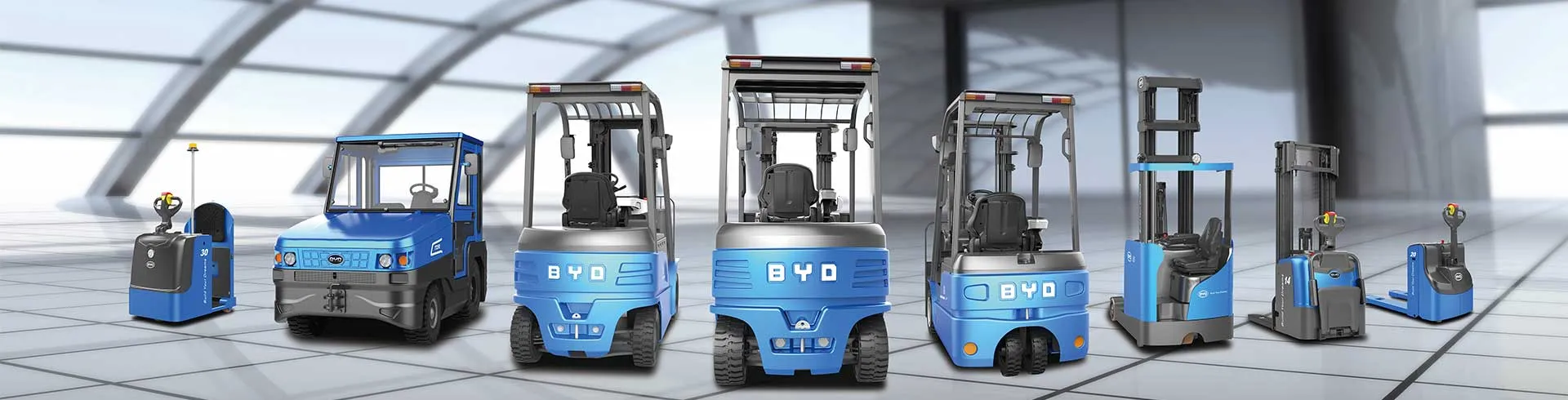
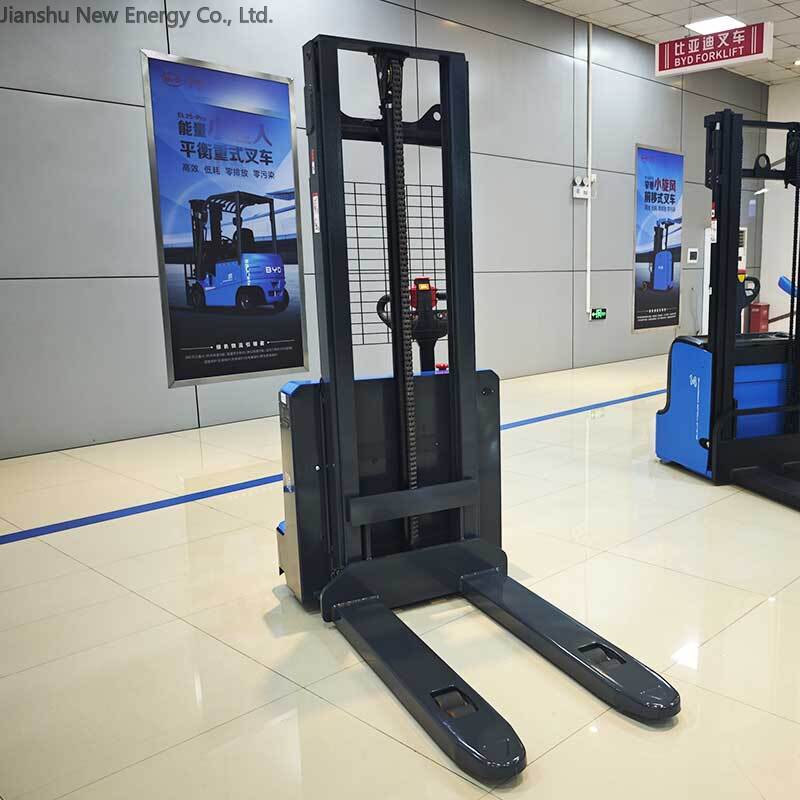
At Jianshu New Energy, we integrate these protection principles into our electric forklift designs. BYD Forklift also offers models engineered for demanding tropical conditions, with robust cable management and sealed connector systems. For technical guidance on upgrading your fleet for high-humidity sites, contact us at 17399989919@163.com.


