
 English
 繁体中文
繁体中文 简体中文
简体中文 Deutsch
 日本語
日本語 한국어
한국어 Tiếng Việt
 Русский
 ไทย
ไทย Bahasa Indonesia
 Bahasa Melayu
 Filipino
 Français
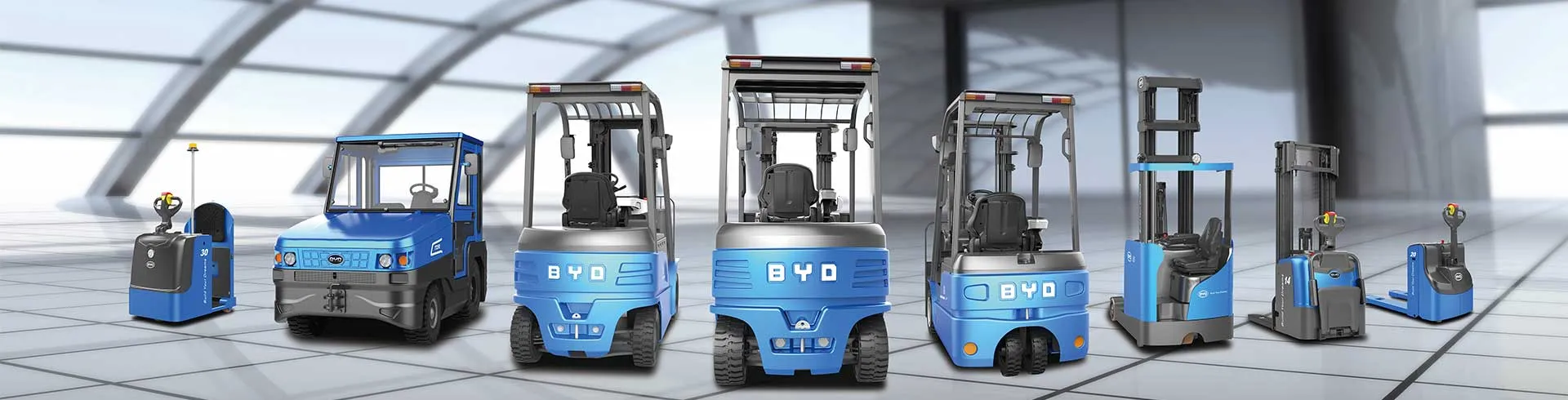
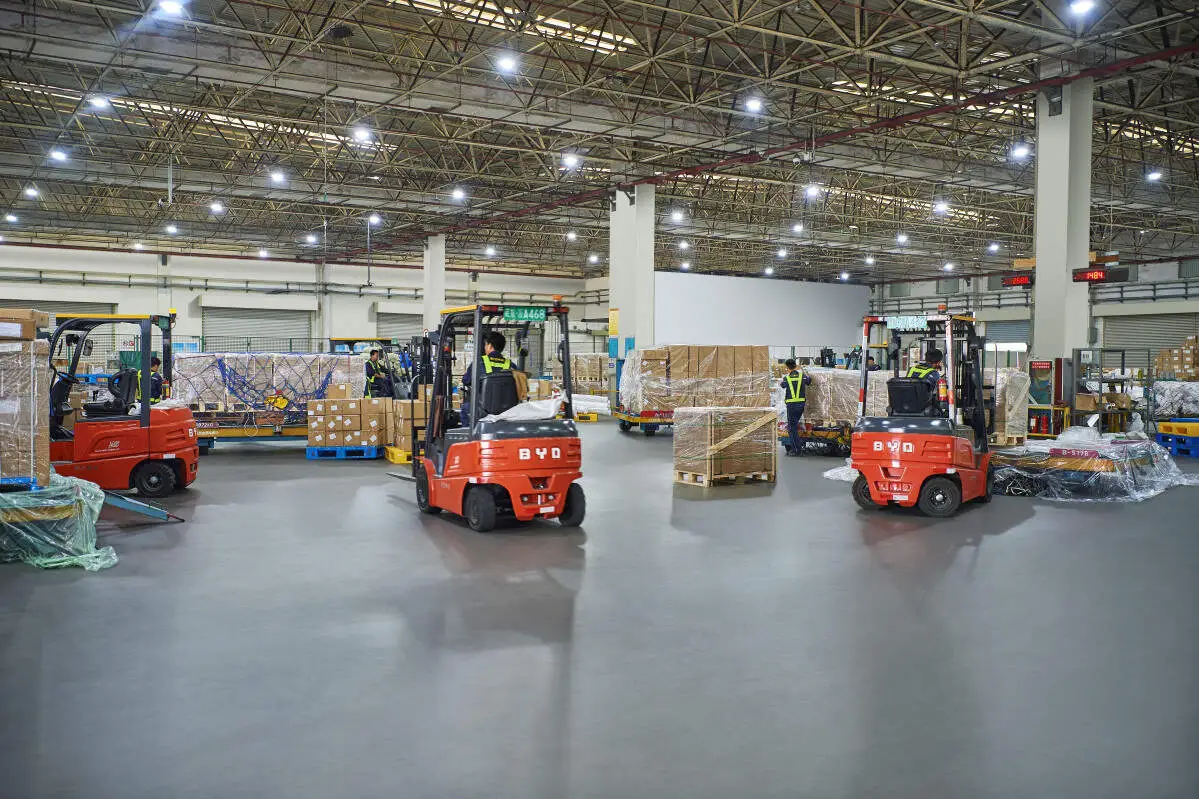
Electric forklifts operating in tropical climates face unique challenges due to persistent high temperatures and elevated humidity. These environmental factors can significantly shorten battery cycle life if not properly managed. Understanding the mechanisms behind this degradation helps operators make informed decisions to protect their investment.
Heat accelerates chemical reactions inside both lead‑acid and lithium‑ion batteries. In lead‑acid units, high temperatures increase the rate of water loss and sulfation, reducing capacity over time. For lithium‑ion batteries, excessive heat speeds up electrolyte decomposition and promotes internal resistance growth, leading to faster capacity fade. Humidity adds another layer of risk: moisture can condense on battery terminals and connectors, causing corrosion and electrical leakage. Combined, heat and humidity also raise the likelihood of thermal runaway in lithium‑ion systems, especially during rapid charging.
To mitigate these effects, proper thermal management is essential. Installing ventilation systems in charging areas and allowing batteries to cool before recharging can lower temperature peaks. Using smart chargers that adjust current based on battery temperature further reduces stress. Regular maintenance—cleaning terminals, checking electrolyte levels in flooded lead‑acid batteries, and monitoring internal resistance—helps detect early signs of degradation.
For tropical operations, selecting batteries designed for higher ambient temperatures is advisable. Some manufacturers offer enhanced sealing and corrosion‑resistant components. Additionally, adjusting charging schedules to cooler parts of the day and avoiding full discharges prolong cycle life.
Jianshu New Energy, in partnership with BYD Forklift, provides comprehensive solutions tailored for humid, hot environments. Their integrated approach includes battery selection, charging infrastructure, and operator training to optimize longevity. For inquiries, contact 17399989919@163.com. In summary, proactive management of heat and humidity is key to maintaining battery performance and extending the service life of electric forklifts in tropical climates.


