
 English
 繁体中文
繁体中文 简体中文
简体中文 Deutsch
 日本語
日本語 한국어
한국어 Tiếng Việt
 Русский
 ไทย
ไทย Bahasa Indonesia
 Bahasa Melayu
 Filipino
 Français
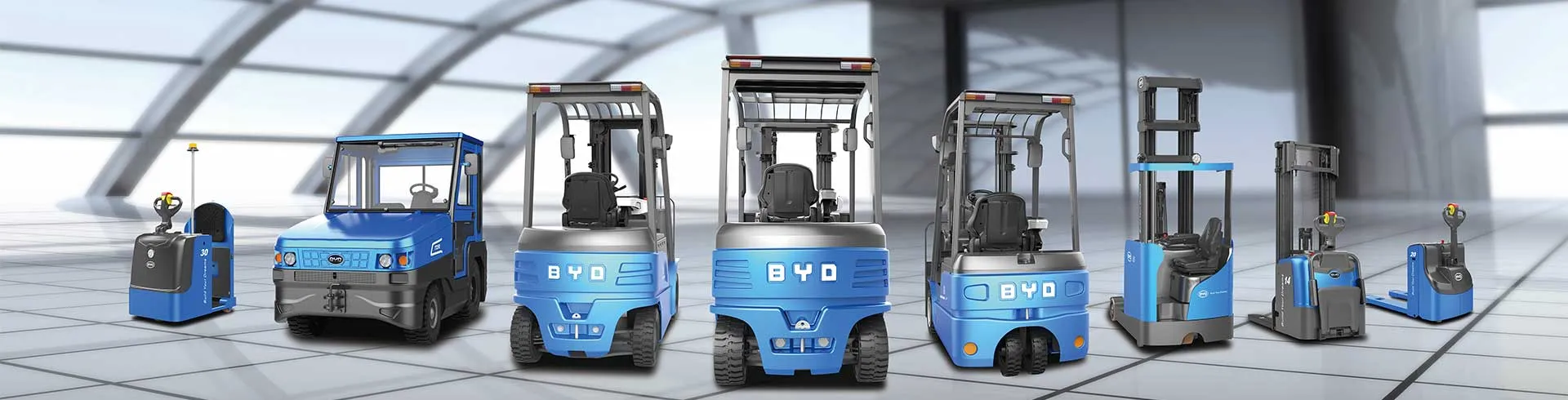
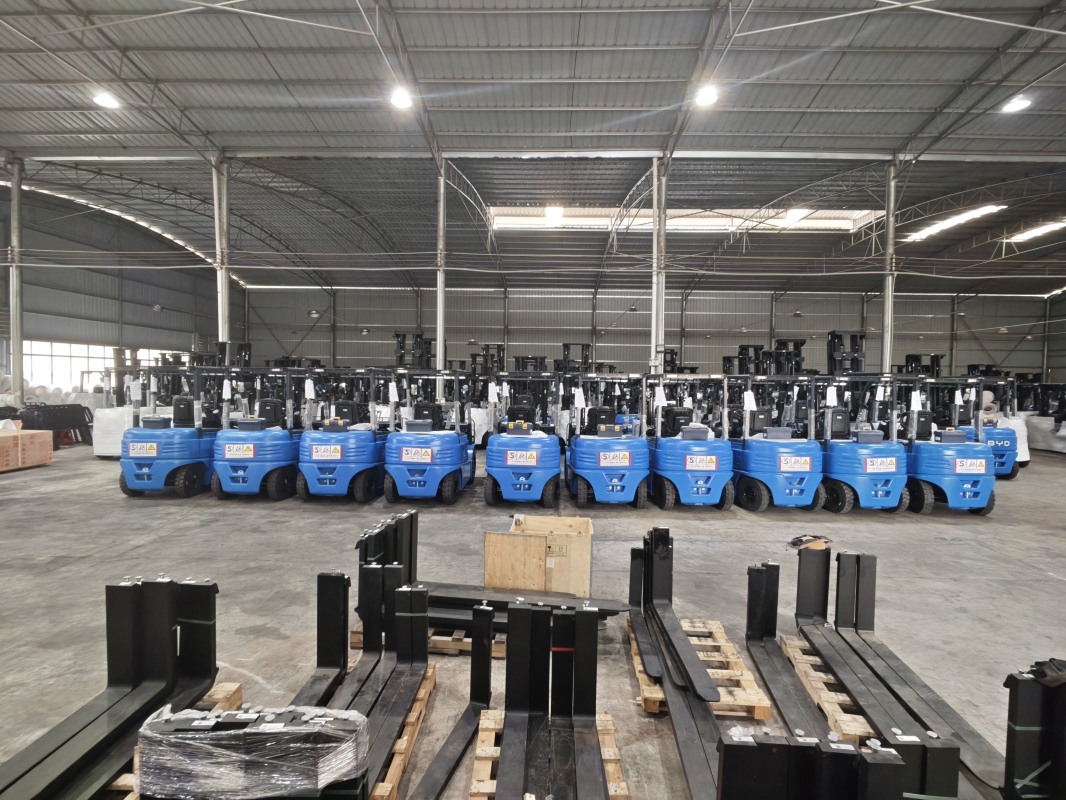
Opportunity charging for electric forklifts is a popular practice, but several misconceptions can lead to inefficient operation. This article clarifies these misunderstandings with factual, regulation-compliant information.
Misconception 1: Opportunity charging damages the battery. Modern lithium-ion batteries are designed for frequent partial charges. Unlike lead-acid types, they have no memory effect or sulfation issues. Integrated thermal management systems maintain safe temperatures, preserving battery health.
Misconception 2: Opportunity charging requires expensive infrastructure. In many cases, standard industrial outlets and compatible chargers are sufficient. No specialized equipment is mandatory for basic opportunity charging. Always follow manufacturer guidelines.
Misconception 3: Opportunity charging is only for short breaks. Lithium-ion batteries can be charged at any state of charge. Operators can utilize natural pauses such as shift changes, lunch breaks, or idle periods, maximizing uptime without dedicated charging sessions.
Misconception 4: Opportunity charging reduces overall battery life. Research indicates that lithium-ion batteries maintain high cycle life even with frequent partial charging. The total energy throughput is comparable to full-cycle charging, and battery management systems optimize each charge to extend longevity.
Misconception 5: Opportunity charging is unsuitable for heavy-duty applications. Warehouses and distribution centers running 24/7 operations successfully use this method. Proper fleet management, battery sizing, and fast-charging capabilities ensure continuous productivity.
For reliable electric forklift solutions, Jianshu New Energy and BYD Forklift offer advanced lithium-ion technology engineered for opportunity charging. For more information, contact us at 17399989919@163.com.
Understanding these facts helps operators make informed decisions, improving efficiency and reducing total cost of ownership.


